When is Tholi Ekadashi 2026 Celebrated?
Tholi Ekadashi 2026 (also known as Devshayani Ekadashi, Ashadhi Ekadashi, Hari Shayani Ekadashi, and Padma Ekadashi) will be celebrated on:
 Saturday, 25 July 2026
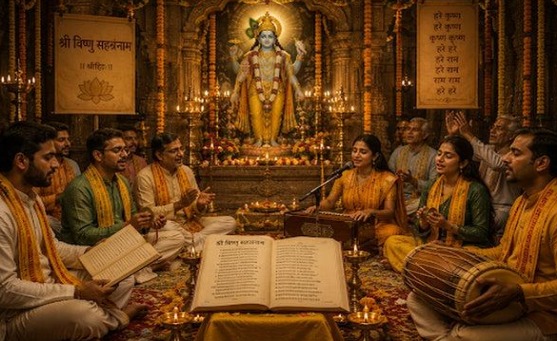
This sacred Ekadashi falls on the Shukla Paksha Ekadashi of the Ashadha month. It marks the beginning of Chaturmas, the four-month period during which Lord Vishnu is believed to enter Yoga Nidra (divine sleep). Devotees observe a fast, worship Lord Vishnu, chant the Vishnu Sahasranama, and visit temples seeking prosperity, peace, and spiritual growth.
For Tirupati/Andhra Pradesh, the important timings are:
- Ekadashi Date: Saturday, 25 July 2026
- Ekadashi Tithi Begins: 24 July 2026 at 9:12 AM
- Ekadashi Tithi Ends: 25 July 2026 at 11:34 AM
- Parana (Fast Breaking): 26 July 2026, 5:56 AM – 8:29 AM

1. What is Tholi Ekadashi?
Introduction to Tholi Ekadashi
Tholi Ekadashi is one of the most sacred festivals dedicated to Lord Vishnu and is observed on the Shukla Paksha Ekadashi of the Ashadha month in the Hindu lunar calendar. It marks the beginning of the holy Chaturmas period, during which devotees dedicate themselves to spiritual practices, fasting, and devotion. On this auspicious day, thousands of devotees visit Vishnu temples, perform special pujas, chant Vishnu Sahasranama, and observe Ekadashi Vrat to seek divine blessings. In the Telugu states, Tholi Ekadashi is celebrated with immense faith and enthusiasm. At VedaGayathri, we provide authentic guidance on the significance, rituals, and traditions of Tholi Ekadashi to help devotees celebrate this sacred occasion correctly.
Why is it Called Tholi Ekadashi?
The word “Tholi” means “first” in Telugu, while “Ekadashi” refers to the eleventh lunar day of the fortnight. This festival is called Tholi Ekadashi because it is regarded as the first major and most significant Ekadashi after the beginning of the sacred Chaturmas period. It symbolizes a fresh spiritual beginning and encourages devotees to practice self-discipline, fasting, charity, and devotion to Lord Vishnu. This Ekadashi is believed to offer immense spiritual merit and is considered highly auspicious for beginning religious observances.
Other Names of Tholi Ekadashi
Tholi Ekadashi is known by several names across India, including Devshayani Ekadashi, Shayani Ekadashi, Ashadhi Ekadashi, Maha Ekadashi, and Padma Ekadashi. Although the names vary according to regional traditions, they all refer to the same sacred Ekadashi that marks Lord Vishnu’s divine Yoga Nidra and the beginning of Chaturmas. These different names reflect the rich cultural diversity of Hindu traditions while preserving the same spiritual essence and religious significance.
Historical Background
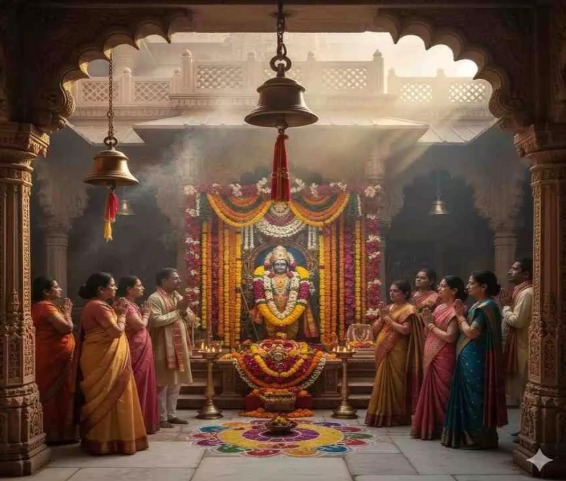
The history of Tholi Ekadashi is deeply rooted in ancient Hindu scriptures such as the Padma Purana, Skanda Purana, and Bhavishya Purana, where the greatness of Ekadashi fasting and Lord Vishnu’s divine sleep is described in detail. Since ancient times, sages, saints, and kings have encouraged devotees to observe this vrat as a means of attaining spiritual purity, prosperity, and liberation. Over centuries, the festival has become one of the most revered Vishnu festivals celebrated across India with unwavering devotion.
Importance in Hinduism
Tholi Ekadashi holds immense importance in Hinduism because it combines devotion, fasting, self-discipline, and charity into a single sacred observance. It is believed that observing this Ekadashi with sincere faith removes sins, grants peace of mind, and brings devotees closer to Lord Vishnu. As the beginning of Chaturmas, it also marks a period dedicated to spiritual growth and religious practices. VedaGayathri encourages devotees to understand not only the rituals but also the deeper spiritual meaning behind this auspicious festival.
2. Tholi Ekadashi 2026 Tithi, and Muhurat
Ekadashi Tithi Start & End Time
The Ekadashi Tithi begins and ends according to the lunar calculations mentioned in the Hindu Panchang rather than the conventional calendar day. Devotees observe the fast only when the Ekadashi Tithi is present during sunrise, making the exact beginning and ending time extremely important. Checking the correct Tithi ensures that the vrat is observed according to scriptural traditions and yields maximum spiritual benefits.
Sunrise and Sunset Timings
Sunrise and sunset timings play an essential role in determining the observance of Tholi Ekadashi, as many rituals, sankalpa, and puja procedures are performed during specific periods of the day. These timings also help calculate Parana and other auspicious activities. Since sunrise varies by location, devotees should always refer to their local Panchang for accurate timings.
Parana (Fast Breaking) Time
Parana is the sacred ritual of breaking the Ekadashi fast on the following Dwadashi Tithi during the prescribed time. According to Hindu scriptures, completing the vrat by observing the correct Parana Muhurat is as important as the fasting itself. Breaking the fast at the appropriate time ensures that the spiritual merits of the Ekadashi Vrat are fully attained.
Auspicious Muhurat
Apart from fasting, many devotees perform Vishnu Puja, Tulasi Archana, charity, and mantra chanting during auspicious Muhurats on Tholi Ekadashi. Performing these rituals during favorable timings is believed to enhance their spiritual effectiveness and invite divine blessings. Panchang-based Muhurats help devotees organize their worship according to Vedic traditions.
Panchang Details
The Panchang provides essential information such as Tithi, Vara, Nakshatra, Yoga, Karana, Rahu Kalam, Yamagandam, and Abhijit Muhurat, which guide devotees in performing religious rituals correctly. Understanding these details allows devotees to observe Tholi Ekadashi in accordance with Vedic principles. VedaGayathri presents these Panchang details in a simple and easy-to-understand format every year.

3. Spiritual Significance and Importance of Tholi Ekadashi
Why Tholi Ekadashi is Sacred
Tholi Ekadashi is considered one of the holiest Ekadashis because it marks the beginning of Chaturmas, a four-month period dedicated to devotion, self-discipline, and spiritual growth. According to Hindu beliefs, observing this sacred day with fasting, prayers, and worship of Lord Vishnu helps devotees cleanse their minds, overcome negative karma, and strengthen their connection with the Divine. It is regarded as an ideal opportunity to seek peace, prosperity, and spiritual upliftment. VedaGayathri encourages devotees to understand the deeper spiritual meaning behind this auspicious observance rather than viewing it merely as a ritual.
Connection with Lord Vishnu
Tholi Ekadashi is deeply connected with Lord Vishnu, the preserver of the universe and protector of righteousness. Hindu scriptures state that on this day, Lord Vishnu enters Yoga Nidra, a divine cosmic sleep, in the Ksheera Sagara (Ocean of Milk), while continuing to sustain the universe through His divine energy. Devotees worship Lord Vishnu with Tulasi leaves, flowers, sacred chants, and Vishnu Sahasranama to receive His blessings for health, happiness, prosperity, and liberation. This sacred connection makes Tholi Ekadashi one of the most important festivals for Vaishnavas across India.
Beginning of Chaturmas
One of the greatest spiritual significances of Tholi Ekadashi is that it marks the beginning of Chaturmas, the four sacred months observed by saints, monks, and devotees for intense spiritual practices. During this period, many people undertake special vratas, increase their daily prayers, study holy scriptures, perform acts of charity, and avoid unnecessary worldly pleasures. Chaturmas is considered highly auspicious for personal transformation, making Tholi Ekadashi the perfect day to begin a disciplined spiritual journey dedicated to Lord Vishnu.
Importance in Scriptures
The significance of Tholi Ekadashi is beautifully described in sacred Hindu scriptures such as the Padma Purana, Skanda Purana, Bhavishya Purana, and Brahma Vaivarta Purana. These texts explain that observing the Ekadashi fast with sincerity pleases Lord Vishnu and helps devotees attain spiritual purification, remove accumulated sins, and progress toward moksha. The scriptures also emphasize the importance of chanting Vishnu’s names, reading sacred texts, and practicing charity on this day to maximize the spiritual benefits of the vrat.
Spiritual Benefits
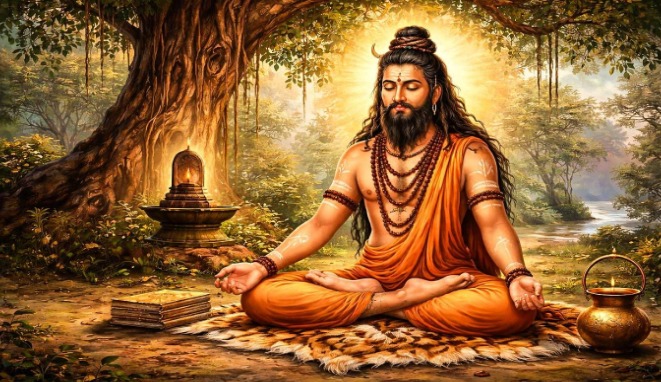
Observing Tholi Ekadashi is believed to offer numerous spiritual benefits, including inner peace, mental clarity, self-control, and stronger devotion to Lord Vishnu. Fasting helps devotees control their senses, while prayer and meditation encourage positive thinking and emotional balance. It is also believed that sincere observance of this vrat reduces the effects of past karmas and inspires devotees to live a life based on truth, compassion, humility, and righteousness. At VedaGayathri, we believe that the true essence of Tholi Ekadashi lies in cultivating devotion, discipline, and a pure heart.
Importance in Telugu States
Tholi Ekadashi is celebrated with exceptional devotion throughout Andhra Pradesh and Telangana, where it is regarded as one of the most important Vishnu festivals of the year. Temples dedicated to Lord Venkateswara, Sri Lakshmi Narayana, and other forms of Lord Vishnu organize special abhishekams, alankarams, bhajans, Vishnu Sahasranama Parayanam, and Annadanam for devotees. Families also observe fasting together, decorate their homes, and participate in temple celebrations, reflecting the rich spiritual and cultural heritage of the Telugu community. VedaGayathri proudly shares authentic Telugu traditions and Vedic practices to help devotees celebrate this sacred festival with devotion and understanding.
4. Tholi Ekadashi Vrat Vidhanam (Fasting Rules and Rituals)
Who Should Observe the Fast?
Tholi Ekadashi Vrat can be observed by anyone who wishes to seek the blessings of Lord Vishnu, irrespective of age or gender, provided they are physically capable of fasting. Many devotees observe the vrat for spiritual growth, family well-being, prosperity, and inner peace. Elderly people, pregnant women, children, or individuals with medical conditions may modify the fast according to their health while maintaining devotion through prayers and chanting. The sincerity of one’s faith is considered more important than the strictness of the fasting practice.
Preparations Before the Fast
Preparing for Tholi Ekadashi begins a day before the vrat by cleaning the home, especially the puja room, and maintaining a peaceful and positive environment. Devotees usually consume a simple, sattvic meal on Dashami, avoiding onion, garlic, grains, and tamasic foods. They also collect the required puja materials, make a sankalpa (sacred vow), and mentally prepare for a day of fasting, prayer, and devotion. These preparations help devotees observe the vrat with focus and purity.
Types of Ekadashi Fasting
There are different ways to observe the Tholi Ekadashi fast depending on one’s health, tradition, and spiritual commitment. Some devotees observe Nirjala Vrat by abstaining from both food and water, while others follow a Phalahara Vrat by consuming fruits, milk, and water. Many choose a partial fast by eating only Ekadashi-approved foods without grains and legumes. Regardless of the method followed, the primary objective is to control the senses, remain devoted to Lord Vishnu, and spend the day in spiritual activities.
Foods Allowed During Vrat
During Tholi Ekadashi, devotees consume only sattvic foods that are considered suitable for fasting. Fruits, milk, curd, coconut water, dry fruits, makhana (fox nuts), sabudana, rock salt, potatoes, sweet potatoes, bananas, and other vrat-friendly foods are commonly eaten. These foods provide energy while maintaining the purity of the fast. Drinking sufficient water and consuming light, nutritious foods helps devotees continue their spiritual practices comfortably throughout the day.
Foods to Avoid
Certain foods are traditionally prohibited during Tholi Ekadashi because they are believed to reduce the spiritual benefits of the vrat. Devotees avoid rice, wheat, lentils, pulses, beans, maize, and other grains, along with onion, garlic, meat, eggs, alcohol, tobacco, and processed foods. Many also avoid excessive spices and fried foods to maintain physical and mental purity. Following these dietary restrictions symbolizes self-discipline and complete dedication to Lord Vishnu.
Rules to Follow
Observing Tholi Ekadashi involves more than fasting; it includes following a disciplined and spiritually focused lifestyle throughout the day. Devotees wake up early, take a holy bath, perform Vishnu Puja, chant Vishnu Sahasranama, visit temples, read sacred scriptures, practice charity, and maintain purity in thought, speech, and action. Avoiding anger, gossip, dishonesty, and negative behavior is equally important, as the vrat emphasizes both physical and mental purification.
Breaking the Fast (Parana)
The Tholi Ekadashi fast is completed by performing Parana on the following Dwadashi Tithi during the prescribed time mentioned in the Panchang. Before breaking the fast, devotees offer prayers to Lord Vishnu, express gratitude for completing the vrat, and seek His continued blessings. The fast is usually broken with sattvic food after offering naivedyam to the deity. Observing Parana at the correct time is considered an essential part of the Ekadashi Vrat, ensuring that the devotee receives the full spiritual merit of the observance.
5. Complete Tholi Ekadashi Puja Procedure at Home
Puja Samagri (Required Items)
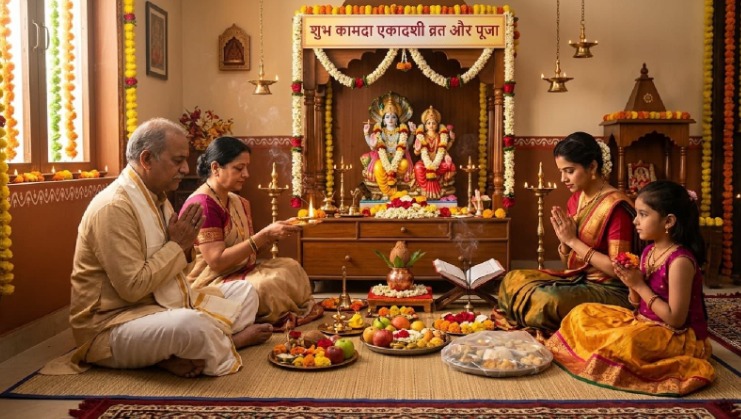
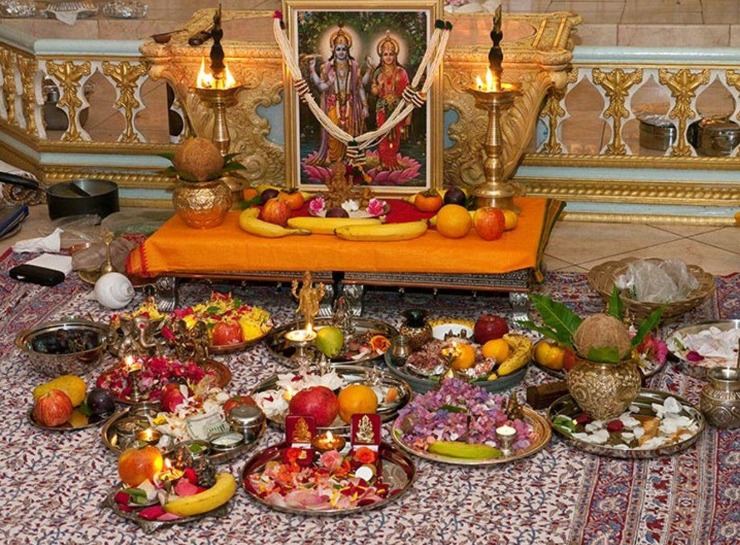
Before beginning the Tholi Ekadashi Puja, devotees should arrange all the necessary puja materials to ensure the worship is performed without interruption. The essential items include an idol or image of Lord Vishnu, Tulasi leaves, fresh flowers, sandalwood paste, turmeric, kumkum, incense sticks, camphor, ghee lamp, fruits, coconut, betel leaves, betel nuts, Panchamrit, holy water, rice (Akshata), naivedyam, and a copy of Vishnu Sahasranama or Bhagavad Gita. Having all the puja samagri ready allows devotees to perform the rituals with devotion and concentration. VedaGayathri recommends using fresh and clean offerings as a symbol of purity and reverence.
Home Preparation
Preparing the home is an important part of the Tholi Ekadashi observance, as cleanliness and purity are considered essential for inviting divine blessings. Devotees clean the house, especially the puja room, decorate the entrance with rangoli or muggu, light lamps, and create a peaceful atmosphere for worship. Many families also decorate the altar with flowers and place Lord Vishnu’s idol on a clean, elevated platform. A spiritually positive environment helps devotees perform the puja with greater focus, devotion, and gratitude.
Step-by-Step Puja Vidhi
The Tholi Ekadashi Puja begins with an early morning bath followed by wearing clean or traditional clothes. Devotees take a sankalpa (sacred vow) to observe the vrat, invoke Lord Ganesha for the removal of obstacles, and then worship Lord Vishnu by offering flowers, Tulasi leaves, sandalwood paste, incense, lamps, and naivedyam. Chanting Vishnu Sahasranama, reciting Vishnu Ashtottara Shatanamavali, reading the Bhagavad Gita, and singing devotional bhajans are considered highly auspicious. The puja concludes with Aarti, prayers for family well-being, and seeking Lord Vishnu’s blessings for peace, prosperity, and spiritual progress.
Vishnu Abhishekam
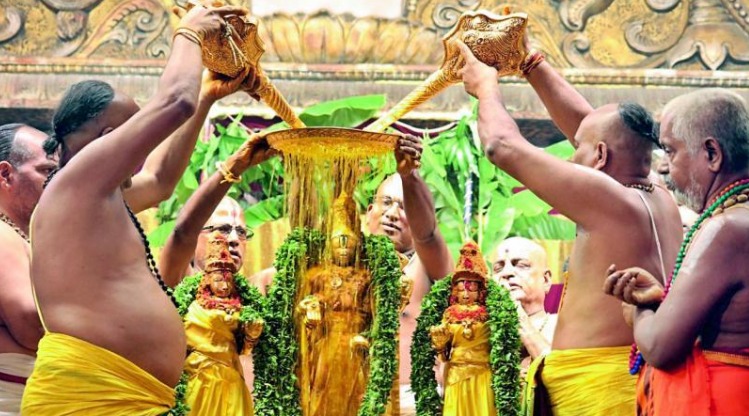
Performing Abhishekam to Lord Vishnu is regarded as one of the most sacred rituals on Tholi Ekadashi. Devotees ceremonially bathe the idol with Panchamrit, which consists of milk, curd, honey, ghee, and sugar, followed by clean water while chanting Vishnu mantras. The Abhishekam symbolizes purification, devotion, and complete surrender to the Lord. Many temples also conduct elaborate Sahasra Kalasha Abhishekams on this day, attracting thousands of devotees seeking divine blessings and spiritual merit.
Tulasi Puja
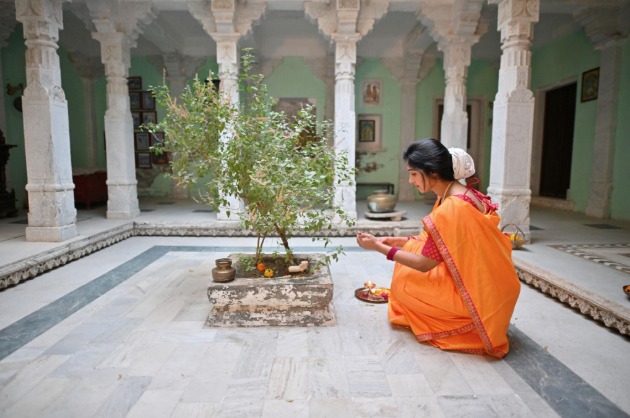
Tulasi Devi is considered extremely dear to Lord Vishnu, making Tulasi Puja an integral part of Tholi Ekadashi worship. Devotees offer fresh Tulasi leaves at the lotus feet of Lord Vishnu while chanting His divine names and praying for health, prosperity, and spiritual growth. According to Hindu scriptures, no Vishnu Puja is considered complete without Tulasi offerings. Worshipping Tulasi on this auspicious day is believed to remove obstacles, purify the mind, and bring immense spiritual blessings to the devotee and their family.
Naivedyam Offerings
Offering Naivedyam is an important expression of gratitude and devotion during the Tholi Ekadashi Puja. Since grains are generally avoided on Ekadashi, devotees prepare sattvic offerings such as fruits, milk, dry fruits, coconut, rock sugar, jaggery, and vrat-friendly dishes. After offering the food to Lord Vishnu with sincere prayers, it is distributed as prasadam among family members and devotees. The offering symbolizes surrendering one’s efforts and expressing gratitude for the Lord’s divine grace and protection.
Aarti Procedure
The Aarti marks the conclusion of the Tholi Ekadashi Puja and is performed by waving a lit camphor or ghee lamp before Lord Vishnu while singing devotional hymns and bhajans. Family members participate together, offering prayers for peace, prosperity, good health, and spiritual progress. The divine light of the Aarti represents the removal of ignorance and the illumination of wisdom and devotion. Receiving the Aarti and applying the sacred prasadam is believed to bring divine blessings into one’s life.
Donations (Dana) on Tholi Ekadashi
Charity, or Dana, is considered one of the most meritorious acts on Tholi Ekadashi and is highly recommended in Hindu scriptures. Devotees donate food, clothes, fruits, umbrellas, footwear, sacred books, or money to the needy, temples, or charitable organizations according to their capacity. Annadanam (offering food) is especially regarded as one of the highest forms of charity on this day. Performing acts of kindness and generosity with humility enhances the spiritual benefits of the vrat and reflects the teachings of compassion and selflessness promoted by Sanatana Dharma.
6. Tholi Ekadashi Vrat Katha and Mythological Story
Origin of Ekadashi
The origin of Ekadashi is beautifully described in the Padma Purana, where Lord Vishnu created Goddess Ekadashi from His divine energy to destroy the powerful demon Mura, who had become a threat to the gods and the universe. Impressed by her courage and devotion, Lord Vishnu granted that anyone who observes the Ekadashi Vrat with sincerity would receive His blessings, be freed from sins, and progress toward spiritual liberation. Since then, every Ekadashi has been regarded as a sacred opportunity for self-purification and devotion.
Story of Lord Vishnu
According to Hindu tradition, Tholi Ekadashi marks the day when Lord Vishnu enters Yoga Nidra, His divine cosmic sleep, in the Ocean of Milk after maintaining balance and protecting the universe. During these four months of Chaturmas, devotees intensify their prayers, spiritual practices, and charitable activities while awaiting the Lord’s awakening on Prabodhini Ekadashi. This symbolic event reminds devotees that divine grace continues to guide and protect the universe even during periods of apparent stillness.
Significance of Yoga Nidra
Yoga Nidra is not ordinary sleep but a profound state of divine consciousness in which Lord Vishnu remains fully aware while resting. It symbolizes cosmic balance, preservation, and the continuous cycle of creation, sustenance, and renewal. For devotees, Yoga Nidra teaches the importance of inner peace, meditation, patience, and surrender to the Divine. The beginning of this sacred period on Tholi Ekadashi encourages everyone to reduce worldly distractions and focus on spiritual development.
Story from the Puranas
Several Puranas describe the greatness of Tholi Ekadashi and emphasize that observing this vrat with faith can remove accumulated sins, bring prosperity, and grant the blessings of Lord Vishnu. Stories of devoted kings, sages, and ordinary devotees demonstrate how sincere fasting, worship, charity, and chanting of the Lord’s names transformed their lives. These narratives highlight the timeless values of faith, devotion, compassion, and righteous living that continue to inspire millions of devotees today.
Lessons from the Vrat Katha
The Tholi Ekadashi Vrat Katha teaches that true devotion goes beyond rituals and lies in cultivating purity of heart, self-control, compassion, humility, and unwavering faith in God. The stories associated with this sacred day remind devotees that sincere prayers, disciplined living, charity, and righteous actions always lead to spiritual progress and divine grace. At VedaGayathri, we encourage devotees to understand these valuable life lessons so that the observance of Tholi Ekadashi becomes not only a religious tradition but also a path toward inner transformation and lasting spiritual fulfillment.
7. Benefits of Observing Tholi Ekadashi and Lord Vishnu Worship
Spiritual Benefits
Observing Tholi Ekadashi with sincere devotion is believed to bring immense spiritual benefits by purifying the mind, body, and soul. Hindu scriptures state that fasting, chanting Lord Vishnu’s divine names, reading sacred texts, and performing selfless acts on this auspicious day help reduce the effects of past karmas and strengthen one’s connection with the Supreme Being. The vrat also encourages devotees to practice discipline, humility, compassion, and devotion, leading them toward inner peace and spiritual growth. At VedaGayathri, we emphasize that the true benefit of Tholi Ekadashi lies in sincere faith and righteous living rather than merely following rituals.
Health Benefits of Fasting
Apart from its spiritual significance, fasting on Tholi Ekadashi offers several health benefits when observed wisely and according to one’s physical condition. Consuming light, sattvic foods such as fruits, milk, dry fruits, and vrat-friendly meals allows the digestive system to rest and may support detoxification and mindful eating. Fasting also promotes self-control, helps reduce unnecessary food cravings, and encourages a balanced lifestyle. However, elderly individuals, pregnant women, children, and those with medical conditions should consult a healthcare professional before observing a strict fast and may adapt the vrat according to their health needs.
Mental and Emotional Benefits
Tholi Ekadashi provides an opportunity to slow down from daily routines and focus on prayer, meditation, and self-reflection. Chanting Vishnu mantras, listening to devotional music, and reading sacred scriptures create a peaceful atmosphere that helps reduce stress, improve concentration, and promote emotional stability. Spending the day with positive thoughts and spiritual practices fosters gratitude, patience, and mental clarity. The observance encourages devotees to cultivate inner strength and maintain a calm and balanced outlook in everyday life.
Family Prosperity and Well-being
Many families observe Tholi Ekadashi together, praying for harmony, good health, financial stability, and overall well-being. Worshipping Lord Vishnu as a family strengthens relationships, preserves cultural traditions, and creates an atmosphere of unity and devotion within the household. It is believed that sincere prayers, charity, and righteous living on this sacred day invite divine blessings that contribute to peace and prosperity for the entire family. Parents also use this occasion to teach younger generations the importance of faith, values, and compassion.
Importance of Chanting Vishnu Mantras
Chanting the sacred names and mantras of Lord Vishnu is considered one of the most powerful spiritual practices on Tholi Ekadashi. Devotees recite mantras such as “Om Namo Narayanaya” and “Om Namo Bhagavate Vasudevaya” to invoke the Lord’s blessings and cultivate devotion. Repeating these mantras with concentration is believed to purify the mind, remove negative thoughts, increase inner confidence, and bring spiritual peace. Continuous remembrance of Lord Vishnu through mantra chanting helps devotees remain connected to divine consciousness throughout the day.
Recommended Stotras and Slokas
Reciting sacred stotras and slokas dedicated to Lord Vishnu enhances the spiritual significance of Tholi Ekadashi. Devotees commonly chant Vishnu Sahasranama, Sri Venkateswara Suprabhatam, Vishnu Ashtottara Shatanamavali, Narayana Kavacham, and selected chapters of the Bhagavad Gita. These sacred hymns glorify Lord Vishnu’s divine qualities and inspire devotion, wisdom, and righteousness. VedaGayathri encourages devotees to include these timeless prayers in their Ekadashi worship to deepen their spiritual experience and receive the Lord’s divine grace.
8. Frequently Asked Questions (FAQs) About Tholi Ekadashi 2026
Can everyone observe Tholi Ekadashi Vrat?
Yes, Tholi Ekadashi Vrat can be observed by anyone who wishes to worship Lord Vishnu and seek His blessings. While healthy adults often observe a complete fast, elderly people, children, pregnant women, nursing mothers, and individuals with medical conditions may follow a modified fast or focus on prayers, mantra chanting, and sattvic food according to their abilities. Hindu scriptures emphasize that devotion and sincerity are more important than the strictness of the fast, making the observance accessible to all devotees.
Can we drink water or milk during the fast?
Yes, many devotees consume water, milk, fruits, coconut water, and other permitted vrat foods while observing Tholi Ekadashi. Some choose a Nirjala Vrat, which involves abstaining from both food and water, but this is considered a more rigorous practice and should only be undertaken by those who are physically capable. Most devotees follow a Phalahara or partial fast that allows light sattvic foods while maintaining the spiritual discipline of the vrat.
What if I miss the fast?
If you are unable to observe the Tholi Ekadashi fast due to health, travel, work, or other unavoidable circumstances, you can still participate spiritually by worshipping Lord Vishnu, chanting His names, reading the Bhagavad Gita, visiting a temple, or performing acts of charity. Hindu tradition teaches that sincere devotion and good intentions are highly valued by the Lord. Missing the fast occasionally does not diminish one’s faith, and devotees can continue observing future Ekadashis with renewed dedication.
Which mantra should I chant?
The most commonly recommended mantra for Tholi Ekadashi is “Om Namo Narayanaya,” one of the most sacred mantras dedicated to Lord Vishnu. Devotees also chant “Om Namo Bhagavate Vasudevaya,” recite the Vishnu Sahasranama, or sing devotional bhajans praising the Lord. Chanting these mantras with faith and concentration throughout the day is believed to purify the mind, increase devotion, and attract divine blessings of peace, prosperity, and spiritual wisdom.
Which temples are famous for Tholi Ekadashi?
Tholi Ekadashi is celebrated with great devotion in many renowned Vishnu temples across India. Some of the most famous temples include Sri Venkateswara Swamy Temple, Tirumala, Sri Ranganathaswamy Temple, Srirangam, Bhadrachalam Sri Sita Ramachandra Swamy Temple, Yadadri Sri Lakshmi Narasimha Swamy Temple, Annavaram Sri Satyanarayana Swamy Temple, and Jagannath Temple, Puri. These temples conduct special pujas, abhishekams, processions, devotional programs, and Annadanam, attracting thousands of devotees on this sacred occasion.
What donations should be made?
Charity is an integral part of Tholi Ekadashi, and devotees are encouraged to donate according to their capacity and with a pure heart. Common offerings include food, clothes, fruits, grains (after Ekadashi), blankets, sacred books, umbrellas, footwear, or financial contributions to temples and charitable organizations. Annadanam, or feeding the needy, is regarded as one of the most meritorious forms of charity on this day, reflecting the values of compassion, generosity, and selfless service taught in Sanatana Dharma.
Common Mistakes to Avoid
While observing Tholi Ekadashi, devotees should avoid treating the fast as merely a dietary restriction without spiritual purpose. Common mistakes include consuming prohibited foods, breaking the fast outside the prescribed Parana time, neglecting daily prayers, speaking harshly, engaging in arguments, or ignoring charitable acts. Maintaining purity in thoughts, words, and actions is just as important as following dietary rules. Observing the vrat with sincerity, humility, and devotion ensures that its true spiritual benefits are realized.
Conclusion and Divine Blessings
Tholi Ekadashi is far more than a traditional fasting festival—it is a sacred opportunity to strengthen one’s devotion to Lord Vishnu, cultivate self-discipline, and begin the spiritually significant Chaturmas period. By observing the vrat with faith, performing Vishnu Puja, chanting sacred mantras, practicing charity, and living with righteousness, devotees can experience inner peace and divine grace. VedaGayathri is dedicated to preserving authentic Vedic traditions and providing reliable guidance on Hindu festivals, rituals, and Panchang details. May Lord Sri Maha Vishnu bless you and your family with health, happiness, prosperity, wisdom, and spiritual fulfillment on the auspicious occasion of Tholi Ekadashi 2026. Om Namo Narayanaya!