1. What is Nag Panchami?
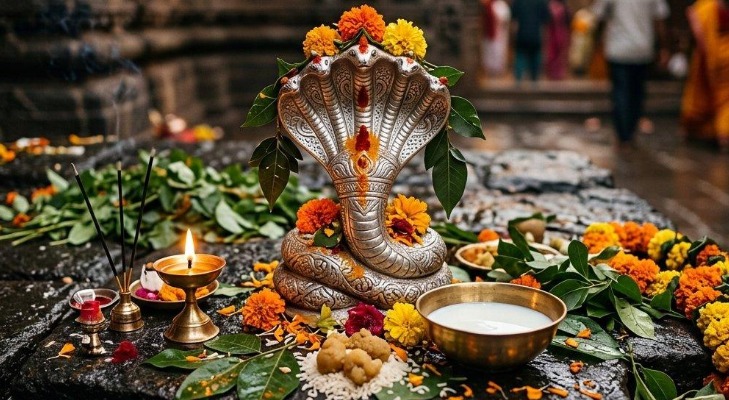
Nag Panchami is a sacred Hindu festival dedicated to the worship of Naga Devatas (serpent deities) and is celebrated on the fifth day (Panchami) of the bright fortnight (Shukla Paksha) in the month of Shravana. The festival symbolizes respect for nature, gratitude towards divine serpents, and prayers for protection, prosperity, and family well-being. Devotees offer milk, turmeric, flowers, and prayers to snake idols or anthills while seeking relief from Naga Dosha, Rahu-Ketu Dosha, and other obstacles. At Veda Gayathri, we provide authentic information about Nag Panchami, its rituals, significance, and Vedic traditions to help devotees celebrate the festival with devotion and faith.
Introduction to Nag Panchami
Nag Panchami has been observed in India for centuries and is one of the most spiritually significant festivals honoring serpent deities. In Hindu tradition, snakes are regarded as divine protectors associated with Lord Shiva, Lord Vishnu, and Lord Subrahmanya. Devotees perform special pujas, observe fasting, and seek blessings for health, prosperity, and protection from negative influences. Through Veda Gayathri, devotees can understand the authentic meaning of Nag Panchami and perform the festival according to Vedic customs.
Importance in Hinduism
Nag Panchami holds immense importance in Hinduism because serpents are considered sacred beings representing strength, wisdom, fertility, and divine protection. Lord Shiva adorns the serpent Vasuki around His neck, while Lord Vishnu rests on Adishesha, highlighting the spiritual significance of Nagas in Hindu scriptures. Worshipping serpent deities on this auspicious day is believed to remove obstacles, bring prosperity, and protect families from misfortune. Veda Gayathri explains these ancient beliefs in a simple and authentic way, helping devotees understand the deeper spiritual value of the festival.
Why Snakes are Worshipped
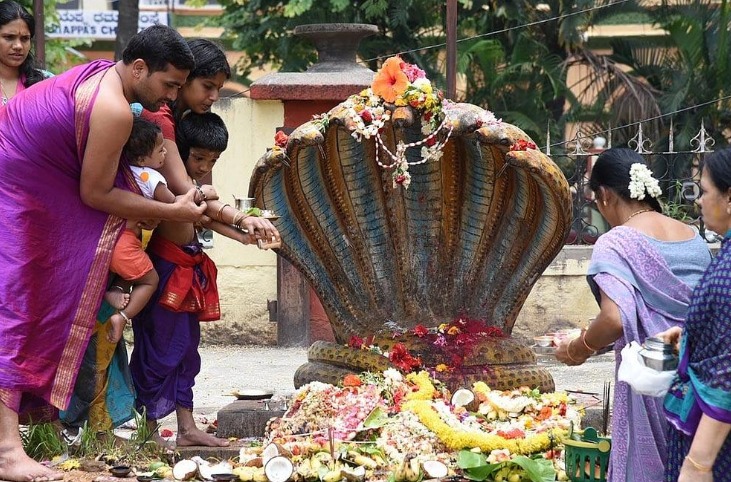
In Hindu culture, snakes are worshipped not out of fear but out of respect for their divine symbolism and their important role in maintaining ecological balance. Serpents represent Kundalini energy, transformation, protection, and the cycle of life, while also serving as guardians of water bodies and agricultural lands. Nag Panchami reminds people to live in harmony with nature and treat every living being with compassion. At Veda Gayathri, we encourage devotees to understand both the spiritual and environmental significance of snake worship during this sacred festival.
History and Origin of the Festival
The origins of Nag Panchami can be traced to ancient Hindu scriptures, including the Mahabharata, Bhagavata Purana, and Skanda Purana, where serpent worship is described as an important spiritual practice. The festival is closely associated with stories such as Lord Krishna’s victory over Kaliya Naag and Sage Astika saving the serpent race during King Janamejaya’s Sarpa Yajna. These legends teach values of compassion, forgiveness, and coexistence with nature. Veda Gayathri shares these timeless stories to help devotees appreciate the rich history and spiritual essence of Nag Panchami.
2. When is Nag Panchami 2026 Celebrated?
Nag Panchami 2026 will be celebrated on Tuesday, August 18, 2026. The festival falls on the Shukla Paksha Panchami of the Shravana month, making it one of the most auspicious days to worship Naga Devatas. On this day, devotees observe fasting, perform Nag Devata Puja, offer milk, turmeric, flowers, and prayers, and seek blessings for prosperity, protection, and relief from Naga Dosha and Rahu-Ketu Dosha. At Veda Gayathri, we provide the accurate Nag Panchami 2026 date, Panchang details, and puja guidance to help devotees celebrate the festival according to Vedic traditions.
Nag Panchami 2026 Date
According to the Hindu Panchang, Nag Panchami will be observed on Tuesday, August 18, 2026. This sacred occasion is celebrated throughout India with great devotion, especially in temples dedicated to Lord Shiva, Lord Subrahmanya, and Nag Devatas. Devotees visit temples, perform special rituals, and pray for the well-being of their families. Veda Gayathri recommends checking your local Panchang for regional timing differences while following the prescribed rituals with sincerity and devotion.
Tithi and Muhurat
Nag Panchami is celebrated during the Panchami Tithi of Shukla Paksha in the month of Shravana. Performing Nag Devata Puja during the Panchami Tithi is considered highly auspicious and is believed to bring divine blessings, remove obstacles, and reduce the effects of planetary doshas. Since the exact beginning and ending of the Panchami Tithi may vary by location, Veda Gayathri advises devotees to follow their local Panchang or temple timings for the most accurate Muhurat.
Sunrise and Puja Timing
The most favorable time to perform Nag Panchami Puja is generally after sunrise and during the morning hours, while the Panchami Tithi is in effect. Devotees clean their homes, prepare the puja altar, and offer milk, turmeric, sandalwood, flowers, and Naivedyam to Nag Devatas. Morning worship is believed to attract positive energy and divine blessings for health, prosperity, and family harmony. Veda Gayathri recommends completing the puja during the auspicious Panchami period mentioned in your local Panchang for the best spiritual benefits.
Regional Date Variations
Although Nag Panchami is widely celebrated on Tuesday, August 18, 2026, slight variations in observance may occur due to regional Panchang calculations and local traditions. Some temples and communities may adjust the puja timing based on the sunrise, Panchami Tithi, or local customs. However, the significance and devotion associated with the festival remain the same across all regions. At Veda Gayathri, we encourage devotees to follow the traditions of their region while understanding the universal spiritual importance of Nag Panchami.
3. Significance of Nag Panchami
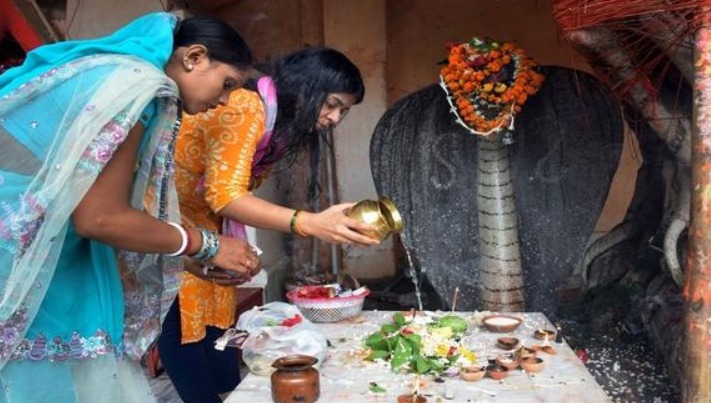
Nag Panchami is much more than a traditional festival; it is a celebration of faith, gratitude, and harmony with nature. The worship of Nag Devatas on this auspicious day symbolizes protection, prosperity, fertility, and spiritual growth. Devotees believe that offering prayers to serpent deities helps remove obstacles, brings peace to the family, and reduces the negative effects of Naga Dosha and Rahu-Ketu Dosha. Through authentic Vedic guidance, Veda Gayathri helps devotees understand the deeper spiritual meaning of Nag Panchami and observe the festival with devotion and sincerity.
Religious Importance
In Hinduism, serpents are regarded as sacred beings closely associated with Lord Shiva, Lord Vishnu, and Lord Subrahmanya. Worshipping Nag Devatas on Nag Panchami is believed to invite divine blessings, protect devotees from fear and misfortune, and strengthen spiritual faith. The festival also commemorates several legends from Hindu scriptures that highlight the importance of respecting all forms of life. Veda Gayathri encourages devotees to perform Nag Panchami rituals according to Vedic traditions to receive the full spiritual benefits of this sacred occasion.
Spiritual Benefits
Observing Nag Panchami with devotion is believed to purify the mind, strengthen inner faith, and bring positive energy into one’s life. Many devotees observe fasting, chant sacred mantras, and perform special pujas to seek blessings for health, prosperity, marital harmony, and protection from negative influences. It is also considered an auspicious day to pray for relief from Naga Dosha and Rahu-Ketu Dosha. At Veda Gayathri, we guide devotees on the proper spiritual practices that help make Nag Panchami a meaningful and rewarding experience.
Scientific and Environmental Significance
Beyond its religious importance, Nag Panchami also carries a valuable environmental message. Snakes play an essential role in maintaining ecological balance by controlling rodent populations that can damage crops and spread diseases. The festival reminds people to respect wildlife and avoid harming snakes unnecessarily, promoting peaceful coexistence with nature. Veda Gayathri emphasizes that protecting the environment and showing compassion toward all living beings is an important part of celebrating Nag Panchami in its true spirit.
Symbolism of Snake Worship
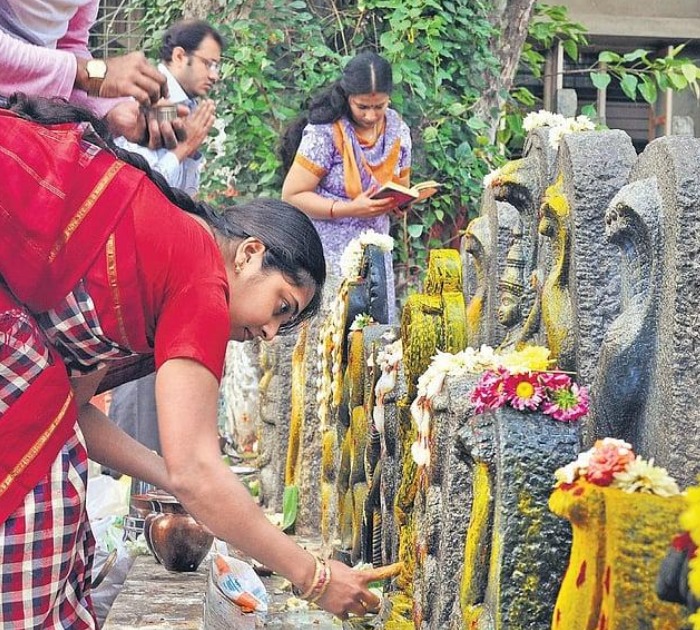
In Hindu philosophy, snakes symbolize wisdom, transformation, protection, immortality, and the awakening of spiritual energy known as Kundalini. Their association with major Hindu deities reflects their role as protectors of cosmic balance and divine knowledge. Worshipping serpent deities on Nag Panchami represents overcoming fear, removing negativity, and embracing spiritual growth. Through informative articles and authentic festival guidance, Veda Gayathri helps devotees understand the symbolic significance of snake worship and its relevance in Hindu traditions today.
4. Nag Panchami Puja Vidhi (Step-by-Step Rituals)
Performing the Nag Panchami Puja with devotion and according to Vedic traditions is believed to bring the blessings of Nag Devatas for health, prosperity, protection, and spiritual growth. Devotees clean their homes, prepare a sacred space for worship, and offer milk, turmeric, flowers, and prayers to serpent deities or Nag idols. Many also visit temples dedicated to Lord Shiva or Lord Subrahmanya to perform special rituals. At Veda Gayathri, we provide authentic Nag Panchami Puja Vidhi to help devotees observe this sacred festival with faith and correctness.
Puja Preparation
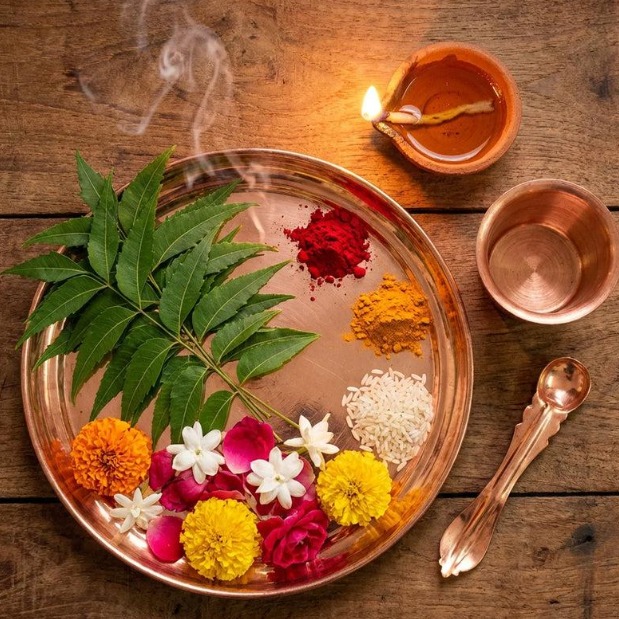
Begin the day with an early morning bath and wear clean or traditional clothes. Clean the puja area thoroughly and place an idol or image of Nag Devata on a decorated wooden plank or altar. Light a diya and incense sticks, and arrange all the puja items before starting the worship. Many devotees also draw serpent images using turmeric, kumkum, or rangoli near the entrance or puja space. Veda Gayathri recommends beginning the puja with a calm mind and sincere devotion for the best spiritual experience.
Required Puja Samagri
The essential items required for Nag Panchami Puja include a Nag Devata idol or picture, turmeric, kumkum, sandalwood paste, flowers, milk, honey, fruits, betel leaves, betel nuts, coconuts, incense sticks, camphor, ghee lamp (diya), Akshata (rice mixed with turmeric), and sweets for Naivedyam. A kalash filled with water and mango leaves may also be placed near the altar as a symbol of purity and prosperity. Veda Gayathri suggests arranging all the puja samagri beforehand to perform the rituals smoothly and without interruption.
Complete Puja Procedure
Start the puja by lighting the diya and incense sticks, followed by invoking Lord Ganesha for the successful completion of the rituals. Offer turmeric, kumkum, sandalwood paste, flowers, and Akshata to the Nag Devata while chanting sacred mantras. Present milk, fruits, sweets, and other Naivedyam as offerings, and perform Aarti with devotion. Finally, pray for the well-being of your family, protection from obstacles, and relief from Naga Dosha and Rahu-Ketu Dosha. Veda Gayathri advises devotees to perform every step with sincerity rather than focusing only on rituals.
Mantras to Chant
Chanting sacred mantras during Nag Panchami enhances the spiritual significance of the worship and helps devotees connect with divine energies. Popular mantras include “Om Namo Bhagavate Vasuki Devaya Namah”, “Om Sarpa Devatabhyo Namah”, and the Maha Mrityunjaya Mantra, which is dedicated to Lord Shiva. Reciting these mantras with concentration is believed to remove negativity, grant protection, and bring peace and prosperity. Veda Gayathri recommends chanting these mantras at least 11 or 108 times for maximum spiritual benefits.
Dos and Don’ts During the Puja
On Nag Panchami, devotees should perform the puja with a pure mind, maintain cleanliness, observe truthfulness, and treat all living beings with kindness. Visiting Nag temples, offering prayers, and donating food or clothes to those in need are considered highly auspicious. At the same time, avoid harming snakes, digging the earth, cutting trees unnecessarily, consuming non-vegetarian food, or engaging in negative speech and arguments on this sacred day. Veda Gayathri encourages devotees to celebrate Nag Panchami with compassion, devotion, and respect for both tradition and nature.
5. Nag Panchami Vrat (Fasting) Rules
Observing the Nag Panchami Vrat is considered a sacred practice that expresses devotion to Nag Devatas and seeks their blessings for health, prosperity, family harmony, and protection from negative influences. Many devotees observe a fast, perform special pujas, and chant mantras to receive divine grace and relief from Naga Dosha or Rahu-Ketu Dosha. At Veda Gayathri, we provide authentic guidance on Nag Panchami Vrat so devotees can observe the fast according to traditional Vedic practices.
Who Should Observe the Fast?
The Nag Panchami Vrat can be observed by anyone seeking the blessings of Nag Devatas, regardless of age or gender. Married couples pray for family happiness, unmarried individuals seek suitable life partners, and devotees experiencing Naga Dosha or Rahu-Ketu Dosha perform the vrat for spiritual relief. Farmers, students, and those wishing for good health and prosperity also observe this fast with great devotion. Veda Gayathri welcomes every devotee to participate in the vrat with faith and sincerity.
Fasting Guidelines
Devotees usually wake up early, take a holy bath, wear clean clothes, and make a vow (Sankalpa) before beginning the fast. Some observe a complete fast, while others consume only fruits, milk, and water until the puja is completed. The day should be spent in prayer, mantra chanting, reading sacred stories, and avoiding negative thoughts or actions. Veda Gayathri recommends following the fasting method according to your health, family traditions, and local customs while maintaining devotion throughout the day.
Foods Allowed and Avoided
During the Nag Panchami Vrat, devotees generally consume fruits, milk, curd, dry fruits, coconut water, and vrat-friendly foods prepared without onion and garlic. Many also prepare simple satvik dishes after completing the puja. Non-vegetarian food, alcohol, eggs, onion, garlic, and heavily processed or spicy foods are traditionally avoided during the fast. Veda Gayathri encourages devotees to maintain a pure satvik diet, as it supports both physical well-being and spiritual discipline.
Benefits of Observing the Vrat
Observing the Nag Panchami Vrat with devotion is believed to remove obstacles, bring peace and prosperity, improve family relationships, and protect devotees from snake-related fears and negative planetary influences. It is also considered beneficial for those seeking relief from Naga Dosha, Rahu-Ketu Dosha, and other astrological challenges. Spiritually, the vrat promotes self-discipline, inner peace, and stronger faith in divine blessings. At Veda Gayathri, we encourage devotees to observe the vrat with sincerity, as true devotion is considered the greatest offering.
6. Nag Panchami Katha (Story)
The Nag Panchami Katha is an important part of the festival and is traditionally read or heard during the puja. These sacred stories highlight the compassion of the gods, the importance of respecting nature, and the blessings received through sincere devotion. They also explain why serpent worship became an integral part of Hindu culture. At Veda Gayathri, we share authentic Nag Panchami Kathas to help devotees understand the spiritual wisdom behind this sacred festival.
Traditional Nag Panchami Vrat Katha
According to a popular legend, a farmer unknowingly destroyed a snake’s nest while ploughing his field, causing the death of several young snakes. The grieving mother serpent became angry, but later forgave the farmer’s family after seeing their sincere prayers and offerings on Nag Panchami. She blessed them with protection, prosperity, and long life. This story teaches the values of compassion, repentance, and living in harmony with nature. Veda Gayathri encourages devotees to remember these lessons while celebrating Nag Panchami.
Story of Lord Krishna and Kaliya Naag
One of the most famous stories associated with Nag Panchami is Lord Krishna’s victory over the poisonous serpent Kaliya. The serpent had polluted the Yamuna River, causing suffering to people and animals. Lord Krishna entered the river, subdued Kaliya by dancing on his many hoods, and eventually forgave him after he surrendered. Krishna ordered Kaliya to leave the river peacefully, restoring purity and harmony. Veda Gayathri explains that this story symbolizes the triumph of righteousness, compassion, and divine protection over negativity.
Story of Sage Astika and the Serpent Sacrifice
The Mahabharata narrates the story of King Janamejaya, who performed a great serpent sacrifice (Sarpa Yajna) to avenge his father’s death caused by a snake bite. As countless serpents were being drawn into the sacrificial fire, Sage Astika intervened and requested the king to stop the ritual. Respecting the sage’s wisdom, the king ended the sacrifice, saving the serpent race from destruction. This story emphasizes forgiveness, wisdom, and the importance of preserving all forms of life. Veda Gayathri highlights this legend as one of the key reasons for observing Nag Panchami.
Moral and Spiritual Lessons
The stories of Nag Panchami teach valuable lessons about compassion, forgiveness, humility, and respect for nature. They remind devotees that every living creature has a role in maintaining the balance of creation and that true devotion includes kindness toward all beings. These legends also inspire people to overcome fear, practice gratitude, and strengthen their faith in God. Through authentic spiritual guidance, Veda Gayathri helps devotees understand the timeless values and deeper meaning behind the Nag Panchami Katha.
7. Celebrations Across India
Nag Panchami is celebrated with great devotion across different parts of India, although the customs and rituals vary from region to region. Devotees visit temples, worship Nag Devatas, offer milk, turmeric, flowers, and sweets, and observe fasting for the well-being of their families. While each state has its unique traditions, the essence of the festival remains the same—honoring serpent deities, seeking divine blessings, and promoting harmony with nature. At Veda Gayathri, we bring together the diverse traditions of Nag Panchami and help devotees understand how this sacred festival is celebrated across India.
Maharashtra
Nag Panchami is one of the most important festivals in Maharashtra, where devotees visit Nag temples and offer milk, flowers, turmeric, and sweets to serpent deities. In many villages, clay or silver idols of snakes are worshipped, and families observe fasting and perform traditional pujas. Women pray for the health and prosperity of their families, while community celebrations reflect the state’s deep respect for nature and Hindu traditions. Veda Gayathri encourages devotees to follow these customs with devotion while respecting wildlife and avoiding harm to real snakes.
Karnataka
In Karnataka, Nag Panchami is observed with special prayers at temples dedicated to Lord Subrahmanya and Nag Devatas. Devotees decorate serpent idols with turmeric, sandalwood, flowers, and sacred offerings while chanting Vedic mantras. Many families also perform pujas near anthills, which are traditionally considered the natural abode of serpents. Fasting and charitable acts form an important part of the celebrations. Veda Gayathri highlights Karnataka’s rich spiritual traditions and encourages devotees to celebrate the festival according to authentic Vedic practices.
Andhra Pradesh & Telangana
Nag Panchami is celebrated with great devotion in Andhra Pradesh and Telangana, where devotees worship snake idols, anthills, and Lord Subrahmanya. Special pujas are performed in temples, and offerings such as milk, turmeric, kumkum, flowers, and fruits are made to Nag Devatas. Many families observe fasting and pray for relief from Naga Dosha, Rahu-Ketu Dosha, and other planetary influences. At Veda Gayathri, we provide complete guidance on the rituals and traditions followed in these states, helping devotees celebrate Nag Panchami with faith and devotion.
Tamil Nadu
In Tamil Nadu, Nag Panchami is observed by worshipping serpent deities in temples and at sacred anthills, particularly those associated with Lord Murugan and Lord Shiva. Devotees offer milk, turmeric, sandalwood paste, and flowers while chanting devotional hymns and prayers. Many people also seek blessings for fertility, children’s well-being, and family prosperity. Veda Gayathri explains the spiritual importance of these rituals and encourages devotees to preserve the traditional customs passed down through generations.
Uttar Pradesh and North India
Across Uttar Pradesh and other North Indian states, Nag Panchami is celebrated by drawing images of snakes on walls or doors, offering prayers, and visiting Shiva temples. Devotees perform Nag Devata Puja, observe fasting, and read the Nag Panchami Vrat Katha with their families. The festival is regarded as highly auspicious for seeking protection, prosperity, and relief from hardships. Veda Gayathri helps devotees understand these regional traditions while emphasizing the universal message of devotion and respect for nature.
Nepal Celebrations
Nag Panchami is also widely celebrated in Nepal, where it holds significant religious and cultural importance. Families place sacred images of Nag Devatas above the entrances of their homes, believing they protect against negative energies, lightning, and natural calamities. Devotees visit temples, perform special pujas, and offer milk, flowers, and sweets to serpent deities. Veda Gayathri recognizes Nepal’s rich spiritual heritage and highlights how the festival strengthens faith, family values, and respect for divine traditions.
8. FAQs About Nag Panchami 2026
Nag Panchami is one of the most frequently searched Hindu festivals, with devotees seeking answers about its significance, rituals, fasting rules, and astrological benefits. Understanding these common questions helps devotees observe the festival with greater confidence and devotion. At Veda Gayathri, we answer the most frequently asked questions using authentic Hindu scriptures and Vedic traditions to guide devotees in celebrating Nag Panchami correctly.
Why is Nag Panchami celebrated?
Nag Panchami is celebrated to honor the divine serpent deities, who symbolize protection, wisdom, fertility, and harmony with nature. The festival is believed to bring prosperity, protect devotees from snake-related dangers, and reduce the effects of Naga Dosha and Rahu-Ketu Dosha. It also promotes compassion toward all living beings. Veda Gayathri explains that the festival reminds us to respect nature while seeking the blessings of the Nag Devatas.
Can we worship snake images instead of real snakes?
Yes. Worshipping idols, pictures, silver serpent idols, or symbolic images of Nag Devatas is widely accepted in Hindu tradition and is the recommended practice today. Devotees can perform the complete Nag Panchami Puja at home or in temples without disturbing or harming real snakes. Veda Gayathri encourages symbolic worship and emphasizes treating wildlife with care and respect.
Which deity is worshipped on Nag Panchami?
Nag Panchami is primarily dedicated to Nag Devatas, including Adishesha, Vasuki, Takshaka, Karkotaka, and other revered serpent deities. Devotees also worship Lord Shiva, Lord Vishnu, and Lord Subrahmanya (Kartikeya) because of their close association with serpents in Hindu scriptures. At Veda Gayathri, devotees can learn the significance of each deity and the proper way to worship them on this auspicious day.
What should not be done on Nag Panchami?
On Nag Panchami, devotees should avoid harming snakes or any other living beings, digging the earth unnecessarily, cutting trees, consuming non-vegetarian food, alcohol, or engaging in arguments and negative behavior. Maintaining cleanliness, following a satvik lifestyle, and performing prayers with devotion are considered ideal practices. Veda Gayathri advises devotees to observe the day with compassion, discipline, and spiritual focus.
What are the benefits of observing Nag Panchami?
Observing Nag Panchami with faith is believed to bring health, prosperity, happiness, protection from obstacles, family harmony, and spiritual growth. It is also considered beneficial for those praying for fertility, children’s well-being, success in life, and freedom from negative planetary influences. Through authentic Vedic guidance, Veda Gayathri helps devotees understand these spiritual benefits and celebrate the festival with confidence and devotion.
Is Nag Panchami good for Rahu-Ketu Dosha?
Yes, Nag Panchami is regarded as one of the most auspicious days to pray for relief from Rahu-Ketu Dosha and Naga Dosha. Devotees perform Nag Devata Puja, chant sacred mantras, observe fasting, and visit temples dedicated to Lord Subrahmanya or Nag Devatas to seek divine blessings. While the festival is spiritually significant, those with specific astrological concerns may also consult a qualified priest or astrologer for personalized remedies. Veda Gayathri provides authentic information on Nag Panchami rituals and traditional practices to help devotees observe the festival with faith and understanding.