Introduction
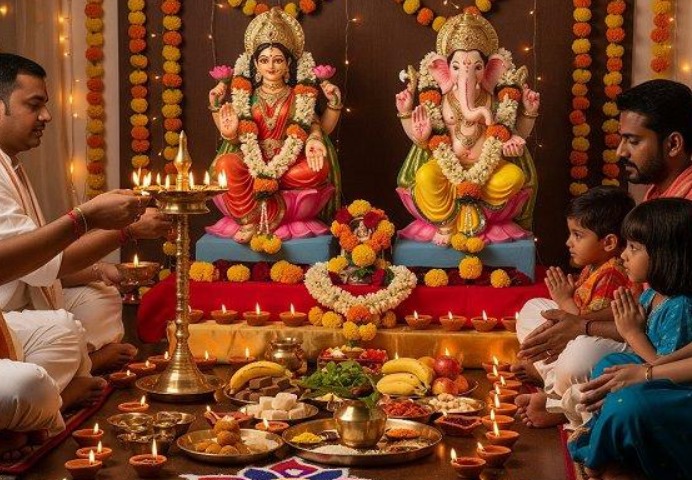
Lakshmi Ganapathi Homam is a traditional Hindu fire ritual dedicated to the combined worship of Goddess Lakshmi and Lord Ganesha. Lord Ganesha is traditionally worshipped before beginning important activities, while Goddess Lakshmi is associated with prosperity, abundance, and well-being. By bringing these forms of worship together, Lakshmi Ganapathi Homam is performed by devotees seeking blessings for a positive and auspicious beginning.The homam involves offerings into a sacred fire along with the chanting of Vedic mantras and prayers. Families and individuals may consider performing this homam during important occasions such as starting a business, moving into a new home, beginning a new venture, or celebrating significant milestones.
At Veda Gayathri, devotees can explore traditional Hindu pujas and homams performed according to established customs, with attention to the spiritual significance and rituals associated with each occasion.This comprehensive guide explains the Lakshmi Ganapathi Homam benefits, significance, procedure, pooja items, ideal timings, cost, occasions, and frequently asked questions.
What Is Lakshmi Ganapathi Homam?
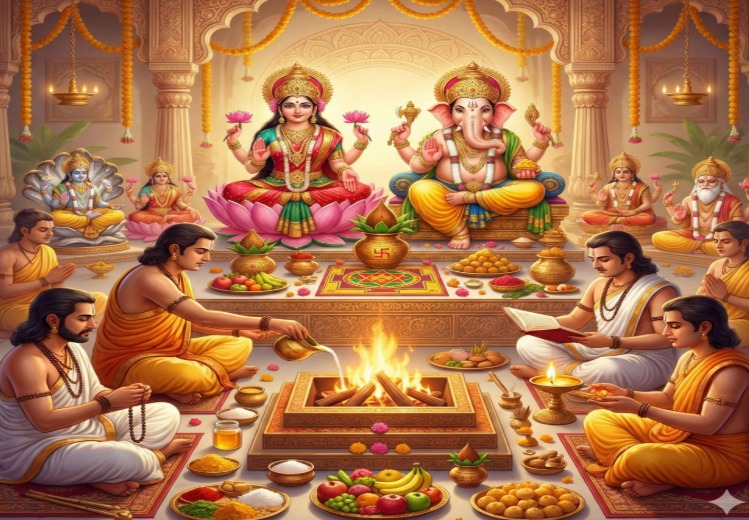
Lakshmi Ganapathi Homam is a Vedic fire ritual dedicated to Lord Ganesha and Goddess Lakshmi. The ritual combines prayers traditionally associated with removing obstacles and invoking prosperity and auspiciousness.
The word “Homam” refers to a ritual in which prescribed offerings are made into a consecrated fire while mantras are recited. The sacred fire, known as Agni, has an important role in many Hindu rituals.
The worship of Lord Ganesha at the beginning of the ceremony is traditionally associated with seeking an unobstructed start. Goddess Lakshmi is worshipped as the deity associated with prosperity and abundance.
Therefore, Lakshmi Ganapathi Homam is often chosen for occasions where devotees wish to pray for:
- Auspicious beginnings
- Prosperity and abundance
- Removal of traditional spiritual obstacles
- Success in new ventures
- Peace and positive energy
- Family well-being
- Progress in professional activities
The specific rituals and mantras can vary according to the family’s tradition, priestly practice, and regional customs.
Significance of Lakshmi Ganapathi Homam
Lakshmi Ganapathi Homam has significance because it brings together the worship of Ganesha and Lakshmi in a single ritual.
Lord Ganesha is traditionally invoked at the beginning of religious ceremonies. He is popularly known as Vighnaharta, meaning the remover of obstacles.
Goddess Lakshmi is traditionally worshipped as the goddess associated with wealth, prosperity, fortune, and abundance.
The combination of these two forms of worship makes the homam particularly relevant for people beginning an important phase of life.
From a devotional perspective, devotees may perform the homam as an expression of:
- Faith
- Gratitude
- Devotion
- Hope for prosperity
- Prayer for family welfare
- Seeking blessings before important undertakings
The ritual also provides an opportunity for families to come together and participate in traditional spiritual practices.
Why Do People Perform Lakshmi Ganapathi Homam?
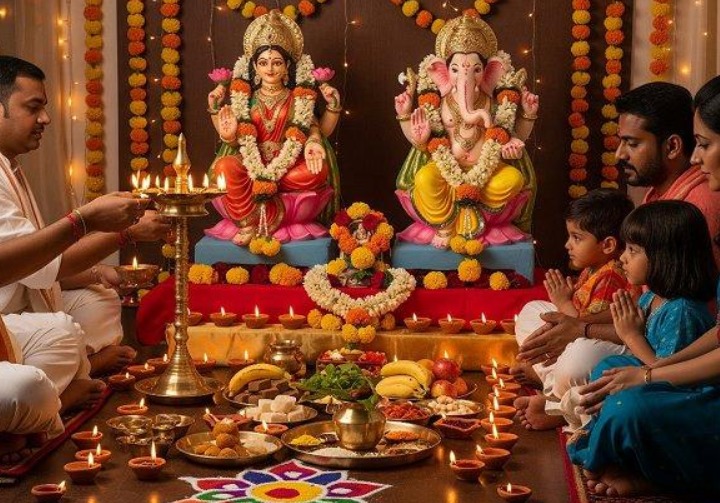
There are several traditional reasons why devotees choose to perform Lakshmi Ganapathi Homam.
For Auspicious Beginnings
Lord Ganesha is traditionally worshipped before starting important activities. Families may therefore perform Ganapathi-related rituals before beginning a new stage of life.
For Prosperity
Goddess Lakshmi is traditionally associated with prosperity and abundance. Devotees may perform Lakshmi worship while praying for financial stability and well-being.
Before Starting a Business
Business owners may choose to perform Lakshmi Ganapathi Homam before opening a new business, launching a venture, or entering a new commercial space.
During Important Life Events
The homam may also be performed during significant family occasions or milestones.
For Spiritual Well-Being
For many devotees, the primary purpose of performing a homam is devotional. Participating in prayers, mantra chanting, and traditional rituals can create a meaningful spiritual atmosphere.
Lakshmi Ganapathi Homam Benefits
The benefits of Lakshmi Ganapathi Homam are traditionally understood in a spiritual and devotional context. Different families and traditions may describe the benefits differently.
1. Traditional Prayer for Removing Obstacles
Lord Ganesha is traditionally worshipped before important activities. Devotees therefore perform Ganapathi Homam while praying for obstacles to be overcome.
2. Prayer for Prosperity
Goddess Lakshmi is associated with prosperity and abundance. Lakshmi worship is traditionally performed as a prayer for financial well-being and abundance.
3. Encourages Positive Beginnings
Performing the homam before starting something important can mark the beginning of a new chapter in a person’s life.
4. Supports a Devotional Environment
The chanting of mantras, lighting of the sacred fire, and participation of family members can create a spiritually focused environment.
5. Family Participation
Homams often provide an opportunity for family members to participate together in a traditional religious ceremony.
6. Prayer for Success
Devotees may perform Lakshmi Ganapathi Homam before beginning a new business, career opportunity, educational journey, or other important undertaking as a prayer for success.
7. Traditional Auspiciousness
Many Hindu families consider Ganapathi and Lakshmi worship especially auspicious for new beginnings and important occasions.
It is important to understand that these are traditional religious beliefs, rather than scientifically established effects or guarantees of financial or professional success.
Who Can Perform Lakshmi Ganapathi Homam?
Lakshmi Ganapathi Homam can traditionally be performed by individuals, couples, and families.
It may be suitable for:
- Homeowners
- Business owners
- Entrepreneurs
- Students
- Working professionals
- Families
- Newly married couples
- People starting a new venture
- Individuals entering a new phase of life
The exact eligibility, sankalpam, and ritual procedure may depend on the family tradition and the guidance of the priest conducting the ceremony.
When Is Lakshmi Ganapathi Homam Performed?
The appropriate time for Lakshmi Ganapathi Homam depends on the purpose of the ritual and the family’s religious tradition.
Some devotees choose auspicious days according to the Hindu Panchangam.
Possible occasions include:
Ganesh Chaturthi
Ganesh Chaturthi is an important festival dedicated to Lord Ganesha. Ganapathi-related worship is particularly prominent during this period.
Diwali
Lakshmi worship has an important place in Diwali traditions, making the festival a popular occasion for Lakshmi-related prayers.
New Business Opening
Business owners may perform the homam before commencing operations at a new business location.
Gruhapravesham
Families moving into a new house may include Ganapathi and Lakshmi worship as part of their housewarming rituals, depending on their tradition.
Important Personal Milestones
The homam may also be performed before significant personal or professional milestones.
A priest can help determine an appropriate muhurtham based on the purpose and the family’s customary practices.
Best Day for Lakshmi Ganapathi Homam
There is no single universally applicable day that is considered the best for every person or purpose.
The selection of a suitable day may depend on:
- Purpose of the homam
- Tithi
- Nakshatra
- Vara
- Muhurtham
- Family tradition
- Location
- Priest’s guidance
For an important ceremony, families may consult a priest to identify a suitable auspicious time based on the Panchangam.
Lakshmi Ganapathi Homam Procedure
The exact Lakshmi Ganapathi Homam procedure may vary depending on the sampradaya, priest, and regional tradition.
A general ceremony may include the following stages.
1. Preparation
The puja area is cleaned and arranged before the ceremony.
Required puja materials are organized, and the homa kundam is prepared.
2. Sankalpam
The priest performs the sankalpam, stating the intention and purpose of the ritual.
The devotee’s name and other relevant details may be included according to the ritual tradition.
3. Ganapathi Invocation
Lord Ganesha is invoked through traditional prayers and mantras.
This establishes the devotional beginning of the ceremony.
4. Kalasha Sthapana
A kalasha may be established as part of the puja arrangements.
The exact procedure depends on the tradition being followed.
5. Agni Pratishta
The sacred fire is established in the homa kundam.
Agni is an important element of Vedic fire rituals.
6. Ganapathi Homam
Offerings are made into the sacred fire while appropriate Ganapathi mantras are chanted.
7. Lakshmi Puja
Goddess Lakshmi is worshipped with traditional prayers and offerings.
8. Lakshmi Ganapathi Mantras
Specific mantras associated with Lakshmi and Ganapathi may be chanted according to the priest’s prescribed procedure.
9. Homa Ahutis
Prescribed materials are offered into the sacred fire while the relevant mantras are recited.
10. Purnahuti
The ceremony generally concludes with Purnahuti, the final offering into the sacred fire.
11. Prayers and Blessings
The priest offers concluding prayers and blessings to the participants.
The exact sequence can differ between traditions, so the ceremony should be conducted according to the guidance of a qualified priest.
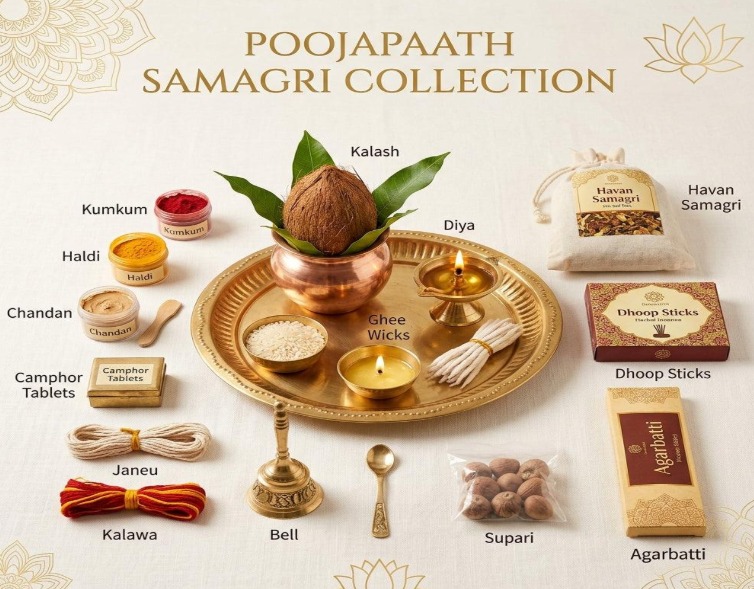
Lakshmi Ganapathi Homam Pooja Items
The materials required for the homam may differ according to the ritual tradition.
Commonly used items can include:
- Homa kundam
- Kalasha
- Coconut
- Turmeric
- Kumkum
- Sandalwood
- Flowers
- Fruits
- Betel leaves
- Betel nuts
- Rice
- Ghee
- Camphor
- Incense sticks
- Cotton wicks
- Dry fruits
- Navadhanyam
- Traditional homam samagri
- Darbha grass
- Water
- Panchamrutam ingredients
- Offerings prescribed by the priest
The priest conducting the ceremony can provide the complete and tradition-specific list.
Lakshmi Ganapathi Homam Mantras
Mantras form an important part of the homam.
A commonly known Ganapathi mantra is:
“Om Gam Ganapataye Namaha.”
This is widely used in Ganesha worship.
Lakshmi worship may involve traditional Lakshmi mantras, including:
“Om Shreem Mahalakshmyai Namaha.”
The mantras used during the homam can vary depending on the ritual format and the priest’s tradition.
During a formal homam, it is generally preferable to follow the mantras and pronunciation provided by the priest rather than attempting to independently reproduce a complete Vedic ritual.
Lakshmi Ganapathi Homam for Business
Business owners may perform Lakshmi Ganapathi Homam before beginning a new business or entering a new phase of their professional activities.
The ritual may be performed during:
- New business inauguration
- Office opening
- Shop opening
- Company establishment
- New branch opening
- Business expansion
- Starting a new venture
- Entering a new commercial property
From a traditional perspective, Ganapathi worship is associated with seeking an unobstructed beginning, while Lakshmi worship is associated with prosperity.
The homam can therefore serve as a devotional ceremony marking the beginning of a new business journey.
Lakshmi Ganapathi Homam for New House
Lakshmi Ganapathi worship may also be incorporated into ceremonies connected with a new home.
During Gruhapravesham, families may perform several rituals depending on their tradition.
These can include:
- Ganapati Puja
- Vastu Shanti Puja
- Griha Shanti Puja
- Navagraha Shanti Puja
- Lakshmi Puja
- Ganapathi Homam
- Lakshmi Ganapathi Homam
However, not every family performs all of these rituals. The selection depends on the family’s customs and the priest’s recommendations.
Lakshmi Ganapathi Homam for Financial Prosperity
Lakshmi worship has traditionally been associated with prosperity, wealth, abundance, and good fortune.
Devotees may perform Lakshmi Ganapathi Homam while praying for:
- Financial stability
- Prosperity
- Abundance
- Business growth
- Career progress
- Household well-being
However, a religious ceremony should not be considered a guaranteed method of increasing income or wealth. Financial outcomes also depend on practical factors such as planning, employment, business conditions, savings, investment decisions, and economic circumstances.
Lakshmi Ganapathi Homam for Career and Education
Students and working professionals may also choose Ganapathi worship before important academic or professional milestones.
For example, families may perform prayers before:
- Examinations
- Higher education
- Starting a new job
- Joining a new organization
- Professional examinations
- Starting a new course
- Beginning a new career
The devotional purpose is to seek blessings and approach the new journey with faith and positivity.
Lakshmi Ganapathi Homam Cost
The Lakshmi Ganapathi Homam cost can vary significantly depending on several factors.
These may include:
- Location
- Number of priests
- Duration of the ceremony
- Type and quantity of homam materials
- Occasion
- Venue
- Additional pujas
- Travel expenses
- Prasadam arrangements
- Number of participants
For this reason, there is no single fixed price applicable everywhere.
Before booking the ceremony, devotees should ask the priest or service provider for a clear breakdown of what is included.
How Long Does Lakshmi Ganapathi Homam Take?
The duration depends on the type and scale of the ceremony.
A simple ceremony may take less time, while a detailed homam with additional pujas and chanting may take longer.
The duration can depend on:
- Number of rituals
- Number of mantras
- Number of priests
- Type of homam
- Additional pujas
- Sankalpam requirements
A priest can provide an estimated duration when the ceremony is scheduled.
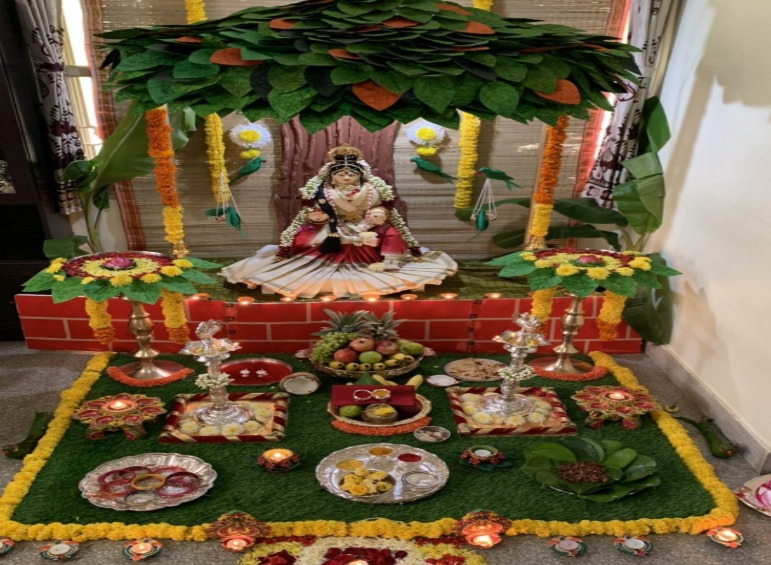
Lakshmi Ganapathi Homam at Home
Lakshmi Ganapathi Homam can be conducted at home when there is an appropriate space for the ritual.
Before organizing a home homam, families should consider:
- Adequate ventilation
- A clean puja area
- Safe placement of the homa kundam
- Fire-safety arrangements
- Required ritual materials
- Seating arrangements
- Priest requirements
Because a homam involves fire, it should be conducted carefully and safely, especially indoors.
Families living in apartments should also consider building regulations and fire-safety requirements before conducting a fire ritual.
Lakshmi Ganapathi Homam at Temple
Some devotees prefer to perform the homam at a temple or other designated religious location.
A temple-based ceremony may be convenient when:
- Home space is limited
- The family prefers a traditional temple environment
- Multiple family members are participating
- The temple provides priests and puja materials
- The family wants the ceremony conducted according to temple customs
Availability and procedures vary from temple to temple.
Difference Between Ganapathi Homam and Lakshmi Ganapathi Homam
Although both rituals involve Lord Ganesha, their devotional focus can differ.
Ganapathi Homam | Lakshmi Ganapathi Homam |
Primarily centered on Lord Ganesha | Combines Ganesha and Lakshmi worship |
Traditionally associated with auspicious beginnings | Traditionally associated with auspiciousness and prosperity |
Often performed before important activities | Often performed for new ventures and prosperity-related prayers |
Focuses primarily on Ganapathi worship | Includes Lakshmi-related worship as well |
The exact procedure and scope can vary according to the priest and tradition.
Difference Between Lakshmi Puja and Lakshmi Ganapathi Homam
Lakshmi Puja and Lakshmi Ganapathi Homam are not identical rituals.
Lakshmi Puja primarily focuses on worshipping Goddess Lakshmi through offerings, prayers, and traditional puja procedures.
Lakshmi Ganapathi Homam combines worship of Goddess Lakshmi and Lord Ganesha with a fire ritual.
A homam therefore includes the important element of offerings made into a sacred fire.
Difference Between Lakshmi Ganapathi Homam and Ganesh Chaturthi Puja
Ganesh Chaturthi Puja is associated specifically with the festival celebrating Lord Ganesha.
Lakshmi Ganapathi Homam is a homam performed as a specific devotional ritual involving Lakshmi and Ganapathi.
They can be performed on different occasions, although Ganapathi-related rituals may naturally be prominent during Ganesh Chaturthi.
Preparing for Lakshmi Ganapathi Homam
Proper preparation can help the ceremony proceed smoothly.
Clean the Puja Area
Keep the area where the ritual will take place clean and organized.
Arrange the Required Materials
Prepare the materials provided by the priest in advance.
Confirm the Muhurtham
Confirm the date and time before making arrangements.
Coordinate With the Priest
Discuss the purpose of the homam and ask about any specific requirements.
Prepare Participants
Family members participating in the ceremony should arrive on time and follow the customary instructions.
Maintain a Devotional Environment
Avoid unnecessary distractions during the ritual and allow participants to focus on the prayers.
What Should You Wear for Lakshmi Ganapathi Homam?
Traditional and comfortable clothing is generally appropriate for Hindu religious ceremonies.
Many families prefer:
- Traditional Indian clothing
- Clean and comfortable attire
- Modest clothing appropriate for a religious ceremony
Specific dress customs may vary according to family and temple traditions.
What Happens After Lakshmi Ganapathi Homam?
After the homam, the priest generally completes the concluding prayers and blessings.
Depending on the ceremony, devotees may receive:
- Prasadam
- Theertham
- Sacred ash
- Kumkum
- Other items associated with the puja
Families may then distribute prasadam among participants.
The exact concluding practices depend on the tradition followed during the ceremony.
Can Lakshmi Ganapathi Homam Be Performed More Than Once?
There is no universal rule that limits a person to performing the homam only once.
Devotees may perform it on different occasions depending on their religious practices and personal circumstances.
For example, someone may perform the ceremony when:
- Starting a business
- Moving into a new house
- Beginning a major project
- Celebrating a significant milestone
- Observing a family tradition
For repeated or specific-purpose ceremonies, families may consult their priest.
Is Lakshmi Ganapathi Homam Suitable for a New Business?
Lakshmi Ganapathi Homam is traditionally chosen by some devotees before starting a new business because it combines Ganapathi worship with Lakshmi worship.
The ceremony can be performed as a devotional beginning before:
- Opening a shop
- Starting an office
- Launching a company
- Starting a new business
- Expanding an existing business
Alongside religious practices, business owners should also focus on practical planning, legal requirements, finances, marketing, and operations.
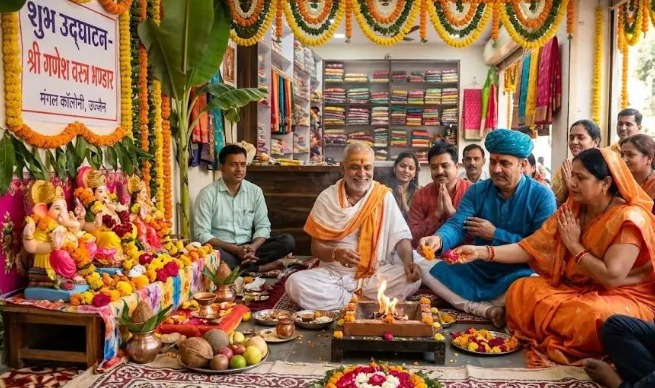
Is Lakshmi Ganapathi Homam Suitable for Gruhapravesham?
Yes, Lakshmi Ganapathi Homam can be included in a Gruhapravesham ceremony, depending on the family’s tradition.
A new-home ceremony may include different rituals such as:
- Ganapati Puja
- Vastu Shanti
- Griha Shanti
- Navagraha Shanti
- Lakshmi Puja
- Ganapathi Homam
- Lakshmi Ganapathi Homam
The exact combination should be determined according to the family’s customs and the priest’s guidance.
Role of Veda Gayathri in Traditional Puja Services
At Veda Gayathri, devotees can explore traditional pujas and homams for different occasions, including ceremonies associated with new homes, family functions, spiritual observances, and important life events.
The focus is on helping families understand the purpose and traditional significance of different rituals and arrange ceremonies according to their requirements.
Whether you are planning a Lakshmi Ganapathi Homam for a new business, Gruhapravesham, family occasion, or personal devotional practice, understanding the ritual beforehand can help you prepare more comfortably.
Frequently Asked Questions About Lakshmi Ganapathi Homam
What is Lakshmi Ganapathi Homam?
Lakshmi Ganapathi Homam is a traditional Hindu fire ritual combining the worship of Lord Ganesha and Goddess Lakshmi.
What is Lakshmi Ganapathi Homam performed for?
It is traditionally performed for auspicious beginnings, prayers for prosperity, removal of obstacles, and well-being.
Can Lakshmi Ganapathi Homam be performed at home?
Yes, it can be performed at home if there is a suitable space and the ceremony is conducted safely under the guidance of a priest.
Can Lakshmi Ganapathi Homam be performed for a new business?
Yes. Some business owners perform it before opening a new business or beginning a new venture as a traditional prayer for auspiciousness and prosperity.
Can Lakshmi Ganapathi Homam be part of Gruhapravesham?
Yes. Depending on family tradition, Lakshmi Ganapathi Homam can be included among the rituals performed during Gruhapravesham.
What are the main Lakshmi Ganapathi Homam benefits?
Traditionally, devotees associate the ritual with prayers for auspicious beginnings, prosperity, removal of obstacles, and family well-being.
How much does Lakshmi Ganapathi Homam cost?
The cost varies according to location, priest, ritual duration, materials, number of priests, and additional services.
How long does Lakshmi Ganapathi Homam take?
The duration varies depending on the specific ritual procedure and whether additional pujas are performed.
Which day is best for Lakshmi Ganapathi Homam?
The suitable day and muhurtham depend on the purpose of the ceremony, Panchangam considerations, family tradition, and priestly guidance.
What should I arrange for Lakshmi Ganapathi Homam?
You may need a homa kundam, puja materials, flowers, fruits, ghee, traditional offerings, kalasha items, and other materials specified by the priest.
Things to Consider Before Booking Lakshmi Ganapathi Homam
Before scheduling the ceremony, it is useful to confirm:
- Date and muhurtham
- Location of the ceremony
- Number of participants
- Number of priests
- Required puja materials
- Estimated duration
- Total cost
- Additional rituals, if any
- Prasadam arrangements
- Safety arrangements for the homam fire
Having these details confirmed in advance can make the ceremony easier to organize.
Conclusion
Lakshmi Ganapathi Homam is a traditional Hindu fire ritual that combines the worship of Lord Ganesha and Goddess Lakshmi. Lord Ganesha is traditionally invoked for auspicious beginnings and prayers for overcoming obstacles, while Goddess Lakshmi is associated with prosperity, abundance, and well-being.
The homam may be performed for occasions such as starting a business, moving into a new home, beginning an important journey, celebrating a milestone, or seeking traditional blessings for family prosperity.
The exact procedure, mantras, materials, muhurtham, and cost can vary according to regional customs, family traditions, and the priest conducting the ceremony. Anyone planning the ritual should therefore discuss their requirements with a qualified priest beforehand.
For families looking to understand or arrange traditional pujas and homams, Veda Gayathri can help provide information about different Hindu rituals and their traditional significance, making it easier to plan an auspicious ceremony according to individual requirements.