Introduction
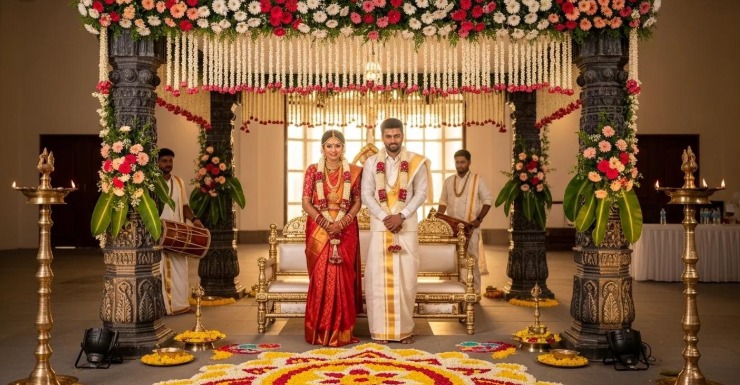
Kalyana Vratham is an important Hindu wedding ritual traditionally performed before the main wedding ceremony. The word “Kalyana” refers to marriage or auspicious union, while “Vratham” refers to a sacred vow or religious observance. Together, Kalyana Vratham represents a spiritual ceremony through which the bride and groom prepare themselves for married life.
In Hindu traditions, marriage is considered more than a social relationship. It is regarded as a sacred bond between two individuals and their families. Various rituals performed before and during the wedding are intended to seek divine blessings, remove obstacles, and establish a positive spiritual atmosphere for the couple.
At Veda Gayathri, traditional Hindu rituals and poojas are performed with appropriate Vedic practices and devotional procedures. Kalyana Vratham can be conducted as part of the wedding celebrations according to the family’s customs, traditions, and guidance from qualified priests.
This guide explains the meaning, significance, procedures, items required, benefits, and traditions associated with Kalyana Vratham.
What Is Kalyana Vratham?
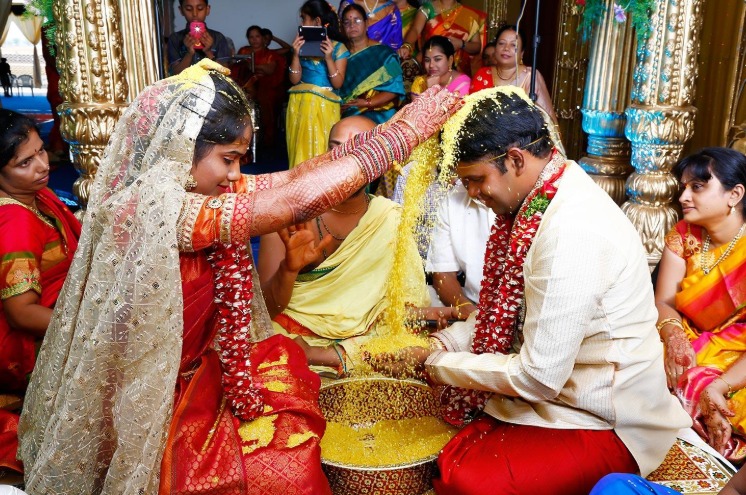
Kalyana Vratham is a sacred ritual performed by the bride and groom as part of the Hindu wedding ceremonies. It generally takes place shortly before the wedding and marks the beginning of the formal wedding rituals.
During the ceremony, the bride and groom participate in prayers and religious activities seeking blessings from the deities and elders. The ritual also symbolizes their commitment to entering a new stage of life.
Depending on the region and family tradition, the exact procedures followed during Kalyana Vratham may differ. Some families perform the ritual separately for the bride and groom, while others incorporate it into a larger pre-wedding ceremony.
The ceremony may include:
- Sankalpam or sacred resolve
- Ganapati prayers
- Kalasha worship
- Invocation of deities
- Sacred thread rituals
- Vedic mantras
- Blessings from elders
- Prayers for a peaceful married life
The priest generally guides the couple through each step of the ceremony.
Significance of Kalyana Vratham in Hindu Marriage
Marriage is traditionally viewed as a significant samskara in Hindu culture. Therefore, the rituals surrounding marriage have spiritual and cultural importance.
Kalyana Vratham symbolizes the couple’s readiness to begin their married life with devotion and responsibility. The ceremony creates an opportunity for the bride and groom to seek blessings before entering the next phase of their lives.
The ritual is also associated with:
- Seeking divine blessings
- Beginning the wedding ceremonies auspiciously
- Praying for a harmonious married life
- Invoking protection and prosperity
- Honouring traditional customs
- Receiving blessings from parents and elders
- Preparing spiritually for marriage
The ceremony reminds the couple and their families that marriage involves mutual respect, responsibility, understanding, and commitment.
Why Is Kalyana Vratham Performed Before Marriage?
Kalyana Vratham is generally performed before the main wedding ceremony because it marks the formal beginning of the wedding rituals.
The bride and groom symbolically prepare themselves for the responsibilities associated with married life. Through prayers and Vedic rituals, they seek blessings for a peaceful and prosperous future.
Traditionally, the ceremony may also represent a transition from individual life toward family life.
It provides an opportunity for the families to come together and participate in the spiritual aspects of the wedding celebrations.
Kalyana Vratham and Its Spiritual Importance
The spiritual aspect of Kalyana Vratham is one of its central features. Hindu wedding rituals commonly involve prayers to various deities and the chanting of Vedic mantras.
The ceremony encourages the couple to begin married life with positive intentions and devotion.
The prayers may seek:
- Peace and harmony
- Good health
- Prosperity
- Family happiness
- Mutual understanding
- Protection from obstacles
- Blessings for a successful married life
The exact prayers and mantras may vary depending on the family’s tradition and the priest conducting the ceremony.
When Is Kalyana Vratham Performed?
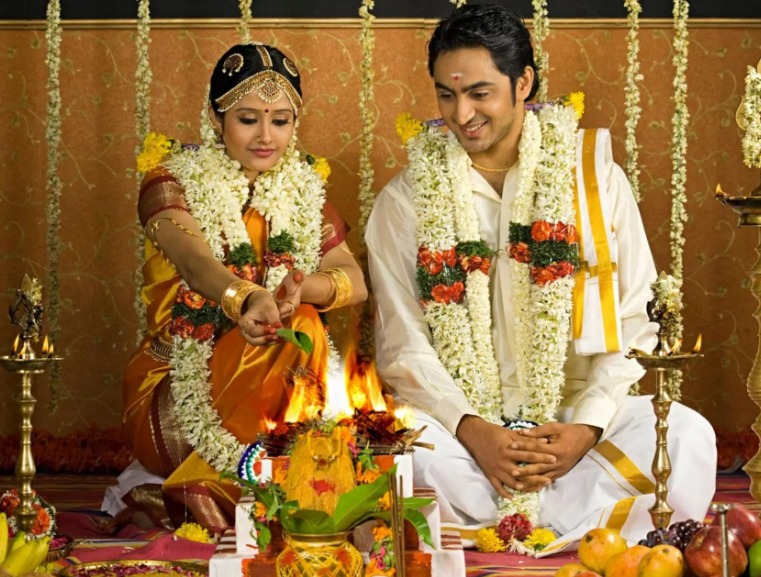
Kalyana Vratham is usually performed shortly before the wedding ceremony. In many traditions, it takes place on the same day as the wedding or on the previous day.
However, there is no single universal schedule followed by every Hindu family.
The timing can depend on:
- Regional customs
- Family traditions
- Wedding schedule
- Muhurtham
- Priest’s guidance
- Availability of the wedding venue
- Other wedding rituals
Families generally consult their priest to determine the appropriate time for performing the ceremony.
Who Participates in Kalyana Vratham?
The bride and groom are the primary participants in Kalyana Vratham.
Parents and close family members may also participate in the ceremony and offer their blessings.
Depending on the tradition, the ceremony may involve:
- Bride
- Groom
- Parents
- Grandparents
- Close relatives
- Family elders
- Vedic priest or purohit
The participation of elders is especially meaningful because receiving their blessings is considered an important part of Hindu wedding traditions.
Kalyana Vratham Procedure
The exact Kalyana Vratham procedure can vary according to the family’s customs and the priest’s tradition. However, the ceremony commonly follows a sequence of prayers and sacred rituals.
1. Preparation for the Ceremony
Before the ritual begins, the required pooja materials are arranged. The couple traditionally dresses in appropriate traditional clothing.
The pooja area is cleaned and decorated. A suitable place is selected for performing the ceremony.
Flowers, fruits, lamps, kalasha, turmeric, kumkum, rice, betel leaves, betel nuts, and other required items may be arranged.
2. Sankalpam
The ceremony generally begins with Sankalpam, which represents the sacred intention or resolve to perform the ritual.
The priest guides the bride and groom through the Sankalpam while mentioning the relevant details according to the traditional procedure.
Sankalpam establishes the spiritual purpose of the ceremony and formally begins the religious observance.
3. Ganapati Puja
Lord Ganesha is traditionally worshipped at the beginning of many Hindu ceremonies.
Ganapati Puja is performed seeking blessings for the successful completion of the wedding rituals and to overcome obstacles.
The couple participates in the prayers and offerings according to the priest’s instructions.
4. Kalasha Puja
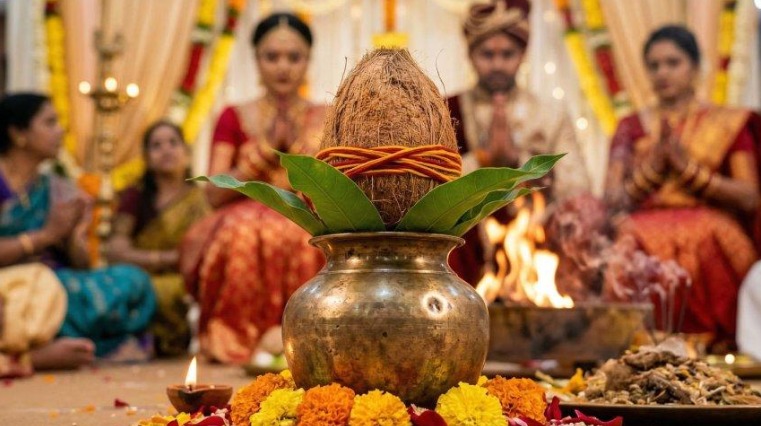
A Kalasha may be prepared as part of the ritual. It is traditionally decorated with mango leaves, coconut, turmeric, kumkum, and other sacred items.
The Kalasha is worshipped as a representation of auspiciousness and divine presence.
The priest chants appropriate mantras while performing the Kalasha Puja.
- Vratham or Sacred Vow
The central aspect of the ceremony involves the observance of the Vratham.
The bride and groom symbolically undertake the sacred observance before proceeding toward marriage.
In some traditions, a sacred thread or other ritual symbol may be associated with the Vratham. The exact practice differs among communities.
This part of the ceremony represents spiritual preparation and commitment to the sacred responsibilities of married life.
6. Vedic Mantra Chanting
Vedic mantras are recited by the priest during different stages of Kalyana Vratham.
The mantras form an important part of the spiritual atmosphere of the ceremony.
The couple listens to and participates in the prayers as instructed by the priest.
7. Blessings from Parents and Elders
After the main ritual, the bride and groom receive blessings from their parents and elders.
Elders may bless the couple for:
- Long life
- Happiness
- Prosperity
- Harmony
- Family well-being
- A successful married life
This moment also highlights the importance of family support in the couple’s new journey.
Important Items Required for Kalyana Vratham
The required pooja materials may differ depending on the family tradition and the specific procedure followed by the priest.
Common items may include:
- Turmeric
- Kumkum
- Rice
- Flowers
- Fruits
- Coconut
- Betel leaves
- Betel nuts
- Mango leaves
- Kalasha
- Oil or ghee lamps
- Cotton wicks
- Sandalwood
- Incense sticks
- Camphor
- Sacred thread
- Pooja plates
- Water
- Traditional offerings
The priest may provide a complete list of materials before the ceremony.
It is advisable to prepare the pooja items in advance so that the ceremony can proceed smoothly.
Traditional Dress for Kalyana Vratham
Traditional clothing is generally preferred for Kalyana Vratham.
The bride may wear a traditional saree, while the groom may wear traditional attire such as a dhoti and kurta or other clothing appropriate to the family’s customs.
The choice of clothing can vary according to regional traditions and personal preferences.
Families may also coordinate the couple’s attire with the overall wedding theme.
Role of Parents in Kalyana Vratham
Parents have an important place in Hindu wedding ceremonies.
They support the couple throughout the wedding rituals and participate in various religious ceremonies.
During Kalyana Vratham, parents may participate in prayers and offer their blessings to the bride and groom.
Their presence represents family support as the couple begins a new stage of life.
Regional Variations in Kalyana Vratham
Kalyana Vratham is not performed identically across all Hindu communities.
Different regions and communities may follow their own procedures and customs.
For example, wedding traditions in South India may differ from those followed in North, East, or West India.
Even within the same region, families may follow different practices based on:
- Community traditions
- Family customs
- Vedic tradition
- Regional culture
- Priest’s procedure
Therefore, the sequence and details of Kalyana Vratham should be understood within the context of the family’s tradition.
Difference Between Kalyana Vratham and Other Pre-Wedding Rituals
Hindu weddings involve numerous rituals, and each ceremony has its own purpose.
Kalyana Vratham
Kalyana Vratham is primarily associated with spiritual preparation and the sacred beginning of the wedding rituals.
Haldi Ceremony
Haldi is a traditional pre-wedding celebration involving the application of turmeric paste. It has strong cultural and festive significance.
Mehendi Ceremony
Mehendi involves applying henna designs, particularly on the bride’s hands and feet, and is widely celebrated as part of wedding festivities.
Engagement Ceremony
An engagement formally celebrates the agreement or commitment between the couple and their families.
Ganesh Puja
Ganesh Puja invokes Lord Ganesha and is performed at the beginning of many Hindu religious functions.
Although these ceremonies may occur around the same period, their procedures and cultural significance are different.
Kalyana Vratham Muhurtham
The timing of Kalyana Vratham can be selected according to the wedding schedule and family tradition.
In traditional Hindu practices, auspicious timings are often considered important for religious ceremonies.
A priest or Vedic astrologer may consider factors such as:
- Tithi
- Nakshatra
- Vara
- Yoga
- Karana
- Muhurtham
- Family tradition
The exact method used for determining the timing can vary.
Families who wish to follow traditional practices can consult a knowledgeable priest to determine an appropriate time for the ceremony.
Benefits Traditionally Associated with Kalyana Vratham
Kalyana Vratham is primarily a religious and spiritual observance rather than a ceremony performed solely for material benefits.
Traditionally, devotees associate the ritual with prayers for:
Divine Blessings
The couple seeks blessings before entering married life.
Peace and Harmony
The ceremony represents the couple’s wish for mutual understanding and harmony.
Prosperity
Families pray for abundance and well-being in the couple’s future household.
Removal of Obstacles
Prayers, especially those dedicated to Lord Ganesha, are traditionally associated with seeking an obstacle-free beginning.
Family Well-Being
The ceremony brings families together and provides an opportunity for elders to bless the couple.
How to Prepare for Kalyana Vratham
Proper preparation can make the ceremony more organized and meaningful.
Prepare the Pooja Materials
Keep all required materials ready before the ceremony.
Confirm the Muhurtham
Discuss the timing with the priest and confirm the ceremony schedule.
Arrange the Pooja Space
Clean and decorate the area where the ceremony will be performed.
Prepare Traditional Clothing
Keep the bride’s and groom’s traditional attire ready.
Inform Family Members
Let close family members know the ceremony timing so they can participate.
Coordinate With the Priest
Discuss the complete procedure and required items beforehand.
Good preparation allows the family to focus on the spiritual aspects of the ceremony rather than last-minute arrangements.
Kalyana Vratham at Home
Depending on the family’s customs and the priest’s guidance, certain forms of Kalyana Vratham may be performed at home.
A clean and suitable space should be prepared for the ritual.
Families may decorate the area with:
- Flowers
- Mango leaves
- Rangoli or kolam
- Traditional lamps
- Pooja decorations
However, the suitability of performing the complete ritual at home depends on the specific tradition and ceremony requirements.
Kalyana Vratham at a Wedding Venue
Kalyana Vratham can also be performed at the wedding venue.
Many families prefer this arrangement because it allows close relatives and guests to participate in the ceremony.
A designated area can be arranged with:
- Pooja setup
- Seating for the couple
- Kalasha
- Homa or ritual arrangements where applicable
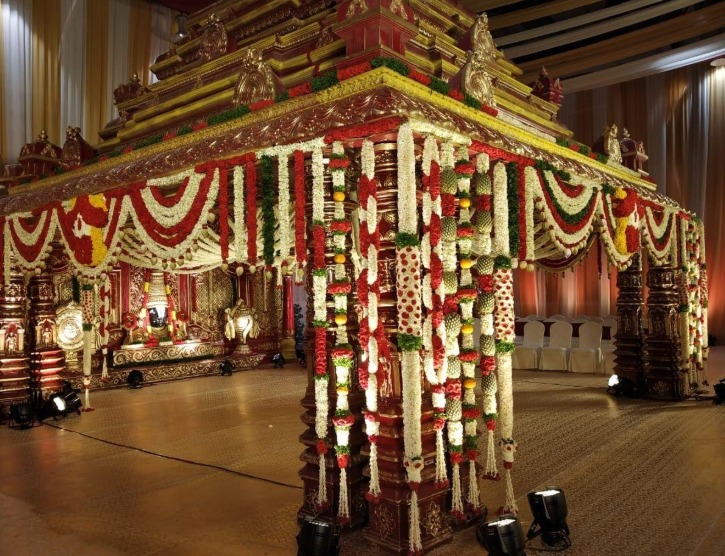
- Flowers and decorations
- Required pooja materials
The priest can guide the family regarding the appropriate setup.
Importance of Vedic Priest in Kalyana Vratham
A knowledgeable Vedic priest can guide the couple and family through the various stages of the ceremony.
The priest generally:
- Explains the ritual procedure
- Recites appropriate mantras
- Guides the Sankalpam
- Conducts the pooja
- Advises on required materials
- Coordinates the ritual sequence
- Guides the bride and groom
Since procedures differ between traditions, families should discuss their preferred customs with the priest before the ceremony.
Kalyana Vratham as a Symbol of a New Beginning
Marriage represents an important transition in a person’s life. Kalyana Vratham provides a spiritual beginning to this transition.
The ceremony encourages the couple to approach married life with:
- Commitment
- Respect
- Patience
- Understanding
- Responsibility
- Mutual support
The sacred rituals remind the couple that marriage is not only a celebration but also a long-term relationship built on shared responsibilities and values.
How Families Can Make Kalyana Vratham Meaningful
The ceremony can be made meaningful by focusing on its spiritual and cultural purpose rather than treating it only as a formal wedding event.
Families can:
- Understand the meaning behind the rituals
- Encourage the couple to participate actively
- Involve elders
- Maintain a peaceful environment
- Follow the family’s traditional practices
- Arrange the required materials beforehand
- Listen carefully to the priest’s instructions
Understanding the meaning of the ceremony can make the experience more memorable for the couple and their families.
Why Choose Traditional Kalyana Vratham Services?
Families often prefer experienced priests for conducting important wedding rituals because these ceremonies involve specific mantras, procedures, and traditional practices.
At Veda Gayathri, traditional poojas and Vedic rituals can be arranged with attention to the family’s requirements and customary practices. The objective is to help families conduct sacred ceremonies in a structured and devotional manner.
Families can discuss their wedding requirements, preferred traditions, ceremony location, and suitable timings with the service team before making arrangements.
Frequently Asked Questions About Kalyana Vratham
What is Kalyana Vratham?
Kalyana Vratham is a Hindu wedding ritual performed before the main marriage ceremony. It represents spiritual preparation and the beginning of the formal wedding rituals.
When is Kalyana Vratham performed?
It is commonly performed shortly before the wedding, either on the previous day or on the wedding day, depending on family tradition and the wedding schedule.
Who performs Kalyana Vratham?
The bride and groom are the main participants. Parents, elders, and close family members may also participate.
Is Kalyana Vratham compulsory for every Hindu wedding?
Practices vary among communities and families. Some families consider it an important traditional ceremony, while others may follow different wedding rituals.
Can Kalyana Vratham be performed at home?
Depending on the family’s tradition and the priest’s guidance, the ceremony may be performed at home or another suitable location.
What should the bride wear for Kalyana Vratham?
The bride generally wears traditional attire such as a saree, although the exact choice depends on family and regional customs.
What should the groom wear?
The groom may wear traditional attire such as a dhoti and kurta or another customary wedding outfit.
What items are needed for Kalyana Vratham?
Common items include turmeric, kumkum, rice, flowers, fruits, coconut, betel leaves, betel nuts, Kalasha items, lamps, incense, camphor, and sacred threads. The priest should provide the final list based on the procedure.
Does Kalyana Vratham have a specific Muhurtham?
The timing depends on the family’s tradition, wedding schedule, and the priest’s guidance. Families following traditional Muhurtham practices can consult a priest or Vedic astrologer.
Is Kalyana Vratham the same as a wedding ceremony?
No. Kalyana Vratham is a pre-wedding ritual and is distinct from the main wedding ceremony and other wedding rituals.
Conclusion
Kalyana Vratham is a meaningful Hindu wedding ritual that marks the spiritual beginning of the marriage ceremonies. Through prayers, sacred observances, Vedic mantras, and blessings from elders, the bride and groom prepare themselves for their new journey together.
Although the exact procedure varies according to regional and family traditions, the central purpose remains connected with seeking divine blessings and beginning married life with positive intentions.
With proper planning, traditional guidance, and the participation of family members, Kalyana Vratham can become a memorable and spiritually significant part of the wedding celebrations.
Veda Gayathri can help families organize traditional Hindu poojas and wedding rituals according to their requirements and customary practices. Families can consult experienced priests to understand the appropriate procedure, pooja materials, and timing for their Kalyana Vratham ceremony.