Introduction
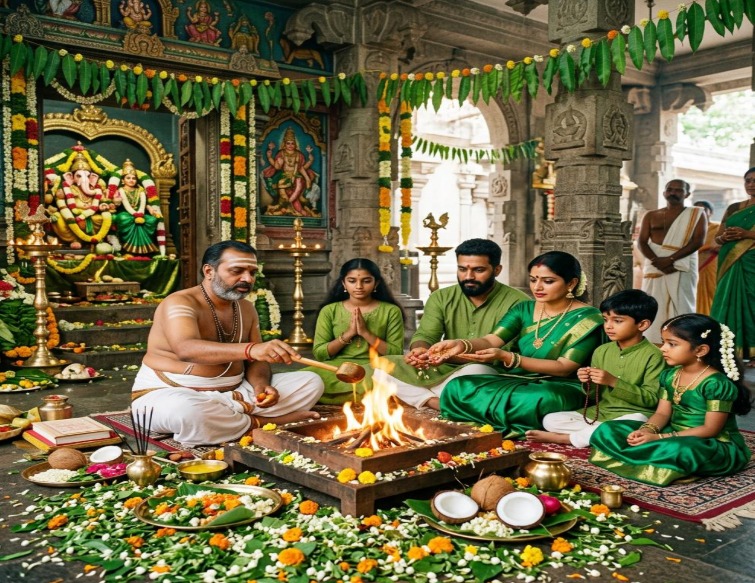
Ayushya Homam is a traditional Hindu homam performed with the intention of praying for long life, good health, vitality, protection, and overall well-being. The word Ayushya is associated with longevity or lifespan, while Homam refers to a sacred fire ritual in which offerings are made into the fire while Vedic mantras are chanted.
Ayushya Homam is commonly performed for children, adults, and families on important occasions. It may be conducted after the birth of a child, on birthdays, during certain life milestones, or when a family wishes to perform a traditional prayer for health and longevity.
The ceremony involves the preparation of a sacred fire, invocation of deities, chanting of traditional mantras, and offerings made according to the prescribed ritual procedure. The exact procedure, mantras, materials, and timing may vary depending on the family’s tradition, priest, region, and Vedic practice.
At Veda Gayathri, traditional Hindu pujas and homams can be arranged with attention to the customary procedures associated with each ceremony. Ayushya Homam can be performed as a devotional ritual seeking blessings for longevity, health, prosperity, peace, and protection.
What Is Ayushya Homam?
Ayushya Homam is a Vedic fire ritual traditionally associated with prayers for Ayush, meaning longevity or a long and healthy life. The ceremony is performed by qualified priests who invoke divine blessings through Vedic chanting and offerings into the sacred fire.
The homam is often associated with Ayushya-related mantras and prayers. Families may choose to perform it for a child or an adult depending on their spiritual beliefs and family traditions.
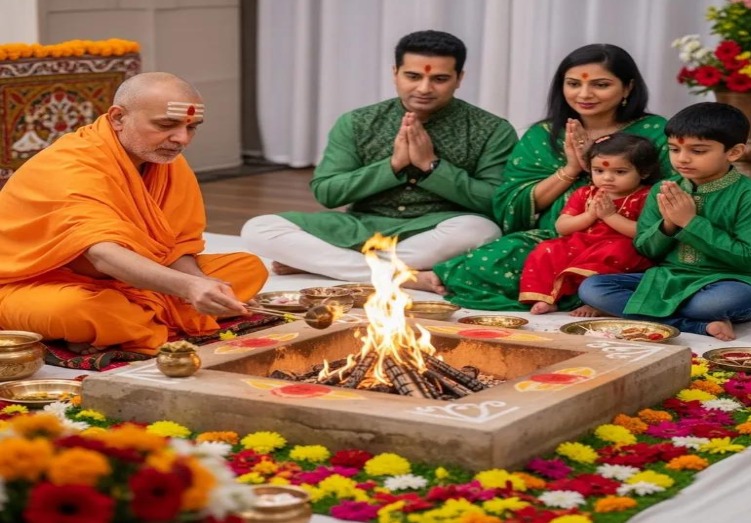
Unlike a simple puja, a homam involves a structured fire ritual. The sacred fire, known as Agni, has an important place in Vedic rituals because offerings are traditionally made into the fire while specific mantras are recited.
The ceremony may include:
- Sankalpam or taking a sacred resolve
- Ganapati Puja
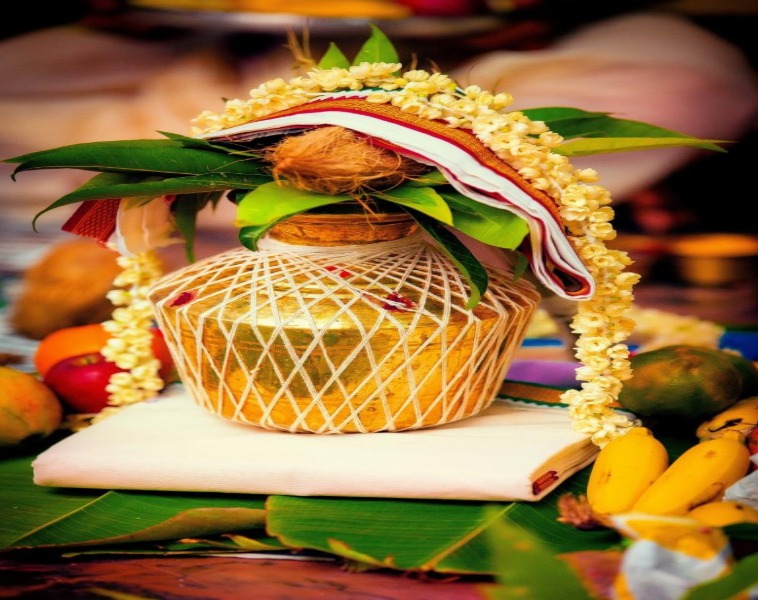
- Kalasha Puja
- Invocation of the deities
- Preparation of the homa fire
- Chanting of Ayushya mantras
- Offerings into the sacred fire
- Purnahuti
- Blessings and distribution of prasadam
The priest generally determines the detailed sequence based on the family’s requirements and the particular tradition being followed.
Meaning and Significance of Ayushya Homam
The primary spiritual purpose of Ayushya Homam is to seek divine blessings for longevity, vitality, health, and protection.
In Hindu tradition, human life is considered valuable, and prayers for a long and meaningful life have an important place in religious practices. Ayushya Homam represents a family’s devotional prayer for the well-being of the person for whom the ceremony is performed.
The ritual is also viewed as an opportunity for family members to come together, pray, and express gratitude for life and well-being.
The significance of the homam can be understood through several aspects:
Prayer for Longevity
Ayushya Homam is traditionally performed with the intention of seeking blessings for a long life.
Prayer for Well-Being
Families may perform the ritual as a spiritual prayer for physical and mental well-being.
Protection and Auspiciousness
Traditional beliefs associate certain Vedic rituals with protection from negative influences and the promotion of auspiciousness.
Family Blessings
The ceremony provides an opportunity for family members and elders to offer their blessings to the person undergoing the ritual.
Spiritual Devotion
The chanting of mantras and performance of the homam create an atmosphere of prayer, devotion, and spiritual reflection.
Who Can Perform Ayushya Homam?
Ayushya Homam can traditionally be performed for people of different ages.
Ayushya Homam for Children
Ayushya Homam is particularly associated with children in many family traditions. Parents may organize the ceremony as a prayer for their child’s longevity, health, protection, and well-being.
It may be performed on occasions such as:
- A child’s birthday
- Nakshatra birthday
- Important family milestones
- After the child’s birth
- As part of a traditional religious observance
Parents may consult a priest to determine the appropriate date and procedure.
Ayushya Homam for Adults
Adults may also perform Ayushya Homam as a traditional prayer for longevity and well-being. Some families perform it on birthdays or other significant occasions.
Ayushya Homam for Elders
Families may conduct the homam for elderly parents or grandparents as an expression of love, respect, gratitude, and prayer for their continued well-being.
When Is Ayushya Homam Performed?
The appropriate timing for Ayushya Homam depends on family tradition and the guidance of the priest performing the ceremony.
Some families choose to perform it on a birthday or Nakshatra birthday, while others select a suitable auspicious day based on the person’s birth details.
The priest may consider factors such as:
- Date
- Tithi
- Nakshatra
- Weekday
- Muhurtham
- Birth details
- Family tradition
- Purpose of the ceremony
There is no single universally applicable date for every individual. Therefore, families who wish to follow traditional astrological or Vedic considerations can consult a qualified priest before finalizing the date.
Ayushya Homam on Birthday
Performing Ayushya Homam on a birthday is a practice followed by some Hindu families.
Instead of treating the birthday only as a social celebration, the family may use the occasion to offer prayers for the person’s continued well-being and longevity.
The ceremony may be especially meaningful when performed for children. Parents and grandparents can participate in the prayers and seek blessings for the child’s future.
A birthday Ayushya Homam may include:
- Ganapati Puja
- Sankalpam
- Kalasha Puja
- Ayushya-related prayers
- Homam
- Purnahuti
- Mangalarathi
- Blessings
- Prasadam
The exact procedure may vary according to the family’s religious tradition.
Ayushya Homam for Children
Children are often the focus of Ayushya Homam because parents traditionally wish to pray for their child’s long life, health, happiness, and protection.
The ceremony may be arranged when the child is young and can become a meaningful family tradition.
Parents may seek Ayushya Homam for reasons such as:
- Praying for longevity
- Seeking divine blessings
- Marking a birthday
- Celebrating an important milestone
- Performing a traditional family ritual
- Expressing gratitude for the child’s life
Children may participate in the ceremony under the guidance of their parents and the priest.
The ritual itself is generally conducted by priests, while family members participate through prayers and offerings as instructed.
Ayushya Homam Procedure
The exact procedure of Ayushya Homam can differ according to the Vedic tradition followed by the priest. However, a typical ceremony may involve several important stages.
1. Preparation of the Puja Area
The area where the ceremony is performed is cleaned and prepared. A suitable place is selected for the puja and homam.
The required puja materials are arranged before the ceremony begins.
2. Ganapati Puja
The ceremony may begin with prayers to Lord Ganesha.
Lord Ganesha is traditionally invoked before many Hindu religious ceremonies with the belief that his blessings help remove obstacles and allow the ritual to proceed auspiciously.
3. Sankalpam
The priest guides the family through the Sankalpam, which is the declaration of the purpose and intention of the ritual.
The name and other relevant details of the person for whom the homam is being performed may be included in the Sankalpam.
4. Kalasha Puja
A sacred kalasha may be prepared and worshipped as part of the ceremony.
The kalasha is traditionally decorated with items such as water, flowers, leaves, and other prescribed materials.
5. Invocation of Deities
The priest invokes the deities associated with the ritual and begins the relevant Vedic prayers and mantras.
6. Agni Pratishtha
The sacred fire is prepared according to the prescribed ritual method.
Agni occupies a central position in a homam, and offerings are made into the fire while the priest chants the appropriate mantras.
7. Chanting of Ayushya Mantras
The priest recites the relevant Ayushya mantras and Vedic passages associated with the ritual.
The family listens to the chanting and participates wherever the priest instructs them.
8. Offerings into the Sacred Fire
Prescribed materials are offered into the homam fire while mantras are chanted.
The type and quantity of offerings depend on the specific tradition and procedure followed by the priest.
9. Purnahuti
The homam generally concludes with Purnahuti, meaning the final offering.
It represents the completion of the principal fire ritual.
10. Mangalarathi and Blessings
After the homam, Mangalarathi may be performed. The participants receive blessings from the priest and elders.
Prasadam may also be distributed to family members and guests.
Materials Required for Ayushya Homam
The required materials can vary depending on the priest and the tradition being followed.
Common puja and homam materials may include:
- Kalasha
- Coconut
- Mango leaves
- Flowers
- Turmeric
- Kumkum
- Sandalwood
- Incense sticks
- Camphor
- Ghee
- Rice
- Fruits
- Betel leaves
- Betel nuts
- Homa samagri
- Dry wood suitable for the homam
- Cotton wicks
- Sacred thread
- Water
- Prasadam ingredients
The priest or organizing temple may provide a specific list before the ceremony.
Families should avoid assuming that every Ayushya Homam requires exactly the same materials because ritual requirements can differ between traditions.
Spiritual Benefits of Ayushya Homam
Ayushya Homam is traditionally believed to provide several spiritual and devotional benefits.
Seeking Blessings for Longevity
The central intention of the ritual is to pray for a long and meaningful life.
Promoting Positive Spirituality
The chanting of traditional mantras and participation in the ritual can create an atmosphere of devotion and reflection.
Seeking Divine Protection
Some Hindu traditions associate the ceremony with prayers for protection from unfavorable influences.
Family Well-Being
Families may perform the ritual as a collective prayer for the well-being of a loved one.
Gratitude
The ceremony can also serve as an expression of gratitude for life, family, and the blessings received.
It is important to understand these as traditional religious beliefs and purposes. A homam should not be considered a substitute for medical diagnosis or treatment when someone has a health problem.
Ayushya Homam and Health
Ayushya Homam has a spiritual and religious purpose. Families may perform it as a prayer for health and longevity, but it should not be treated as a medical treatment.
If a person has symptoms, a chronic condition, or another health concern, appropriate medical advice and treatment should be obtained from a qualified healthcare professional.
Religious practices such as puja and homam can be followed alongside appropriate healthcare according to an individual’s beliefs and preferences.
Ayushya Homam for Longevity and Well-Being
Longevity is an important theme in many Hindu prayers and traditions. Ayushya Homam reflects this cultural and spiritual emphasis on wishing for a long, healthy, meaningful life.
Families may perform the ceremony at different stages of life. For children, parents may pray for healthy growth and a bright future. For adults, the ceremony may represent prayers for continued well-being and prosperity. For elders, it can express respect, gratitude, and affection.
The emotional meaning of the ceremony can therefore extend beyond the ritual itself.
Role of Vedic Mantras in Ayushya Homam
Mantras form an important part of Hindu puja and homam traditions.
During Ayushya Homam, priests chant prescribed Vedic mantras while performing various stages of the ceremony. The chanting provides the ritual structure and accompanies offerings made into the sacred fire.
The pronunciation, sequence, and application of mantras can be important in traditional Vedic practice. For this reason, families generally have the ceremony conducted by priests who are trained in the relevant ritual tradition.
Participants do not necessarily need to know every mantra. They can follow the priest’s instructions during the ceremony.
How Long Does Ayushya Homam Take?
The duration of Ayushya Homam can vary depending on the procedure, number of associated rituals, and tradition being followed.
A simple ceremony may take less time, while a more elaborate ceremony involving additional pujas and rituals can take longer.
Before scheduling the ceremony, families can ask the priest about:
- Expected duration
- Required materials
- Number of participants
- Appropriate dress
- Preparation requirements
- Food or fasting requirements
- Muhurtham
- Post-puja rituals
This helps ensure that everyone is prepared for the ceremony.
Ayushya Homam at Home
Ayushya Homam can be performed at home if there is adequate space and the priest considers the location suitable.
Families choosing a home ceremony should prepare a clean and well-ventilated area for the ritual.
Since a homam involves fire, appropriate safety precautions are important. The fire should be supervised throughout the ceremony, and combustible materials should be kept away from the homam area.
The priest can guide the family regarding the arrangement of the puja space and homam kundam.
Ayushya Homam in a Temple
Some families prefer to perform Ayushya Homam at a temple because temples already have designated spaces and facilities for religious ceremonies.
A temple-based ceremony may be convenient for families who do not have enough space at home or prefer to perform the ritual in a traditional temple environment.
Availability, procedure, and booking requirements vary from temple to temple.
Who Should Perform Ayushya Homam?
Ayushya Homam is traditionally performed by priests trained in the relevant Vedic rituals.
A qualified priest can help determine:
- Appropriate procedure
- Mantras
- Puja materials
- Date and Muhurtham
- Sankalpam details
- Offerings
- Ritual sequence
Families who follow a particular sampradaya or regional tradition may wish to choose a priest familiar with that specific practice.
How to Prepare for Ayushya Homam
Proper preparation can make the ceremony more organized and peaceful.
Confirm the Date and Time
Consult the priest regarding the suitable date and Muhurtham.
Prepare the Required Materials
Obtain the puja and homam materials in advance.
Clean the Ritual Area
Keep the location clean and organized before the priest arrives.
Keep Participant Details Ready
The priest may require names, birth details, Nakshatra, Gotra, or other information depending on the tradition.
Follow the Priest’s Instructions
Any fasting, dietary, dress, or other ritual requirements should be confirmed directly with the priest.
Ayushya Homam Dress Code
There is no single dress code followed by every family, but traditional Indian clothing is commonly preferred for religious ceremonies.
Men may wear traditional attire such as:
- Dhoti
- Kurta
- Traditional shirt
Women may choose:
- Saree
- Salwar suit
- Other modest traditional attire
The most important consideration is to follow the customs of the family and the temple or priest conducting the ceremony.
Who Can Participate in Ayushya Homam?
Family members can generally participate in the ceremony according to the instructions of the priest.
Parents may participate when the homam is performed for a child. Spouses and close family members may participate when the ceremony is conducted for an adult.
Participation can include:
- Sitting near the homam
- Making offerings when instructed
- Repeating simple prayers
- Performing Sankalpam
- Receiving blessings
- Participating in Mangalarathi
The priest will guide the participants throughout the ceremony.
Ayushya Homam for Special Occasions
Families may choose to perform Ayushya Homam during meaningful occasions.
These can include:
- Birthdays
- Nakshatra birthdays
- Important life milestones
- Family celebrations
- Traditional religious observances
- Special prayers for well-being
The reason for performing the homam may be included in the Sankalpam according to the family’s intention.
Difference Between Ayushya Homam and Other Homams
Hindu traditions include many different types of homams, each associated with different devotional purposes.
Ayushya Homam primarily focuses on prayers related to longevity and well-being.
Other homams may focus on themes such as:
- Removing obstacles
- Prosperity
- Knowledge
- Protection
- Peace
- Spiritual purification
- Graha-related prayers
The appropriate ritual depends on the family’s intention and the guidance of a qualified priest.
Why Families Choose Ayushya Homam
Families may choose Ayushya Homam for different traditional and personal reasons.
For some, it is an important family tradition. For others, it may be a way to celebrate a birthday or milestone through prayer.
Common reasons include:
- Seeking blessings for longevity
- Praying for health and well-being
- Celebrating a child’s birthday
- Performing a traditional family ritual
- Seeking divine protection
- Expressing gratitude
- Bringing family members together for prayer
The personal meaning of the ceremony can differ from one family to another.
Frequently Asked Questions About Ayushya Homam
What is Ayushya Homam?
Ayushya Homam is a traditional Hindu fire ritual performed as a prayer for longevity, health, vitality, protection, and overall well-being.
Can Ayushya Homam be performed for children?
Yes. It is commonly performed for children as a traditional prayer for their longevity, health, protection, and well-being.
Can adults perform Ayushya Homam?
Yes. Adults may also perform Ayushya Homam, particularly on birthdays or other important occasions, according to family tradition.
Is Ayushya Homam performed on birthdays?
Some families perform Ayushya Homam on birthdays or Nakshatra birthdays. The appropriate timing can be confirmed with a priest.
Can Ayushya Homam be performed at home?
Yes, depending on the family’s requirements and the priest’s guidance. A suitable and safe space is needed because the ritual involves a sacred fire.
How long does Ayushya Homam take?
The duration varies depending on the specific procedure and associated rituals. The priest can provide an estimated duration before the ceremony.
What materials are needed for Ayushya Homam?
Materials can include ghee, flowers, rice, fruits, coconut, kalasha items, homam samagri, wood for the sacred fire, and other prescribed puja materials. The exact list varies by tradition.
Does Ayushya Homam replace medical treatment?
No. Ayushya Homam is a religious and spiritual practice. It should not replace professional medical care, diagnosis, or treatment.
Who performs Ayushya Homam?
A priest trained in the relevant Vedic ritual tradition generally conducts the ceremony.
Can the whole family participate?
Yes. Family members can participate according to the priest’s instructions and the customs being followed.
Conclusion
Ayushya Homam is a meaningful traditional Hindu ritual centered on prayers for longevity, health, vitality, protection, and well-being. Whether performed for a child, adult, or elder, the ceremony provides an opportunity for families to come together, offer prayers, express gratitude, and seek divine blessings.
From Ganapati Puja and Sankalpam to the sacred fire ceremony and Purnahuti, each stage contributes to the traditional structure of the homam. The exact rituals and procedures can vary according to regional customs, family traditions, and Vedic practices.
For families looking to perform Ayushya Homam, consulting a qualified priest can help determine the appropriate date, Muhurtham, materials, and ritual procedure.
At Veda Gayathri, traditional pujas and homams can be arranged according to the requirements of devotees and their families. Ayushya Homam can be a spiritually meaningful way to mark important occasions while offering prayers for a loved one’s long life, health, peace, and prosperity.