Introduction
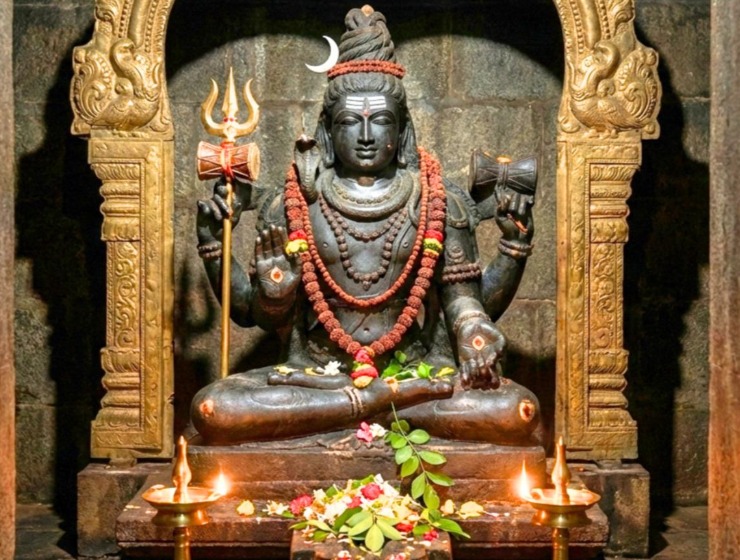
Aarogya Pasupatha Parayanam & Homam is a traditional Hindu devotional ritual dedicated to Lord Shiva in his form as Pashupati, the Lord and protector of all living beings. The word Aarogya refers to health and well-being, while Pasupatha is associated with Lord Shiva and the sacred Pasupatha tradition.
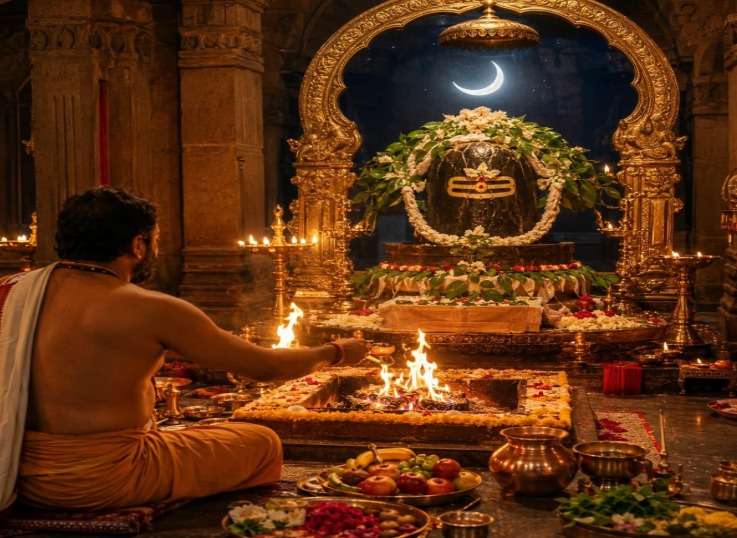
This ritual combines two important elements: Parayanam, the devoted recitation of prescribed Pasupatha mantras, and Homam, the offering of prescribed materials into a sacred fire while the mantras are chanted. Together, these practices are traditionally performed as prayers for health, recovery, strength, longevity and protection.
Families may choose Aarogya Pasupatha Parayanam & Homam when a loved one is experiencing illness, during a period of recovery, around medical treatment, or as a devotional prayer for the long-term well-being of family members. Traditional practitioners also associate the ritual with peace of mind, courage and spiritual strength during difficult circumstances.
At Veda Gayathri, Aarogya Pasupatha Parayanam & Homam can be presented as a traditional Shiva-centered prayer ceremony performed according to the appropriate ritual procedure and family requirements.
What Is Aarogya Pasupatha Parayanam & Homam?
Aarogya Pasupatha Parayanam & Homam is a combined devotional practice centered on Lord Shiva as Pashupati.
The ceremony consists broadly of two interconnected parts:
Pasupatha Parayanam
Parayanam means the dedicated and systematic recitation of sacred texts or mantras. In this ritual, Pasupatha mantras are recited with devotion and traditional pronunciation.
The parayanam forms an important part of the ceremony because the prayers are traditionally directed toward Shiva’s protective and benevolent aspects.
Pasupatha Homam
The second part is the Homam, in which a sacred fire is established and prescribed offerings are made into Agni while appropriate mantras are chanted.
The intention is to offer the prayers and Sankalpam through the sacred fire while seeking the blessings of Lord Shiva.
Thus, the Parayanam and Homam work together as parts of one devotional ceremony.
Meaning of Aarogya Pasupatha
The term Aarogya is associated with health and freedom from illness.
Pasupatha refers to the tradition and mantras associated with Lord Shiva as Pashupati.
Pashupati is traditionally understood as:
- Pashu – living beings
- Pati – Lord or protector
Thus, Pashupati is understood as the Lord of all beings.
In the context of Aarogya Pasupatha worship, Shiva is approached as a compassionate protector and divine presence to whom devotees offer prayers for health, strength and well-being.
Who Is Lord Pashupati?
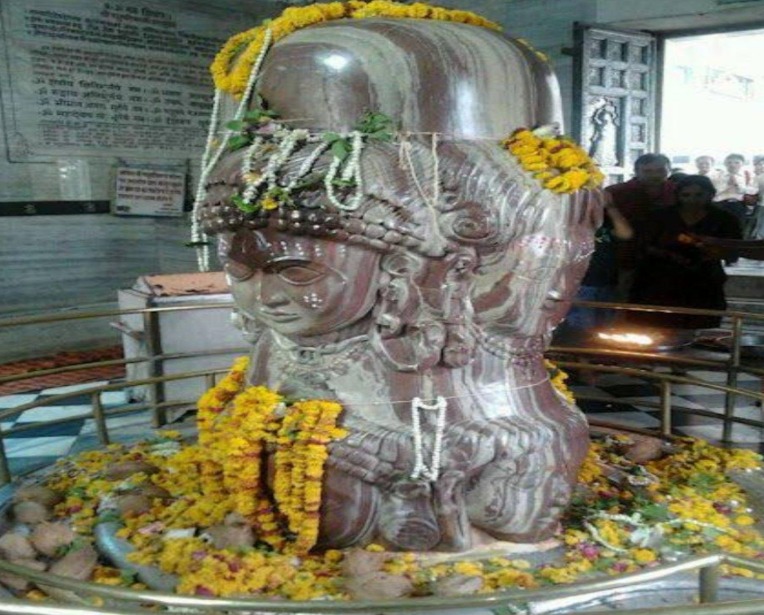
Lord Shiva has many names and forms in Hindu tradition, and Pashupati is one of his important names.
As Pashupati, Shiva is traditionally viewed as the Lord and protector of living beings.
Devotees approach this form of Shiva with prayers for:
- Protection
- Strength
- Peace
- Well-being
- Longevity
- Relief from suffering
- Spiritual guidance
The Pashupati aspect is especially meaningful in a ritual such as Aarogya Pasupatha because the ceremony focuses on prayers for the welfare and well-being of a person or family.
Significance of Aarogya Pasupatha Parayanam & Homam
Aarogya Pasupatha Parayanam & Homam has a special place among traditional devotional practices connected with health and well-being.
Families may perform the ritual when they wish to make a sincere prayer for a loved one’s recovery or strength.
Traditional purposes include:
- Praying for health and well-being
- Seeking blessings during illness
- Supporting prayers around treatment or recovery
- Seeking longevity
- Praying for strength and vitality
- Seeking protection from affliction
- Finding courage during difficult periods
- Offering collective family prayers
Traditional sources specifically describe the ritual as being sought during illness, before or after treatment, during long-standing health difficulties and for the well-being of elderly family members.
The ceremony can also provide an opportunity for family members to come together in prayer and create a peaceful devotional environment.
Why Do People Perform Aarogya Pasupatha Homam?
Different families may have different reasons for performing the ritual.
For Health and Well-Being
The primary traditional association of Aarogya Pasupatha is with prayers for health.
Families may perform the ceremony when they wish to seek divine blessings for the well-being of an individual.
During Illness
When a family member is unwell, relatives may come together to perform the parayanam and homam as a devotional prayer for strength and recovery.
Before or After Treatment
Some families perform the ritual around an important medical treatment or procedure.
The intention is traditionally to seek Shiva’s blessings, courage and protection.
This should always be understood as complementary spiritual support, not an alternative to medical care.
For Recovery
Families may perform Aarogya Pasupatha during a recovery period as an expression of gratitude and continued prayer.
For Longevity
The ritual is also traditionally associated with prayers for long life, vitality and strength.
For Elderly Family Members
Children or relatives may arrange the homam for parents or elderly family members as a prayer for their health and well-being.
Aarogya Pasupatha Homam and Health
Health is at the center of the traditional purpose of Aarogya Pasupatha Homam.
However, it is important to understand the distinction between religious prayer and medical treatment.
A homam can serve as:
- A devotional practice
- A source of emotional support
- A family prayer
- A spiritual expression of hope
- A way to seek divine blessings
It should not be presented as a cure for a disease or as a substitute for medical treatment.
If a person is ill, they should continue consulting qualified doctors and following their prescribed treatment. Traditional sources discussing this ritual likewise describe it as a prayer performed alongside medical care rather than instead of it.
Traditional Benefits of Aarogya Pasupatha Parayanam & Homam
According to traditional devotional understanding, the ceremony is associated with several spiritual and emotional benefits.
Prayer for Recovery
Families perform the ritual with the intention of seeking Shiva’s blessings for recovery from illness.
Prayer for Strength
The ceremony is traditionally performed to seek physical, mental and spiritual strength.
Longevity
Devotees may perform Aarogya Pasupatha as a prayer for long life and continued well-being.
Peace of Mind
Mantra recitation and participation in a structured religious ceremony can provide a peaceful environment for the individual and family.
Courage During Difficult Times
When a family is facing a serious health concern, collective prayer can become an important expression of hope and emotional support.
Protection
Traditional interpretations associate the worship with prayers for protection from affliction and untimely difficulties.
Spiritual Well-Being
The ritual encourages devotion, concentration, prayer and connection with Shiva.
These are traditional religious associations and should not be understood as medically proven outcomes.
Aarogya Pasupatha Parayanam and Mantra Recitation
The Parayanam is an important part of the ceremony.
It involves the devoted recitation of prescribed Pasupatha mantras associated with Lord Shiva.
Traditional practice places importance on:
- Correct pronunciation
- Proper intonation
- Appropriate rhythm
- Concentration
- Devotion
- Following the prescribed ritual procedure
The Pasupatha recitation is performed as a prayer for health, protection and well-being.
Depending on the specific ritual tradition, the ceremony may also incorporate Shiva-related mantras such as Om Namah Shivaya and the Maha Mrityunjaya Mantra. The exact mantra sequence should be determined by the priest following the relevant paddhati.
The Importance of Om Namah Shivaya
Om Namah Shivaya is one of the most well-known Shiva mantras.
It is traditionally called the Panchakshari Mantra, with the five syllables Na-Ma-Shi-Va-Ya following Om.
Devotees chant it as an expression of surrender and devotion to Lord Shiva.
During a Shiva-centered ceremony, chanting Om Namah Shivaya can help devotees maintain concentration and devotional awareness.
The exact role of the mantra within Aarogya Pasupatha Parayanam & Homam depends on the ritual tradition followed by the priest.
Aarogya Pasupatha Homam Procedure
The exact procedure can vary according to the priest, family tradition and specific Pasupatha paddhati. A general ceremony may include the following stages.
1. Preparation of the Puja Area
The place where the ceremony will be performed is cleaned and arranged.
The Homa Kundam, Kalasha, Shiva-related puja materials and other required Samagri are prepared.
2. Sankalpam
The priest makes the Sankalpam, stating the purpose of the ceremony.
The Sankalpam may include details such as:
- Name of the person
- Gotra
- Nakshatra
- Rashi
- Location
- Family details
- Purpose of the ritual
For an Aarogya Pasupatha Homam, the Sankalpam may be made for health, recovery, strength, longevity or family well-being.
3. Ganapati Puja
Lord Ganesha is traditionally worshipped at the beginning of many Hindu rituals.
The family seeks blessings for the smooth completion of the ceremony.
4. Punyahavachanam
Punyahavachanam is a traditional purification and sanctification ritual.
It may be performed to prepare the ritual space and participants for the main ceremony.
5. Kalasha Sthapana
A Kalasha is prepared and worshipped according to the prescribed procedure.
Water, mango leaves, coconut and other traditional items may be used.
The Kalasha becomes an important element of the puja arrangement.
6. Shiva Avahanam
Lord Shiva is invoked in his Pashupati aspect.
The priest performs the prescribed prayers and mantras for the main deity of the ceremony.
7. Aarogya Pasupatha Parayanam
The prescribed Pasupatha mantras are recited.
The parayanam is traditionally performed with appropriate pronunciation, intonation and devotion.
This is one of the central portions of the entire ceremony.
8. Agni Pratishtha
The sacred fire is established in the Homa Kundam.
The fire becomes the central medium for the homam offerings.
9. Aarogya Pasupatha Homam
Prescribed offerings are made into the sacred fire while the relevant mantras are chanted.
The offerings may include ghee, grains, herbs and other Homa Dravyas depending on the ritual procedure.
The Homam is traditionally understood as an offering of the devotee’s Sankalpam and prayers through Agni.
10. Additional Shiva-Related Prayers
Depending on the particular ritual format, additional Shiva-related recitations or homams may be included.
For example, some detailed procedures incorporate other health-oriented or protective prayers alongside the principal Pasupatha ritual.
11. Purnahuti
Purnahuti is the concluding major offering into the sacred fire.
It marks the completion of the principal homam.
12. Aashirvachanam and Prasadam
The priest offers blessings to the family.
Prasadam and, according to the tradition, Vibhuti may be distributed at the conclusion of the ceremony.
Aarogya Pasupatha Homam Samagri
The exact Samagri list varies depending on the ritual tradition.
Commonly used materials can include:
- Homa Kundam
- Samidhas
- Cow ghee
- Black sesame
- Rice
- Homa Dravyas
- Camphor
- Dry coconut
- Darbha grass
- Kalasha
- Mango leaves
- Coconut
- Shiva idol or photograph
- Bilva leaves
- Flowers
- Turmeric
- Kumkum
- Sandalwood
- Lamps
- Oil or ghee
- Wicks
- Incense
- Fruits
- Sweets for Naivedyam
- Vibhuti
A published Aarogya Pasupatha Samagri checklist specifically includes Homa Kundam and Samidha, ghee, black sesame, rice, Homa Dravyas, Darbha, Kalasha materials, Shiva worship items and Bilva leaves.
Because requirements can differ, the final list should be confirmed with the priest conducting the ceremony.
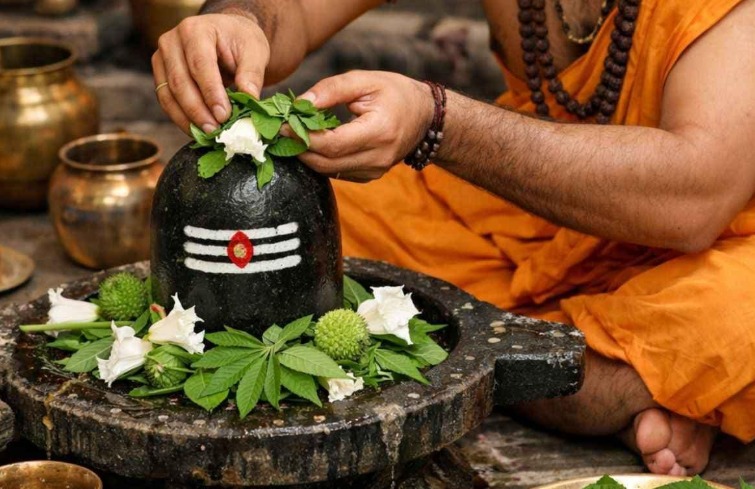
Importance of Bilva Leaves in Shiva Worship
Bilva leaves, also known as Bel or Maredu leaves, have a special place in traditional Shiva worship.
They are commonly offered to Lord Shiva during Puja and Abhishekam.
Bilva leaves may also be included in Aarogya Pasupatha worship depending on the ritual procedure.
Offering Bilva is considered by devotees to be an expression of reverence and devotion toward Shiva.
Aarogya Pasupatha Homam for a Sick Person
Families may perform the homam specifically for someone who is experiencing illness.
The Sankalpam can be made in the person’s name, and family members may participate in the prayers.
The ceremony can offer an opportunity for the family to:
- Come together
- Pray for the person’s well-being
- Seek spiritual strength
- Express hope
- Seek Shiva’s blessings
- Maintain a peaceful environment
If the person is unable to attend because of their condition, the family can discuss the appropriate procedure with the priest.
Most importantly, the ritual should be performed alongside appropriate medical care.
Aarogya Pasupatha Homam During Medical Treatment
Some families choose to perform Aarogya Pasupatha Parayanam & Homam before or after an important medical treatment or procedure.
Traditionally, the prayer may be intended for:
- Courage
- Strength
- Peace
- Protection
- Recovery
- Family well-being
The timing should be planned so that the religious ceremony does not interfere with medical appointments, treatment schedules or recovery requirements.
Medical advice should always take priority for health decisions.
Aarogya Pasupatha Homam for Elderly People
The ritual is also traditionally performed for elderly family members.
Children or relatives may arrange the ceremony as a prayer for:
- Longevity
- Strength
- Health
- Peace
- Family blessings
If an elderly person has mobility limitations, they do not necessarily need to participate physically in every part of the ceremony. The priest and family can determine an appropriate arrangement.
Aarogya Pasupatha Homam for Family Well-Being
Although the Sankalpam may be made for one particular person, the ceremony can also become a collective family prayer.
Family members can participate by:
- Sitting during the Parayanam
- Listening to the mantras
- Offering flowers
- Performing Namaskaram
- Participating in Aarti
- Receiving Prasadam
Collective participation can make the ceremony a meaningful spiritual experience for the entire household.
When Is Aarogya Pasupatha Homam Performed?
There is no single universally applicable date for every Aarogya Pasupatha Homam.
The appropriate Muhurtham can depend on:
- Purpose of the ceremony
- Person for whom it is being performed
- Family tradition
- Panchangam
- Priest’s guidance
- Availability of the family
Some traditional practitioners give importance to Mondays and Pradosham for Shiva-related worship, while the most appropriate timing for a specific Sankalpam should be confirmed with the priest.
The ceremony can also be arranged around significant occasions such as:
- Recovery milestones
- Birthdays
- New beginnings
- Important family occasions
- Periods of illness
How Long Does Aarogya Pasupatha Homam Take?
The duration depends on the number of recitations and the complete ritual format.
A basic Parayanam and Homam may take approximately 2–3 hours, although the actual duration can vary according to the Sankhya, additional prayers and the priest’s procedure.
Some elaborate formats may include additional rituals, which can extend the overall duration.
It is therefore best to confirm the expected duration when finalizing the Muhurtham.
Aarogya Pasupatha Homam at Home
Families may choose to perform the ritual at home.
A suitable home setup should include:
- Clean puja area
- Adequate ventilation
- Safe space for the Homa Kundam
- Seating for participants
- Required Samagri
- Qualified priest
Because the ceremony involves an open sacred fire, appropriate fire-safety precautions should always be followed.
The priest can guide the family regarding the required setup and materials.
Aarogya Pasupatha Homam at a Temple or Sacred Place
Some families prefer performing the ceremony at a Shiva temple or another sacred location.
A temple-based ceremony can provide:
- Traditional surroundings
- Priest support
- Established puja facilities
- Shiva worship environment
- Opportunity for Abhishekam or Archana, where available
The rituals offered differ from temple to temple, so families should confirm availability beforehand.
How to Prepare for Aarogya Pasupatha Parayanam & Homam
Proper preparation can help the ceremony proceed smoothly.
Confirm the Muhurtham
Discuss suitable dates and times with the priest.
Provide Sankalpam Details
Keep the following details ready:
- Name
- Gotra
- Nakshatra
- Rashi
- Name of the person for whom the prayer is being performed
- Purpose of the homam
Arrange the Puja Space
Keep a clean and spacious area ready.
Prepare the Samagri
Confirm the required materials with the priest rather than purchasing items based on a generic list.
Wear Clean Clothing
Participants traditionally wear clean and comfortable traditional clothing.
Maintain a Devotional Mindset
The ceremony is traditionally approached with faith, concentration and sincerity.
Difference Between Parayanam and Homam
Understanding the difference between these two terms is useful.
Parayanam
Parayanam refers to the devoted recitation of sacred texts or mantras.
In Aarogya Pasupatha Parayanam, the prescribed Pasupatha mantras are recited as prayers to Lord Shiva.
Homam
Homam is the sacred fire ritual in which prescribed offerings are made into Agni while mantras are recited.
Together
Aarogya Pasupatha Parayanam & Homam combines both practices:
Parayanam → Sacred recitation
Homam → Fire offerings
This combination forms the central structure of the ceremony.
Importance of Performing the Ritual with Proper Paddhati
Vedic and traditional Hindu rituals involve specific mantras, procedures and sequences.
The pronunciation and intonation of sacred recitations are traditionally considered important.
An experienced priest can guide the family through:
- Sankalpam
- Ganapati Puja
- Punyahavachanam
- Kalasha Sthapana
- Shiva Avahanam
- Pasupatha Parayanam
- Agni Pratishtha
- Homam
- Purnahuti
- Aashirvachanam
The exact sequence can differ according to the tradition being followed.
Frequently Asked Questions About Aarogya Pasupatha Parayanam & Homam
What is Aarogya Pasupatha Parayanam & Homam?
It is a traditional Shiva-centered devotional ceremony combining Pasupatha mantra recitation with a sacred fire ritual, traditionally performed with prayers for health, recovery, strength and longevity.
Which deity is worshipped in Aarogya Pasupatha Homam?
Lord Shiva is worshipped in his Pashupati aspect, traditionally understood as the Lord and protector of all living beings.
Why is Aarogya Pasupatha Homam performed?
Families traditionally perform it as a prayer for health, recovery, longevity, strength, peace and protection.
Can it be performed for someone who is ill?
Yes. Families may perform it as a devotional prayer during illness or recovery. It should be performed alongside appropriate medical treatment, not as a substitute for it.
Can Aarogya Pasupatha Homam be performed for elderly parents?
Yes. It may be performed as a traditional prayer for the health, strength and longevity of elderly family members.
Can it be performed at home?
Yes, provided there is a suitable and safe space for the sacred fire and an experienced priest is available.
What is the difference between Parayanam and Homam?
Parayanam is the recitation of the prescribed mantras, while Homam involves offering prescribed materials into the sacred fire while the mantras are chanted.
How long does the ceremony take?
A Parayanam and Homam may take around 2–3 hours in some traditional formats, although the duration varies according to the number of recitations and additional rituals.
What Samagri is required?
Common items include a Homa Kundam, Samidhas, ghee, grains, Homa Dravyas, Kalasha materials, Bilva leaves, flowers, lamps, fruits and other puja materials.
Is Aarogya Pasupatha Homam a medical treatment?
No. It is a religious and devotional practice. Anyone who is ill should continue receiving appropriate medical evaluation and treatment.
Aarogya Pasupatha Parayanam & Homam at Veda Gayathri
At Veda Gayathri, Aarogya Pasupatha Parayanam & Homam can be presented as a traditional Shiva-centered ceremony for families seeking prayers for health, strength, recovery, longevity and well-being.
The ceremony may include:
- Ganapati Puja
- Sankalpam
- Punyahavachanam
- Kalasha Sthapana
- Shiva Avahanam
- Aarogya Pasupatha Parayanam
- Agni Pratishtha
- Aarogya Pasupatha Homam
- Purnahuti
- Aashirvachanam
- Prasadam
The exact procedure can be customized according to the family’s tradition, the purpose of the Sankalpam and the priest’s prescribed paddhati.
For a family performing the ritual for someone who is unwell, the ceremony can serve as a meaningful expression of prayer, hope and devotion while appropriate medical care continues alongside it.
Conclusion
Aarogya Pasupatha Parayanam & Homam is a traditional Hindu devotional practice dedicated to Lord Shiva as Pashupati, combining sacred Pasupatha mantra recitation with a fire ritual.
The ceremony is traditionally performed with prayers for health, recovery, strength, longevity, peace and protection. Families may undertake it during illness, around medical treatment, during recovery or simply as a prayer for the long-term well-being of a loved one.
The Parayanam forms the recitation component, while the Homam involves offerings into the sacred fire. A typical ceremony may include Sankalpam, Ganapati Puja, Punyahavachanam, Kalasha Sthapana, Shiva Avahanam, Pasupatha Parayanam, Agni Pratishtha, Homam, Purnahuti and concluding blessings.
While the ritual has an important spiritual and devotional role, it should not be considered a substitute for medical care. For health-related concerns, qualified healthcare professionals should continue to provide appropriate diagnosis and treatment.
For families wishing to undertake this sacred Shiva-centered prayer, Veda Gayathri can help arrange Aarogya Pasupatha Parayanam & Homam according to the required traditional procedures and the family’s Sankalpam.