Introduction
A Gruhapravesham Pooja is an important Hindu housewarming ceremony performed before or during the entry into a new home. It is traditionally conducted to seek blessings for peace, prosperity, happiness, good health, and harmony for the family. Preparing the required Gruhapravesham Pooja items in advance is an important part of organizing the ceremony smoothly.
The items required for Gruhapravesham may vary depending on the rituals performed, regional customs, family traditions, and the instructions of the priest. Common items include turmeric, kumkum, rice, flowers, fruits, coconuts, Kalasha, mango leaves, lamps, incense, Pooja vessels, and Homam materials.
At Veda Gayathri, we share information about Hindu Poojas, festivals, auspicious occasions, Panchangam, and traditional practices. This complete Gruhapravesham Pooja items list can help you understand what is generally required for a traditional housewarming ceremony and prepare everything before the auspicious day.
What Is Gruhapravesham Pooja?
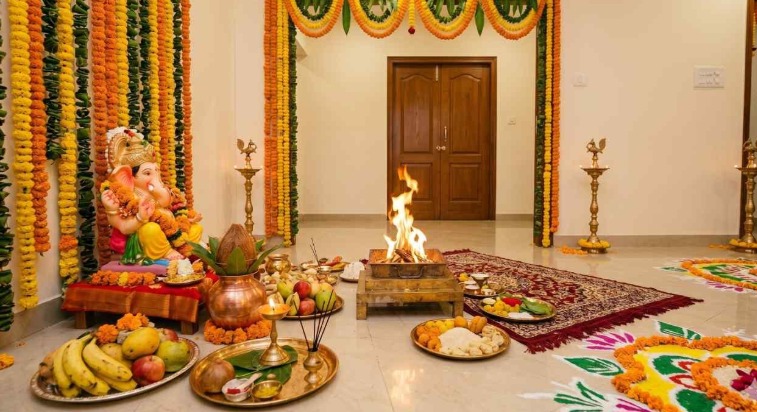
Gruhapravesham Pooja, also known as Griha Pravesh Pooja, is a traditional Hindu ceremony performed when a family enters a new house. It may be performed for a newly constructed house, newly purchased property, or a home that has undergone significant reconstruction or renovation.
The ceremony can include Ganesh Pooja, Kalasha Sthapana, Vastu Pooja, Navagraha Pooja, Homam, purification rituals, and the main house-entry ceremony.
The exact procedure differs between communities and regions. Therefore, the Pooja items needed for one Gruhapravesham may not be exactly the same as those required for another.
Why Is It Important to Prepare Gruhapravesham Pooja Items in Advance?
Preparing the Pooja materials before the ceremony helps the family avoid last-minute confusion. Some items may be difficult to arrange on the morning of the Gruhapravesham, especially if the ceremony starts early.
A complete checklist also makes it easier for the priest to perform each ritual without interruptions. Items such as flowers, fruits, coconuts, mango leaves, and milk should ideally be purchased close to the ceremony so that they are fresh.
It is also useful to separate the materials into categories such as basic Pooja items, Kalasha items, Homam materials, offerings, kitchen items, and decoration materials.
Complete Gruhapravesham Pooja Items List
A general Gruhapravesham Pooja Samagri list may include the following items:
- Turmeric powder
- Kumkum
- Sandalwood paste
- Rice
- Akshata
- Flowers
- Flower garlands
- Coconuts
- Fruits
- Betel leaves
- Betel nuts
- Incense sticks
- Camphor
- Cotton wicks
- Oil
- Ghee
- Pooja lamps
- Matchbox
- Pooja plates
- Small bowls
- Spoon
- Bell
- Kalasha
- Mango leaves
- New cloth
- Sacred thread
- Sweets
- Dry fruits
- Jaggery
- Milk
- Water
- Coins
- Panchapatra and Uddharini
- Pooja books or printed mantras if required
- Homam materials, if Homam is included
The priest may provide an additional list depending on the specific rituals planned for the Gruhapravesham ceremony.
Basic Pooja Items for Gruhapravesham
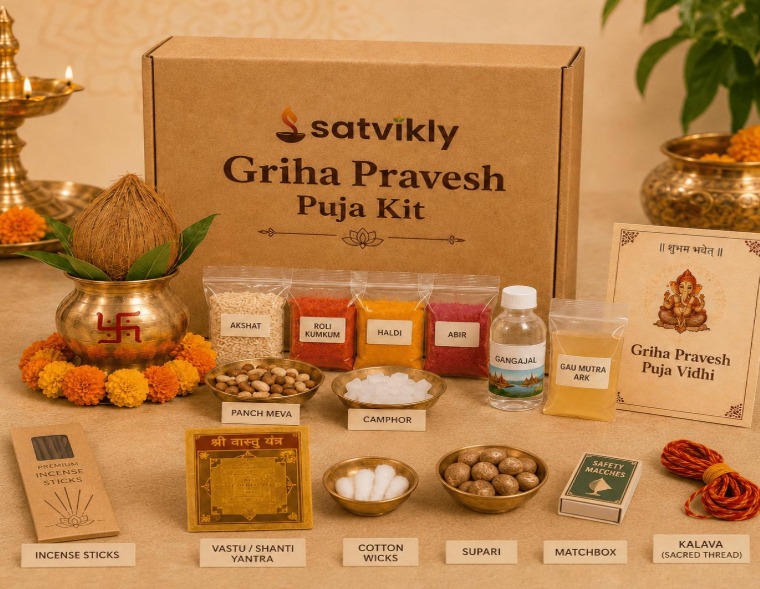
Basic Pooja materials are used throughout different stages of the ceremony. These include turmeric, kumkum, sandalwood, rice, Akshata, flowers, incense sticks, camphor, lamps, oil or ghee, cotton wicks, and sacred threads.
Turmeric and kumkum are commonly used during Hindu rituals and are placed on Pooja items, Kalasha, coconuts, and other auspicious objects.
Rice is used for Akshata and other offerings. Fresh flowers and garlands are used to decorate the Pooja area and offer to the deities.
A Pooja plate or several small plates and bowls are also useful for organizing the materials.
Kalasha Items Required for Gruhapravesham
The Kalasha is an important element in many Hindu Poojas. During Gruhapravesham, a Kalasha may be prepared and worshipped as part of the ceremony.
Common Kalasha-related items include:
- Copper, brass, or silver Kalasha
- Clean water
- Mango leaves
- Coconut
- Turmeric
- Kumkum
- Rice
- Flowers
- Coins
- New cloth, if required
- Sacred thread
The exact method of preparing the Kalasha varies according to the ritual tradition followed by the family.
It is advisable to ask the priest whether a particular type or size of Kalasha is required for the ceremony.
Flowers and Garlands for Gruhapravesham Pooja
Fresh flowers are an essential part of many Hindu Poojas. They can be offered during the rituals and used to decorate the house and Pooja area.
Commonly used flowers may include:
- Marigold
- Jasmine
- Rose
- Chrysanthemum
- Lotus, where available
- Other locally available traditional flowers
Flower garlands can be used for decorating the entrance, Pooja area, Kalasha, and deities.
The quantity of flowers required depends on the size of the ceremony and the number of rituals being performed.
Fruits and Offerings Required for Gruhapravesham
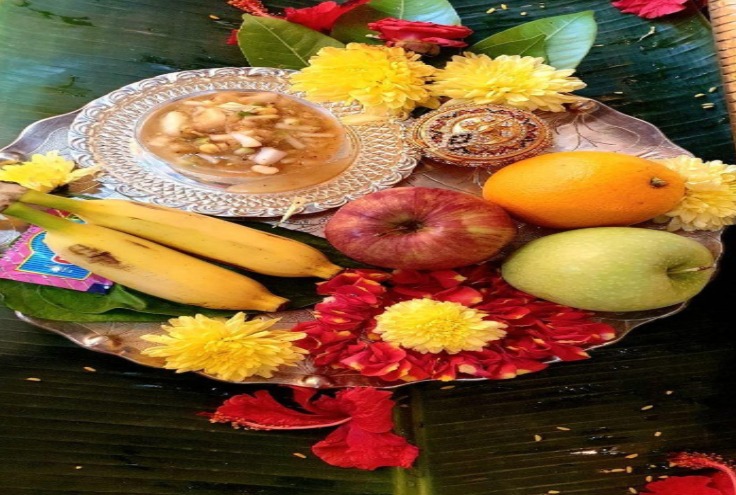
Fruits are commonly offered as Naivedyam during Hindu ceremonies. Fresh seasonal fruits can be purchased for the Gruhapravesham Pooja.
Common choices include:
- Bananas
- Apples
- Oranges
- Grapes
- Pomegranates
- Mangoes, when in season
- Coconuts
The number and variety of fruits can vary depending on the family’s tradition and the priest’s instructions.
It is better to purchase fresh fruits close to the ceremony and keep them clean and ready for use.
Coconut and Betel Leaf Items
Coconut, betel leaves, and betel nuts are commonly used during traditional Hindu rituals.
Coconuts may be used for Kalasha preparation, offerings, and other stages of the Pooja.
Betel leaves and betel nuts may be required for different ritual offerings and can be arranged in advance.
Families should confirm the required quantity with the priest because the number of coconuts and betel leaves can depend on the specific Pooja procedure.
Turmeric, Kumkum, Rice and Akshata
Turmeric, kumkum, rice, and Akshata are among the most commonly used materials during Hindu Poojas.
Akshata generally refers to rice prepared for use in rituals, often mixed with turmeric according to regional customs.
These materials may be used during Sankalpam, Kalasha Pooja, offerings, blessings, and other parts of the ceremony.
Keep them in separate clean containers or small bowls so that they are easy to access during the Pooja.
Pooja Lamps and Lighting Items
A traditional lamp is an important part of many Hindu ceremonies.
For Gruhapravesham, arrange:
- Pooja lamp
- Oil or ghee
- Cotton wicks
- Matchbox or lighter
- Additional lamps if required
The lamp can be placed in the Pooja area according to the priest’s instructions.
Families may also use additional Diyas to decorate the entrance and other suitable areas of the house.
Incense Sticks and Camphor
Incense sticks and camphor are commonly used during Hindu Poojas.
For the Gruhapravesham ceremony, keep:
- Incense sticks
- Incense holder
- Camphor
- Camphor holder
- Matchbox or lighter
These items are small but important, so they are easily forgotten when preparing a large Pooja shopping list.
Pooja Vessels and Utensils
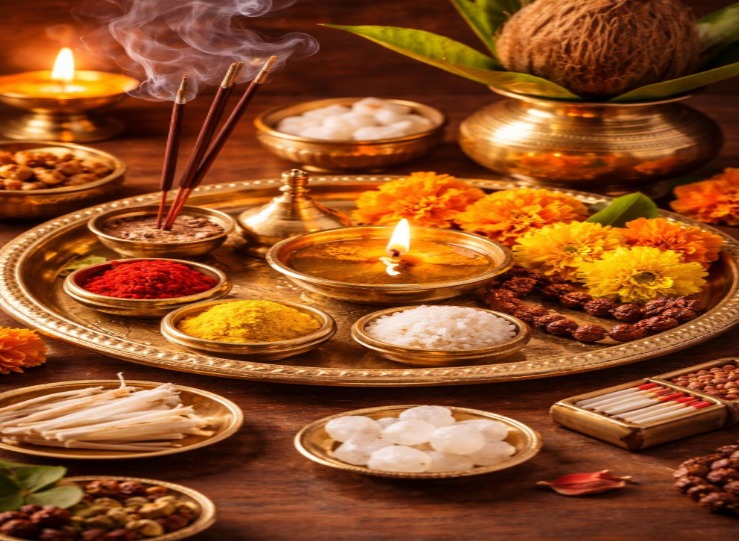
Several small vessels may be required during Gruhapravesham.
Common items include:
- Pooja plates
- Small bowls
- Spoons
- Water vessels
- Panchapatra
- Uddharini
- Kalasha
- Plates for Naivedyam
- Containers for offerings
The exact vessels required depend on the rituals being performed.
If the priest has provided a specific list, follow that list rather than purchasing unnecessary items.
Cloth and Sacred Items for Gruhapravesham
New or clean cloth may be required for certain Pooja rituals.
Depending on the ceremony, families may need:
- New cloth for the Kalasha
- Sacred thread
- New towels
- Cloth for deities
- Traditional garments for the couple or family members
The priest can clarify whether a specific color, material, or type of cloth is required according to the family’s tradition.
Homam Items for Gruhapravesham
Many Gruhapravesham ceremonies include a Homam or Havan. If a Homam is part of your ceremony, additional materials will be required.
Common Homam materials may include:
- Homa wood
- Samidha
- Ghee
- Havan Samagri
- Camphor
- Sesame seeds
- Grains
- Dried coconut
- Rice
- Jaggery
- Herbs or other ritual ingredients
The required materials can differ considerably depending on the type of Homam.
For this reason, the Homam Samagri list should always be obtained from the priest before purchasing the items.
Items Required for Ganesh Pooja
Ganesh Pooja is commonly performed at the beginning of a Gruhapravesham ceremony.
The materials may include:
- Lord Ganesha idol or picture
- Turmeric
- Kumkum
- Sandalwood
- Flowers
- Durva grass, according to tradition
- Fruits
- Coconut
- Modak or other sweets
- Rice
- Akshata
- Incense
- Camphor
- Lamp
The exact offerings can vary according to regional customs and the priest’s instructions.
Items Required for Vastu Pooja
Vastu Pooja is often performed as part of Gruhapravesham. It is traditionally associated with prayers for the home and its occupants.
The materials required depend on the particular Vastu ritual being performed. They may include common Pooja materials, Kalasha items, flowers, rice, turmeric, kumkum, fruits, coconuts, and Homam materials.
Some ceremonies may require additional items specified by the priest.
Because Vastu Pooja procedures are not identical everywhere, it is better to obtain a customized list from the priest conducting the ceremony.
Items Required for Navagraha Pooja
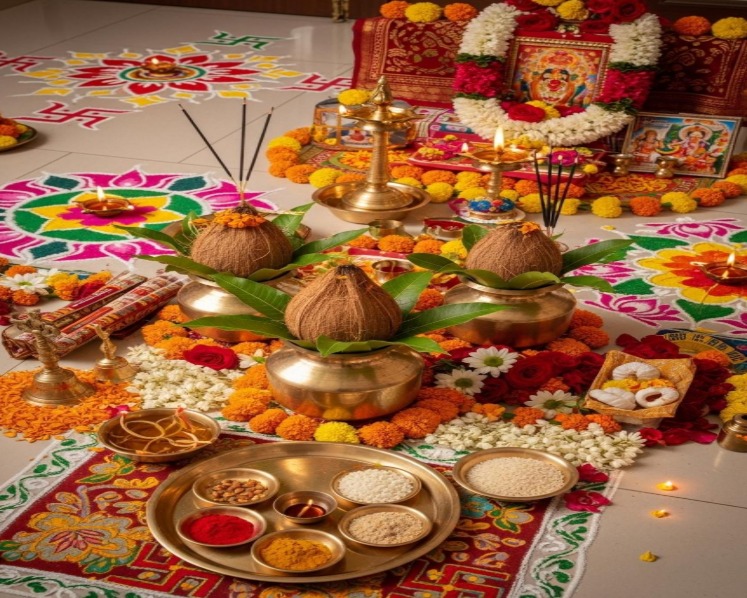
Some families include Navagraha Pooja during Gruhapravesham. If this ritual is being performed, additional materials may be required.
The priest may ask for specific grains, flowers, fruits, cloth pieces, oils, or other offerings associated with the Navagraha ritual.
The exact requirements can vary according to the tradition and procedure being followed.
Therefore, families should confirm the complete Navagraha Pooja Samagri list with the priest before shopping.
Items Required for the Milk-Boiling Ceremony
Boiling milk in the new kitchen is a popular housewarming tradition.
For this ritual, arrange:
- Fresh milk
- New or clean cooking vessel
- Stove or cooking arrangement
- Spoon
- Sugar, if required
- Pooja plate
- Traditional offerings
The exact procedure varies between families. Some families may boil plain milk, while others may prepare a sweet dish afterward.
Since the kitchen is often used for the first cooking activity after entering the house, make sure the stove, gas or electrical connection, and necessary utensils are ready.
Items Required for Naivedyam and Prasadam
Food offered during the Pooja is known as Naivedyam. After the appropriate ritual, it may be distributed as Prasadam.
Depending on family tradition, Naivedyam may include:
- Fruits
- Sweets
- Payasam
- Pongal
- Pulihora
- Coconut
- Jaggery
- Cooked rice
- Other traditional preparations
The type of Naivedyam depends on the family’s customs and the instructions given by the priest.
Gruhapravesham Decoration Items
Apart from the Pooja materials, families may need decoration items to prepare the house for the ceremony.
Common decorations include:
- Mango leaves
- Flower garlands
- Toran
- Rangoli colors
- Diyas
- Decorative lamps
- Fresh flowers
- Traditional entrance decorations
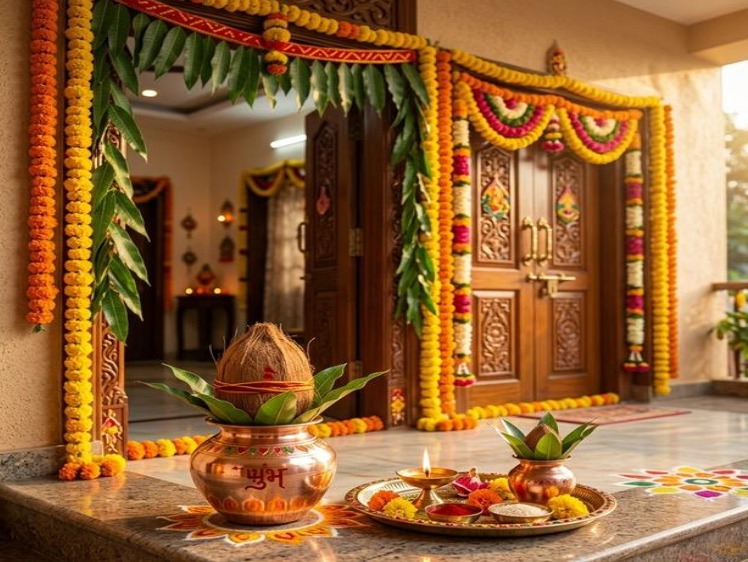
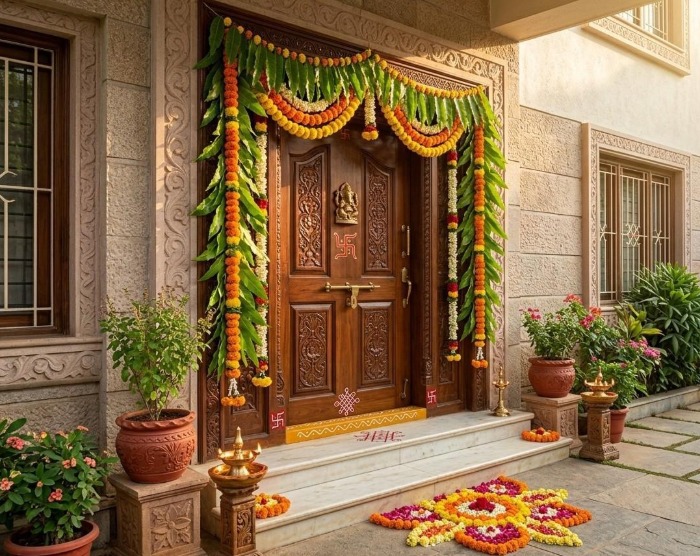
The main entrance is often decorated with flowers and mango leaves, while Rangoli or Muggu may be created near the doorway.
The decoration does not have to be elaborate. A clean and traditional arrangement can create a welcoming atmosphere.
Kitchen Items to Prepare for Gruhapravesham
The kitchen is particularly important because the family may perform the traditional milk-boiling ceremony.
Before Gruhapravesham, check that you have:
- Cooking vessel
- Milk
- Stove
- Gas or electricity connection
- Spoon
- Plates
- Bowls
- Drinking water
- Ingredients for Naivedyam
- Basic cooking utensils
Make sure the kitchen is cleaned and functional before the ceremony.
Personal Items for the Family
Family members participating in the ceremony should also prepare their personal items in advance.
These may include:
- Traditional clothes
- Towels
- Extra clothing if required
- Prayer books
- Seating mats
- Water bottles
- Personal essentials
Women may choose sarees or other traditional attire, while men may choose dhoti, kurta, or other traditional clothing.
The most important consideration is that the clothing is clean and comfortable for participating in the ceremony.
Gruhapravesham Pooja Items Checklist
Use the following checklist while preparing for the ceremony:
- Kalasha
- Coconut
- Mango leaves
- Turmeric
- Kumkum
- Sandalwood
- Rice
- Akshata
- Flowers
- Flower garlands
- Fruits
- Betel leaves
- Betel nuts
- Incense sticks
- Camphor
- Pooja lamp
- Oil or ghee
- Cotton wicks
- Matchbox
- Pooja plates
- Small bowls
- Spoons
- Water vessels
- Panchapatra and Uddharini
- Sacred thread
- New cloth, if required
- Sweets
- Jaggery
- Dry fruits
- Milk
- Naivedyam ingredients
- Homam materials, if required
- Decoration materials
- Rangoli/Muggu materials
How to Organize Gruhapravesham Pooja Items
Organizing the materials into separate groups can make the ceremony much easier.
Keep basic Pooja items together in one tray. Kalasha materials can be placed separately. Homam materials should be kept in a dedicated area so that they are easily accessible to the priest.
Fruits, coconuts, flowers, and other fresh items can be purchased shortly before the ceremony.
Kitchen items should be prepared separately because they may be needed for the milk-boiling ceremony.
It is also useful to keep a printed checklist and mark each item after purchasing it.
When Should You Buy Gruhapravesham Pooja Items?
Most non-perishable items can be purchased several days before the ceremony. These include Pooja vessels, turmeric, kumkum, incense sticks, camphor, lamps, cotton wicks, and other dry materials.
Fresh flowers, fruits, milk, mango leaves, and other perishable items should preferably be purchased closer to the ceremony.
The final shopping date depends on the availability of the items and the time of the Pooja.
Preparing the shopping list early gives you enough time to identify anything that is missing and arrange it before the Gruhapravesham day.
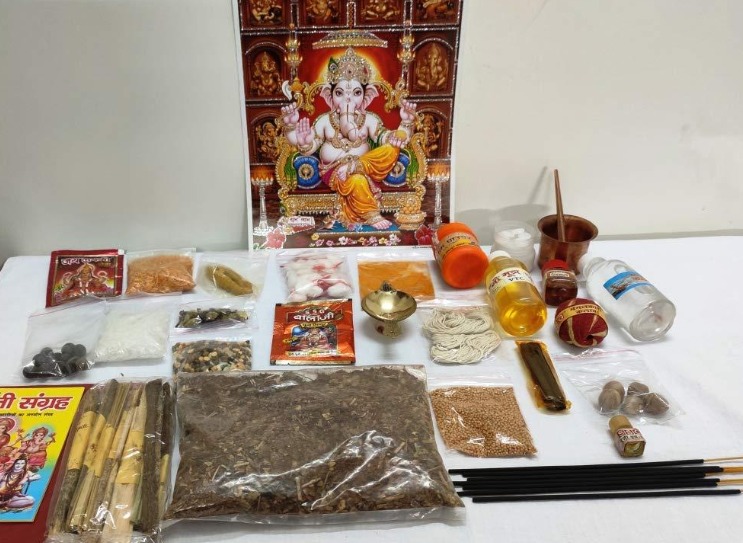
How to Get the Correct Gruhapravesham Pooja Samagri List From Your Priest
The most reliable way to prepare the complete Pooja Samagri is to ask the priest conducting your Gruhapravesham ceremony for a customized list.
Tell the priest which rituals you are planning, such as:
- Ganesh Pooja
- Vastu Pooja
- Navagraha Pooja
- Homam
- Kalasha Pooja
- Other family-specific rituals
The priest can then provide the exact quantity and type of materials required.
This is important because Pooja requirements can differ significantly between ceremonies.
Common Mistakes to Avoid When Preparing Gruhapravesham Items
One common mistake is purchasing everything based on a generic internet checklist without confirming the requirements with the priest.
Another mistake is forgetting small but essential items such as cotton wicks, camphor, matchboxes, betel leaves, or Pooja vessels.
Families should also avoid purchasing large quantities of perishable items too early.
It is better to organize the materials into categories and check everything at least one day before the ceremony.
Another useful practice is to keep extra basic items such as flowers, fruits, rice, and cotton wicks available in case they are needed during the ceremony.
One-Day-Before Gruhapravesham Checklist
The day before the ceremony, check that the house is clean and ready.
Confirm the following:
- Pooja area is prepared
- Pooja materials are complete
- Kalasha is available
- Coconuts are ready
- Flowers are arranged
- Fruits are purchased
- Milk is planned
- Kitchen is ready
- Homam materials are available
- Decorations are ready
- Priest timing is confirmed
- Family members know the Muhurtham
- Guest arrangements are complete
Keeping everything ready the previous day allows the family to concentrate on the ceremony instead of shopping and organizing materials at the last moment.
Frequently Asked Questions About Gruhapravesham Pooja Items
What are the main items required for Gruhapravesham Pooja?
Common items include turmeric, kumkum, rice, Akshata, flowers, fruits, coconut, Kalasha, mango leaves, incense, camphor, lamps, oil or ghee, cotton wicks, betel leaves, betel nuts, sweets, and other materials specified by the priest.
How many coconuts are needed for Gruhapravesham?
The quantity can vary depending on the rituals being performed. It is best to confirm the required number with the priest.
Is a Kalasha required for Gruhapravesham?
A Kalasha is commonly used in traditional Hindu Poojas, including many Gruhapravesham ceremonies. The exact type and procedure should be confirmed with the priest.
What flowers are used for Gruhapravesham Pooja?
Fresh flowers such as marigold, jasmine, rose, chrysanthemum, and lotus may be used depending on availability and family tradition.
What should I buy for the milk-boiling ceremony?
Fresh milk and a clean or new cooking vessel are generally required. The kitchen should also have a working stove or cooking arrangement.
Are Homam materials required for every Gruhapravesham?
Not necessarily. Homam is included in many ceremonies, but the rituals differ according to family and regional traditions. If Homam is planned, the priest should provide the required Samagri list.
Can I use a general Gruhapravesham Pooja checklist?
A general checklist is useful for preparation, but the final list should come from the priest because the required materials and quantities vary according to the rituals.
When should I buy flowers and fruits?
Fresh flowers and fruits are generally best purchased shortly before the ceremony so that they remain fresh.
What should I do if I forget a Pooja item?
If an item is missing, inform the priest. They can advise whether an alternative can be used or whether the item is necessary for the particular ritual.
Conclusion
Preparing the Gruhapravesham Pooja items list in advance is one of the easiest ways to make a housewarming ceremony organized and stress-free. From basic materials such as turmeric, kumkum, rice, flowers, fruits, coconuts, lamps, and incense to Kalasha and Homam materials, every item should be arranged according to the rituals planned for the ceremony.
However, there is no single Pooja Samagri list that applies to every Gruhapravesham. Requirements can vary according to regional traditions, family customs, the type of Pooja, and the priest conducting the ceremony. Therefore, the general checklist should be used as a starting point, while the final list should be confirmed with the priest.
With the house cleaned, the Pooja area prepared, the required materials organized, and the family ready for the auspicious occasion, Gruhapravesham can become a beautiful and memorable beginning to life in a new home.
Veda Gayathri provides information about Hindu Poojas, festivals, auspicious dates, Panchangam, traditions, and spiritual practices to help families prepare for and understand important ceremonies such as Gruhapravesham.