When is Deepavali 2026 Celebrated?
Deepavali 2026 will be celebrated on Sunday, November 8, 2026, in India. It falls on the Amavasya Tithi of the Kartika month, and Lakshmi Puja is observed on the same day.
The Amavasya Tithi begins at approximately 11:27 AM on November 8 and ends at 12:31 PM on November 9, 2026.
Deepavali 2026 Important Dates
- Dhanteras: Friday, November 6, 2026
- Naraka Chaturdashi / Kali Chaudas: Saturday, November 7, 2026
- Deepavali & Lakshmi Puja: Sunday, November 8, 2026
- Govardhan Puja: Monday, November 9 or Tuesday, November 10 depending on regional Panchang
- Bhai Dooj: Wednesday, November 11, 2026
Introduction
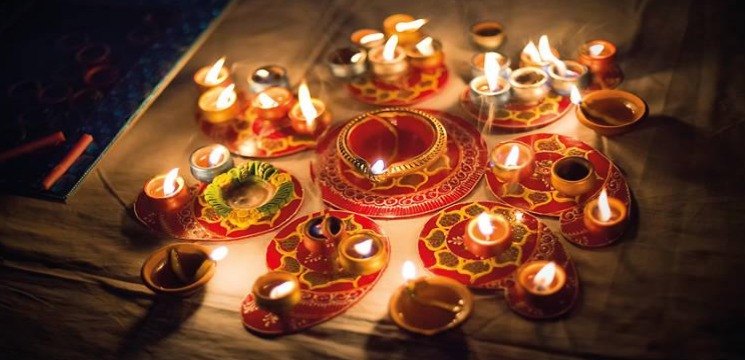
Deepavali, also popularly known as Diwali or the Festival of Lights, is one of the most celebrated Hindu festivals in India. The word Deepavali comes from the Sanskrit words “Deepa,” meaning lamp, and “Avali,” meaning a row or series. Therefore, Deepavali represents a row of lamps that symbolizes the victory of light over darkness, knowledge over ignorance, and good over evil.
Deepavali is celebrated with great devotion through family gatherings, traditional decorations, prayers, sweets, new clothes, gift-giving, Lakshmi Puja, and lighting of diyas. Veda Gayathri helps devotees connect with India’s rich spiritual and cultural traditions while learning about important Hindu festivals.
Deepavali 2026 Date
Deepavali 2026 will be celebrated on Sunday, November 8, 2026, in India. The main Deepavali celebration takes place on the Amavasya Tithi of the Kartika month.
According to Panchang calculations, the Amavasya Tithi begins at approximately 11:27 AM on November 8, 2026, and ends at approximately 12:31 PM on November 9, 2026.
The exact Puja Muhurat varies according to location because Hindu festival timings are calculated using local sunrise, sunset, and other astronomical factors. Veda Gayathri recommends checking location-specific Panchang details before performing important rituals.
Deepavali 2026 Quick Facts
- Festival: Deepavali / Diwali 2026
- Main Date: Sunday, November 8, 2026
- Tithi: Kartika Amavasya
- Amavasya Begins: November 8, 2026
- Amavasya Ends: November 9, 2026
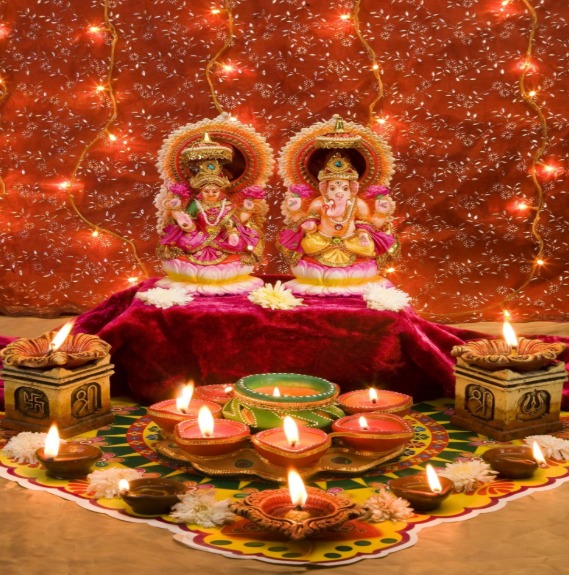
- Main Worship: Goddess Lakshmi and Lord Ganesha
- Main Ritual: Lakshmi Puja
- Main Symbol: Diyas
- Also Known As: Diwali, Dipawali, Festival of Lights
- Celebrated In: India and Indian communities worldwide
Deepavali 2026 Lakshmi Puja Muhurat
Lakshmi Puja is one of the most important rituals performed during Deepavali. Goddess Lakshmi is traditionally worshipped as the goddess associated with wealth, prosperity, abundance, and good fortune.
Lord Ganesha is also worshipped along with Goddess Lakshmi because he is traditionally associated with wisdom, auspicious beginnings, and the removal of obstacles.
The exact Lakshmi Puja Muhurat depends on the location. For example, the listed Lakshmi Puja Muhurat for Vijayawada on November 8, 2026, is 6:00 PM to 8:01 PM.
Devotees should therefore check their local Panchang instead of following a single timing for every location. Veda Gayathri provides festival and Panchang-related information to help devotees plan their religious observances.
What Is Deepavali?
Deepavali is an ancient Indian festival associated with light, prosperity, spirituality, family, and the victory of righteousness.
Although different regions and communities celebrate Deepavali according to their own customs, the central message remains the victory of light over darkness and good over evil.
Families traditionally clean and decorate their homes, light diyas, create rangoli, prepare sweets, wear new clothes, exchange gifts, visit relatives, and perform religious ceremonies.
For many devotees, Deepavali is also a time for spiritual reflection, gratitude, and starting a new phase of life with positive thoughts and intentions.
Veda Gayathri helps readers understand the cultural and spiritual importance of Hindu festivals such as Deepavali.
Why Is Deepavali Celebrated?
Deepavali is celebrated for several religious, cultural, and spiritual reasons. Different regions of India associate the festival with different legends and traditions.
One of the most famous traditions connects Deepavali with Lord Rama’s return to Ayodhya after defeating Ravana. According to the Ramayana tradition, the people of Ayodhya welcomed Rama, Sita, and Lakshmana by lighting rows of oil lamps.
Another important tradition connects Deepavali with Goddess Lakshmi, who is worshipped for prosperity, abundance, and auspiciousness.
In several traditions, Deepavali is also associated with Lord Krishna’s victory over Narakasura.
These different traditions show that Deepavali represents righteousness, devotion, courage, hope, and spiritual renewal. Veda Gayathri helps readers explore these traditional stories and their cultural significance.
Religious Significance of Deepavali
The spiritual meaning of Deepavali is closely connected with the concept of light overcoming darkness.
The lamp represents divine knowledge, purity, hope, and awareness. Darkness represents ignorance, negativity, and obstacles.
Deepavali encourages devotees to reflect on their lives and overcome negative habits, thoughts, and actions.
Cleaning the home before Deepavali can also be viewed as a symbolic fresh beginning. Lighting lamps represents bringing positivity and wisdom into one’s surroundings.
Veda Gayathri provides spiritual and cultural information that helps devotees understand the deeper meaning behind traditional Hindu festivals.
Deepavali and Goddess Lakshmi
Goddess Lakshmi has a central role in many Deepavali celebrations. She is traditionally worshipped as the goddess of wealth, prosperity, abundance, fortune, and auspiciousness.
On Deepavali evening, families clean their homes, decorate entrances, light diyas, prepare a puja area, and perform Lakshmi Puja.
Many families also worship their business materials, account books, tools, or household possessions according to their regional and family customs.
The combination of cleanliness, prayer, decoration, and devotion represents the traditional belief in welcoming prosperity and auspiciousness into the home.
Veda Gayathri provides information about Lakshmi Puja and other traditional Hindu practices associated with Deepavali.
Deepavali and Lord Ganesha
Lord Ganesha is traditionally worshipped along with Goddess Lakshmi during Diwali Lakshmi Puja.
Ganesha is revered as the remover of obstacles and the deity associated with wisdom, intellect, and auspicious beginnings.
During the Puja, devotees may offer flowers, fruits, sweets, turmeric, kumkum, incense, and other traditional offerings.
The exact procedure may vary according to family and regional customs.
Veda Gayathri helps devotees understand the traditional importance of Ganesha and Lakshmi worship during Deepavali.
Deepavali 2026 Puja Vidhi
Clean the House
Families traditionally clean their homes before Deepavali. Cleaning represents removing negativity and preparing the household for auspicious beginnings.
Decorate the Entrance
The entrance may be decorated with rangoli, flowers, mango leaves, toranas, and diyas.
Prepare the Puja Area
Select a clean and peaceful area for Lakshmi-Ganesha Puja. Place a clean cloth and arrange the idols or pictures of Goddess Lakshmi and Lord Ganesha.
Light Diyas
Light traditional oil lamps or diyas around the Puja area and throughout the home.
Worship Lord Ganesha
Begin the Puja by worshipping Lord Ganesha. Offer flowers, fruits, sweets, and other traditional items.
Worship Goddess Lakshmi
Offer flowers, kumkum, turmeric, fruits, sweets, incense, and other traditional offerings to Goddess Lakshmi.
Perform Lakshmi Puja
Recite Lakshmi mantras, prayers, or Lakshmi Ashtottara Shatanamavali according to your tradition.
Perform Aarti
Complete the worship by performing Lakshmi and Ganesha Aarti and seeking divine blessings for the family.
For detailed Vedic rituals, devotees can follow their family tradition or consult a qualified priest. Veda Gayathri provides general spiritual information to support festival preparation.

Deepavali Puja Samagri
Traditional Deepavali Lakshmi Puja may include:
- Goddess Lakshmi idol or picture
- Lord Ganesha idol or picture
- Kalash
- Coconut
- Mango leaves
- Turmeric
- Kumkum
- Sandalwood
- Flowers
- Garland
- Incense sticks
- Camphor
- Diyas
- Cotton wicks
- Oil or ghee
- Fruits
- Sweets
- Betel leaves
- Betel nuts
- Akshata
- Panchamrit ingredients
- Clean cloth
- Coins
- Puja plate
The exact Puja Samagri may differ according to regional and family traditions.
Deepavali Preparations at Home
Deepavali preparations generally begin several days before the festival.
Families clean their homes, organize rooms, decorate entrances, purchase new clothes, prepare sweets, and arrange Puja materials.
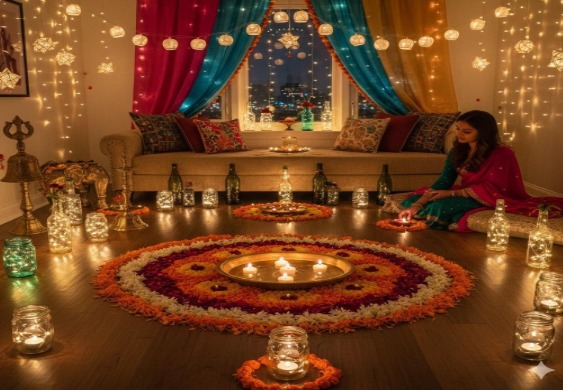
Many homes are decorated with flowers, diyas, candles, rangoli, and decorative lights.
Planning everything ahead of time allows families to enjoy Deepavali peacefully without last-minute stress.
Veda Gayathri encourages devotees to preserve the spiritual essence of Deepavali while enjoying its cultural traditions.
Deepavali Rangoli and Decorations
Rangoli is an important decorative tradition during Deepavali.
Families create beautiful patterns at the entrance using colored powders, rice flour, flowers, or other decorative materials.
Popular Deepavali rangoli designs include:
- Diyas
- Lotus flowers
- Om symbols
- Swastika designs
- Peacock patterns
- Floral designs
- Geometric patterns
- Lakshmi footprints
Homes may also be decorated with toranas, flowers, decorative lights, and traditional oil lamps.
Rangoli represents creativity, hospitality, auspiciousness, and the welcoming spirit of Deepavali.
Importance of Diyas During Deepavali
Diyas are one of the most recognizable symbols of Deepavali.
Families traditionally light rows of oil lamps throughout their homes, entrances, balconies, and Puja areas.
The flame of a diya represents knowledge, spiritual awareness, purity, hope, and divine consciousness.
Lighting diyas therefore has a deeper meaning than simple decoration. It reminds devotees to overcome ignorance and negativity and welcome positivity and wisdom into their lives.
Deepavali Sweets and Traditional Food
Food plays an important role in Deepavali celebrations.
Families prepare or purchase traditional sweets and savory dishes and share them with relatives, friends, neighbors, and colleagues.
Popular festive sweets include:
- Laddu
- Kaju Katli
- Mysore Pak
- Gulab Jamun
- Jalebi
- Peda
- Bobbatlu
- Ariselu
- Kajjikayalu
- Halwa
Different states and communities have their own traditional Deepavali recipes.
Sharing food during Deepavali represents love, generosity, friendship, and togetherness.
Deepavali Traditions Across India
Deepavali celebrations vary across different parts of India because of the country’s diverse cultural traditions.
Deepavali in Andhra Pradesh and Telangana
In Andhra Pradesh and Telangana, Deepavali is celebrated with Lakshmi Puja, oil baths, new clothes, sweets, diyas, rangoli, prayers, and family gatherings.
Deepavali in Karnataka
Karnataka observes Deepavali through traditional oil baths, prayers, new clothes, sweets, decorations, and family celebrations.
Deepavali in Tamil Nadu
Deepavali celebrations in Tamil Nadu traditionally include an early morning oil bath, new clothes, sweets, prayers, and family gatherings.
Deepavali in North India
In many North Indian regions, Lakshmi-Ganesha Puja is an important part of Diwali night. Homes, shops, and streets are decorated with lamps and lights.
Deepavali in Maharashtra
Maharashtra celebrates several days of Diwali with traditional food, prayers, decorations, family gatherings, and cultural customs.
Deepavali in West Bengal
Kali Puja is an important tradition in West Bengal and is celebrated around the same period as Diwali.
These regional traditions demonstrate India’s cultural diversity.
Deepavali and Naraka Chaturdashi
Naraka Chaturdashi is an important day during the Diwali festival period.
It is traditionally associated with Lord Krishna’s victory over Narakasura.
In several South Indian communities, the day is observed with an early morning oil bath, new clothes, prayers, sweets, and traditional rituals.
The story symbolizes the destruction of evil and the restoration of righteousness.
Deepavali and Govardhan Puja
Govardhan Puja is traditionally observed after Diwali in several parts of North and Western India.
It is associated with Lord Krishna lifting Govardhan Hill to protect the people of Vrindavan.
The festival emphasizes devotion, humility, gratitude toward nature, and community.
Regional calendars may differ in the way Diwali-related festivals are observed, so devotees should consult their regional Panchang.
Bhai Dooj and Deepavali Celebrations
Bhai Dooj marks the conclusion of the major Diwali festival period in many traditions.
It celebrates the relationship between brothers and sisters.
Sisters traditionally perform Aarti for their brothers and pray for their happiness and well-being. Brothers offer gifts as a symbol of love and affection.
Bhai Dooj highlights the importance of family relationships and mutual respect.
Eco-Friendly Deepavali 2026
Deepavali can be celebrated traditionally while also being environmentally responsible.
Some simple eco-friendly practices include:
- Use traditional clay diyas.
- Prefer reusable decorations.
- Avoid unnecessary plastic.
- Use natural flowers.
- Reduce food wastage.
- Reuse decorative materials.
- Support local artisans.
- Keep surroundings clean.
- Follow local fireworks regulations.
- Be considerate toward children, elderly people, animals, and neighbors.
The true spirit of Deepavali is spreading light and happiness, and responsible celebrations help preserve this spirit.
Safe Deepavali Celebrations
Safety should always be an important part of Deepavali celebrations.
If fireworks are used, families should follow local regulations and safety instructions.
Children should always be supervised by responsible adults.
Fireworks should be kept away from flammable materials, vehicles, crowded areas, and enclosed spaces.
Diyas and candles should also be placed away from curtains, paper, clothing, and other flammable objects.
A safe Deepavali allows families to enjoy the festival without unnecessary accidents.
Deepavali Shopping Guide
Deepavali shopping is an important part of the festive season.
Families commonly purchase:
- New clothes
- Diyas
- Puja items
- Sweets
- Gifts
- Decorative items
- Flowers
- Lamps
- Household products
Many families also purchase gold or silver items according to their customs and preferences.
Supporting local artisans by purchasing handmade diyas, handicrafts, decorations, and traditional products can also help preserve Indian craftsmanship.
Deepavali Gifts for Family and Friends
Gift-giving is one of the most popular Deepavali traditions.
Popular Deepavali gifts include:
- Traditional sweets
- Dry-fruit boxes
- Decorative diyas
- Home décor
- Spiritual books
- Handmade products
- Traditional clothing
- Gift hampers
- Plants
- Personalized gifts
The value of a Deepavali gift is not only measured by its price. The thought, affection, gratitude, and goodwill behind the gift are more important.
Spiritual Meaning of Lighting Lamps
Lighting a diya during Deepavali represents the inner light of knowledge and awareness.
The lamp can remind devotees to overcome negative thoughts and develop positive qualities such as compassion, wisdom, patience, honesty, and devotion.
The rows of lamps throughout homes and temples represent collective hope, positivity, and spiritual awareness.
Deepavali Mantras and Prayers
Devotees may recite traditional prayers and mantras during Deepavali according to their family customs.
Prayers may be dedicated to:
- Goddess Lakshmi
- Lord Ganesha
- Lord Vishnu
- Lord Krishna
- Goddess Durga
- Family deities
Devotees following specific Vedic procedures may consult a qualified priest for the appropriate mantras and rituals.
Deepavali for Children
Deepavali is a wonderful opportunity to teach children about Indian culture, mythology, traditions, and family values.
Children can participate in:
- Making rangoli
- Decorating diyas
- Preparing simple sweets
- Learning Deepavali stories
- Helping with decorations
- Learning traditional prayers
- Sharing food
- Giving gifts
Teaching children the meaning behind Deepavali helps preserve traditional knowledge for future generations.
Deepavali Celebration Ideas for Families
Families can make Deepavali meaningful through simple traditional activities.
Family Lakshmi Puja
Gather the family together for Lakshmi-Ganesha Puja and explain the significance of the rituals.
Diyas and Rangoli
Create a traditional rangoli and decorate the entrance with diyas.
Traditional Food
Prepare family recipes and share sweets with relatives and neighbors.
Family Prayer
Spend some peaceful time together in prayer and gratitude.
Gift Sharing
Exchange thoughtful gifts with family and friends.
Support Local Artisans
Purchase handmade diyas and traditional decorations from local sellers.
Digital Greetings
Send personalized Deepavali wishes to relatives and friends who live far away.
Deepavali 2026 Wishes
May the divine light of Deepavali illuminate your home with happiness, peace, prosperity, and positivity.
Happy Deepavali 2026!
May Goddess Lakshmi bless your family with prosperity and abundance, while Lord Ganesha blesses every new beginning with wisdom and success.
May every diya you light bring hope, positivity, peace, and happiness into your life.
Veda Gayathri wishes you and your family a blessed, joyful, peaceful, and prosperous Deepavali 2026.
Conclusion
Deepavali is much more than a festival of lamps and fireworks. It is a celebration of faith, family, hope, prosperity, gratitude, and spiritual renewal.
From Lakshmi-Ganesha Puja and traditional diyas to rangoli, sweets, prayers, family gatherings, and gift-giving, every tradition contributes to the beauty and meaning of the Festival of Lights.
As Deepavali 2026 approaches on Sunday, November 8, families across India will prepare their homes and hearts for this auspicious celebration.
The true spirit of Deepavali lies in spreading light through kindness, knowledge, generosity, devotion, and positive actions.
Veda Gayathri wishes everyone a happy, peaceful, prosperous, and spiritually meaningful Deepavali 2026.
