Introduction
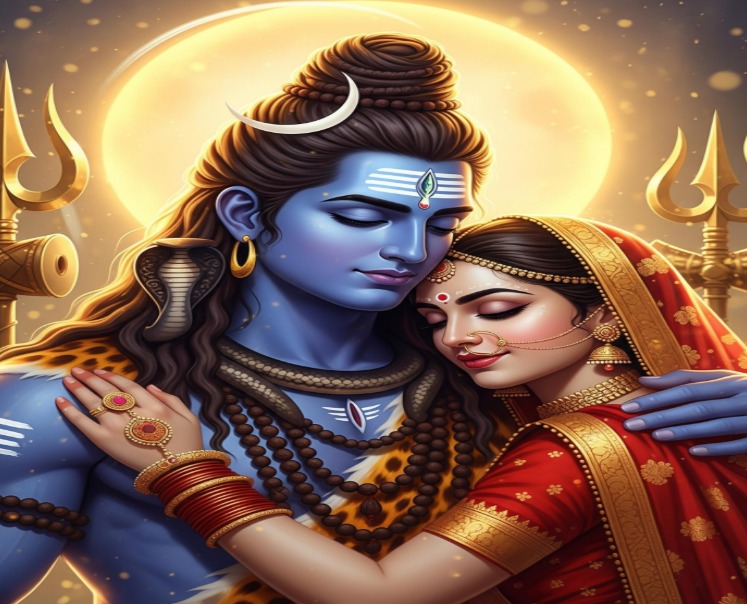
Marriage is considered an important samskara in Hindu tradition, symbolizing companionship, responsibility, family life, and spiritual partnership. In traditional Hindu worship, Goddess Parvathi is revered as an embodiment of devotion, strength, love, and marital harmony. Swayamvara Parvathi Homam is a sacred fire ritual dedicated to Goddess Parvathi in her Swayamvara form.
The word Swayamvara is traditionally associated with the idea of choosing one’s life partner. Swayamvara Parvathi worship is connected with the story of Goddess Parvathi’s devotion and tapasya for Lord Shiva. Traditional texts and devotional sources associate the Swayamvara Parvathi Mantra with prayers for marriage and a suitable life partner.
For people seeking marriage, experiencing delays in finding a suitable match, or wishing to pray for harmony in married life, this Homam is traditionally performed as an act of devotion and spiritual intention.
At Veda Gayathri, traditional Hindu pujas and homams are performed with respect for Vedic customs and individual spiritual needs. A Swayamvara Parvathi Homam can be included as part of a personalized devotional practice for those seeking divine blessings for marriage and family life.
What Is Swayamvara Parvathi Homam?
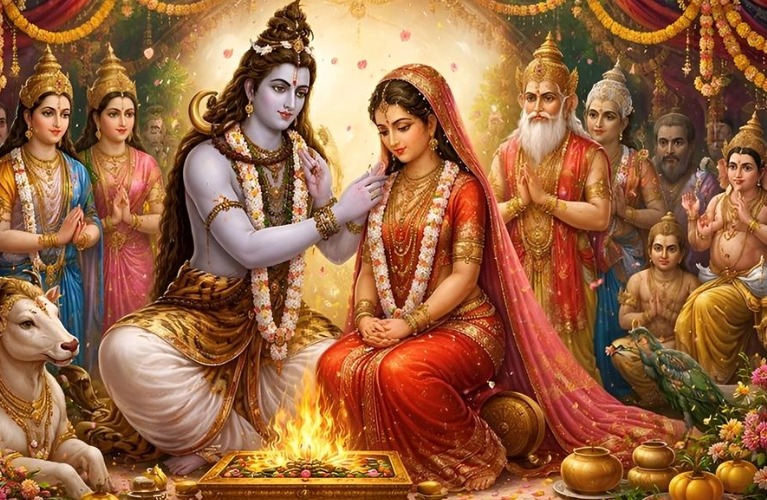
Swayamvara Parvathi Homam is a traditional Homa or Homam, meaning a sacred fire ritual in which offerings are made into consecrated fire while specific mantras are recited.
The Homam invokes Goddess Parvathi in her Swayamvara aspect. Devotees traditionally pray to her for blessings related to marriage, companionship, relationship harmony, and removal of perceived obstacles.
The ritual generally includes several components such as:
- Sankalpam or declaration of intention
- Ganapati Puja
- Kalasha Sthapana
- Invocation of Goddess Parvathi
- Chanting of Swayamvara Parvathi mantras
- Offerings into the sacred fire
- Kumkum and flower offerings
- Purnahuti
- Aarti and blessings
The exact sequence and mantras can differ according to the family’s tradition, priestly lineage, regional customs, and the purpose for which the Homam is performed. Some contemporary descriptions of the ritual similarly include Sankalpa, Ganapati Puja, Kalasha Sthapana, invocation, fire offerings, and Purnahuti.
Who Is Goddess Swayamvara Parvathi?
Goddess Parvathi is one of the most revered forms of Shakti in Hindu tradition. She is traditionally worshipped alongside Lord Shiva and is associated with devotion, strength, compassion, motherhood, and auspicious family life.
The Swayamvara Parvathi tradition focuses particularly on Parvathi’s determination and devotion toward Lord Shiva. According to devotional literature, Parvathi undertook intense tapasya with the desire to unite with Shiva. The Swayamvara Parvathi Manthra Mala Stotram is traditionally attributed to Sage Durvasa and is presented as a prayer to Parvathi concerning the choice of a husband.
This story is often understood as representing:
- Devotion and patience
- Determination
- Faith
- Spiritual discipline
- Commitment
- Divine grace
- The sacred nature of marriage
Therefore, devotees who perform Swayamvara Parvathi Homam traditionally look to Goddess Parvathi as an ideal representation of devotion and marital companionship.
Significance of Swayamvara Parvathi Homam
The primary significance of this Homam lies in devotional prayer to Goddess Parvathi for blessings related to marriage and family life.
Traditional practitioners associate Swayamvara Parvathi worship with seeking:
- A suitable life partner
- Removal of perceived obstacles in marriage
- Support during marriage-related difficulties
- Harmony between partners
- A peaceful family environment
- Strength and emotional stability
- Divine blessings before marriage
Some traditional sources specifically describe the Homam as a prayer for removing delays and seeking a worthy or harmonious life partner.
These are traditional religious beliefs, rather than scientifically established effects. The Homam can be approached as a spiritual practice that provides an opportunity for prayer, reflection, faith, and positive intention.

Why Is Swayamvara Parvathi Homam Performed?
Swayamvara Parvathi Homam is commonly performed when an individual or family wishes to offer prayers concerning marriage.
For Delayed Marriage
People who experience difficulty finding a suitable match may traditionally perform Swayamvara Parvathi Homam as a devotional practice.
The intention is to pray for the removal of perceived obstacles and for opportunities to find a compatible partner.
For Finding a Suitable Life Partner
The Homam may be performed by individuals who are looking for a suitable life partner. The devotee’s prayer can focus on finding a partner with compatible values, character, understanding, and family expectations.
Before Marriage
Families may perform the Homam before a wedding as part of their spiritual preparations and prayers for an auspicious married life.
For Marital Harmony
Swayamvara Parvathi worship is also associated in devotional sources with harmony within married life.
Couples may choose to perform prayers seeking mutual understanding, affection, patience, and peaceful family relationships.
Spiritual Connection Between Parvathi and Shiva
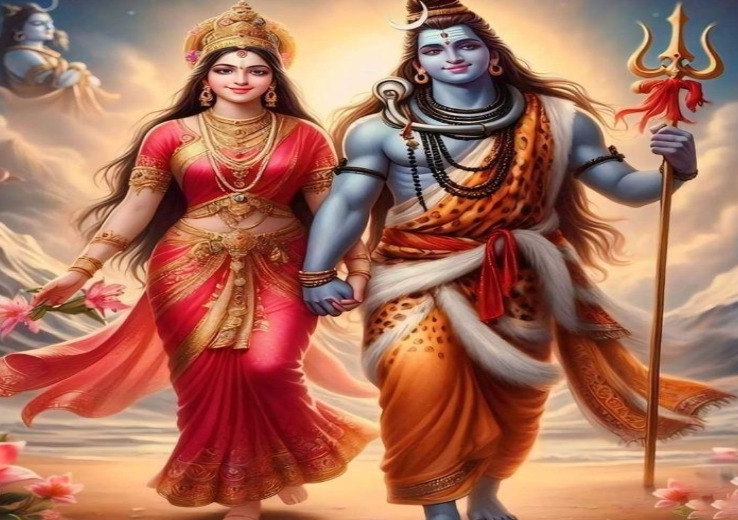
The relationship between Goddess Parvathi and Lord Shiva is one of the central themes behind Swayamvara Parvathi worship.
According to Hindu tradition, Parvathi’s devotion toward Shiva involved intense tapasya and determination. Her story is therefore frequently interpreted as an example of dedication and spiritual perseverance.
The union of Shiva and Parvathi is also represented as a divine partnership in which different aspects of existence come together.
For devotees, this symbolism can make Swayamvara Parvathi Homam particularly meaningful when praying for:
- Mutual respect
- Understanding between partners
- Emotional compatibility
- Family harmony
- Commitment
- Spiritual companionship
Swayamvara Parvathi Mantra
The Swayamvara Parvathi tradition includes a well-known mantra associated with Goddess Parvathi. One commonly published version begins:
“Om Hreem Yogini Yogini Yogeshwari Yoga Bhayankari…”
Different traditions may use variations in the wording, pronunciation, number of repetitions, and ritual application. Sources discussing the Swayamvara Parvathi tradition identify this mantra with prayers associated with marriage and Parvathi’s devotional story.
Because Sanskrit mantras can have different recensional and regional forms, it is preferable to follow the version taught by the qualified priest or spiritual tradition conducting the Homam rather than mixing different versions.
How Is Swayamvara Parvathi Homam Performed?
The exact procedure may vary depending on the tradition and purpose of the ceremony. A general traditional sequence may include the following steps.
1. Preparation of the Puja Space
The puja area is cleaned and prepared before the ceremony. A suitable place is selected for establishing the sacred fire and arranging the required puja materials.
A clean cloth, flowers, lamps, vessels, fruits, grains, and other ritual materials may be arranged.
2. Sankalpam
The priest performs the Sankalpam, which is the formal statement of the devotee’s intention.
The Sankalpam may include details such as:
- Name of the devotee
- Gotra, where applicable
- Nakshatra
- Rashi
- Purpose of the Homam
- Prayer for marriage or family harmony
The purpose is to establish a clear spiritual intention for the ritual.
3. Ganapati Puja
Lord Ganesha is traditionally worshipped at the beginning of many Hindu rituals.
Ganapati Puja is performed as an auspicious beginning and as a prayer for the smooth completion of the ceremony.
4. Kalasha Sthapana
A sacred Kalasha may be established as part of the ritual.
The Kalasha represents auspiciousness and divine presence and is commonly incorporated into Hindu pujas and homams.
5. Invocation of Goddess Parvathi
The priest invokes Goddess Parvathi through appropriate prayers, mantras, and offerings.
The devotee focuses on the intention of the Homam and seeks the Goddess’s blessings.
6. Agni Pratishtha
The sacred fire is established according to the ritual tradition being followed.
Agni occupies a central role in a Homam because offerings are traditionally made into the sacred fire while mantras are recited.
7. Swayamvara Parvathi Mantra Chanting
The prescribed Swayamvara Parvathi mantras are chanted during the ritual.
The mantra chanting is traditionally intended to invoke the grace of Goddess Parvathi and focus the devotee’s prayer toward marriage and relationship-related intentions.
8. Offerings Into the Sacred Fire
Offerings are made into the Homam fire according to the prescribed ritual procedure.
Depending on the tradition, materials can include:
- Ghee
- Grains
- Sesame
- Herbs
- Flowers
- Fruits
- Other prescribed Homa dravyas
The exact materials should be determined by the priest conducting the ceremony.
9. Kumkum Archana
Kumkum may be offered to Goddess Parvathi as part of the worship.
Flowers and other traditional offerings may also be presented while chanting appropriate names or mantras of the Goddess.
10. Purnahuti
Purnahuti is the final and complete offering made into the sacred fire.
It signifies the completion of the main Homam and the offering of the devotee’s prayer to the divine.
11. Aarti and Blessings
The ceremony concludes with Aarti, prayers, and blessings.
Participants receive the sacred offerings and seek the blessings of Goddess Parvathi.
Materials Used in Swayamvara Parvathi Homam
The required materials vary depending on the priest and tradition. Commonly used items may include:
- Homa Kundam
- Ghee
- Homa wood
- Sesame seeds
- Rice or grains
- Flowers
- Kumkum
- Turmeric
- Sandalwood
- Fruits
- Coconut
- Betel leaves
- Betel nuts
- Kalasha
- Mango leaves
- Camphor
- Incense
- Cotton wicks
- Naivedyam
- Purnahuti materials
A priest can provide the exact list before the ceremony so that the appropriate materials are available.
When Can Swayamvara Parvathi Homam Be Performed?
The appropriate date and time can depend on the purpose of the Homam and the family’s religious tradition.
Some traditions particularly associate Goddess Parvathi worship with Mondays, Fridays, Navaratri, and other auspicious occasions, although practices vary by region and tradition.
For marriage-related rituals, families may also consult a priest regarding:
- Nakshatra
- Tithi
- Vara
- Muhurtham
- Rashi
- Family tradition
- Horoscope-related considerations, if they choose to follow them
Rather than selecting a date solely from a general calendar, families can consult a qualified priest for a date appropriate to their circumstances.
Who Can Perform Swayamvara Parvathi Homam?
Swayamvara Parvathi Homam may be performed for an unmarried person seeking a life partner. It may also be performed by married couples who wish to pray for harmony and family well-being.
Depending on the ritual tradition, it can be conducted:
- For an individual
- For a bride-to-be
- For a groom-to-be
- For a couple
- By family members on behalf of someone seeking marriage
The eligibility and detailed procedure can vary between traditions, so the priest conducting the Homam should be consulted.
Swayamvara Parvathi Homam for Delayed Marriage
Marriage delays can occur for many practical, personal, social, and family-related reasons. In traditional Hindu devotional practice, some families choose Swayamvara Parvathi Homam as a spiritual observance when marriage is taking longer than expected.
The purpose is not to guarantee a particular outcome but to offer sincere prayers and maintain a positive spiritual outlook.
During such a ceremony, devotees may pray for:
- Suitable marriage opportunities
- Good compatibility
- Family acceptance
- Clarity in decision-making
- Emotional strength
- A peaceful future married life
The ritual can therefore serve as a spiritual complement to practical steps such as meeting prospective partners, communicating openly, and making thoughtful decisions.
Swayamvara Parvathi Homam for a Suitable Life Partner
Finding a suitable life partner involves more than simply getting married. Compatibility in values, communication, family expectations, lifestyle, financial responsibilities, and long-term goals can all be important.
The spiritual intention behind Swayamvara Parvathi Homam can be focused on finding a partner with qualities such as:
- Mutual respect
- Understanding
- Trust
- Responsibility
- Compassion
- Compatibility
- Commitment
Rather than focusing only on the timing of marriage, devotees may use the occasion to reflect on the qualities they value in a healthy and respectful partnership.
Traditional Benefits of Swayamvara Parvathi Homam
According to traditional devotional practices, Swayamvara Parvathi worship is associated with several marriage-related intentions.
1. Prayer for Marriage Opportunities
Devotees may perform the Homam while praying for suitable opportunities to meet a life partner.
2. Prayer for Removal of Obstacles
The ritual is traditionally performed with the intention of overcoming perceived obstacles or delays associated with marriage.
3. Seeking a Compatible Partner
Devotees may pray for a life partner who is compatible in values, character, and family life.
4. Supporting Marital Harmony
For married couples, Parvathi worship can represent prayers for mutual understanding and harmony.
5. Spiritual Peace
Participating in a structured puja and Homam can provide a meaningful opportunity for prayer, reflection, and spiritual focus.
These should be understood as traditional religious beliefs and devotional intentions, not guaranteed outcomes.
Can Swayamvara Parvathi Homam Be Performed at Home?
Depending on the tradition and scale of the ceremony, certain forms of Parvathi worship may be performed at home.
However, a Homam involves sacred fire and specific mantras and procedures. Therefore, a full Swayamvara Parvathi Homam is generally best conducted under the guidance of a knowledgeable priest familiar with the relevant ritual tradition.
If performing a small home prayer, devotees can maintain a clean puja space and offer flowers, kumkum, fruits, lamps, and prayers to Goddess Parvathi according to their family tradition.
For a formal Homam, the priest can guide the family regarding:
- Puja materials
- Fire arrangements
- Mantras
- Sankalpam
- Offerings
- Duration
- Ritual requirements
Role of the Priest in Swayamvara Parvathi Homam
A trained priest plays an important role in conducting the Homam according to the selected ritual tradition.
The priest may:
- Prepare the ritual space
- Perform Sankalpam
- Conduct Ganapati Puja
- Establish the Kalasha
- Invoke the deity
- Establish the sacred fire
- Chant the prescribed mantras
- Perform Homa offerings
- Conduct Purnahuti
- Complete the Aarti and blessings
The priest can also explain which aspects of the ritual are essential and which may vary according to regional or family customs.
How to Prepare for Swayamvara Parvathi Homam
Proper preparation can help the ceremony proceed peacefully.
Before the Homam
Participants can:
- Clean the puja area
- Arrange the required materials
- Wear clean traditional or modest clothing
- Follow any dietary restrictions advised by the priest
- Arrive or be ready before the scheduled time
- Maintain a calm and devotional mindset
During the Homam
Participants should:
- Listen to the priest’s instructions
- Maintain attention during the prayers
- Repeat mantras when instructed
- Make offerings only at the appropriate time
- Participate respectfully in the rituals
After the Homam
The family may receive:
- Prasadam
- Sacred ash, where applicable
- Kumkum
- Theertham
- Priest’s blessings
Families can continue their regular devotional practices according to their traditions.
Swayamvara Parvathi Homam and Modern Marriage Preparation
Spiritual practices can be meaningful additions to modern marriage preparation, but they do not replace practical decision-making.
Along with devotional practices, individuals should consider:
- Compatibility
- Communication
- Personal values
- Career plans
- Financial expectations
- Family responsibilities
- Lifestyle preferences
- Long-term goals
- Mutual respect
A marriage decision should be made thoughtfully by the individuals involved and their families, rather than relying solely on any ritual or astrological recommendation.
Swayamvara Parvathi Homam can instead be viewed as a spiritual practice through which devotees express their hopes and seek blessings.
Swayamvara Parvathi Homam at Veda Gayathri
At Veda Gayathri, traditional Hindu pujas and homams can be arranged with attention to the purpose and customs associated with each ceremony.
A Swayamvara Parvathi Homam can be conducted as a devotional ritual for those seeking blessings related to marriage, a suitable life partner, relationship harmony, and family well-being.
The ceremony can be planned according to the individual’s requirements, family traditions, and the guidance of the priest. From Sankalpam and Ganapati Puja to the main Homam and Purnahuti, each stage can be performed with devotion and respect for traditional practices.
Frequently Asked Questions About Swayamvara Parvathi Homam
What is Swayamvara Parvathi Homam?
Swayamvara Parvathi Homam is a traditional fire ritual dedicated to Goddess Parvathi in her Swayamvara aspect. It is commonly performed as a devotional prayer concerning marriage, finding a suitable partner, and marital harmony.
Who is Swayamvara Parvathi?
Swayamvara Parvathi refers to Goddess Parvathi in the context of her devotion and union with Lord Shiva. Her story is traditionally associated with determination, devotion, and marriage.
Is Swayamvara Parvathi Homam performed for delayed marriage?
Yes. Traditional practitioners may perform it as a devotional practice when seeking blessings for marriage opportunities or when experiencing perceived delays in marriage.
Can married couples perform Swayamvara Parvathi Homam?
Yes. Depending on the tradition, married couples may perform Parvathi worship with prayers for harmony, mutual understanding, and family well-being.
What mantra is associated with Swayamvara Parvathi?
The Swayamvara Parvathi tradition includes a Sanskrit mantra beginning with “Om Hreem Yogini Yogini Yogeshwari…” Different traditions may use variations, so the mantra should ideally be learned from a knowledgeable priest or authentic lineage.
When is the best time to perform Swayamvara Parvathi Homam?
The date depends on the individual’s purpose, family tradition, and priestly guidance. Some traditions associate Parvathi worship with Mondays, Fridays, Navaratri, and other auspicious occasions.
Can the Homam be performed at home?
A formal Homam is best performed with guidance from a knowledgeable priest because it involves sacred fire, specific mantras, and ritual procedures. Simple Parvathi prayers can also be performed at home according to one’s family tradition.
Does Swayamvara Parvathi Homam guarantee marriage?
No ritual can scientifically guarantee a particular marriage outcome. The Homam is a traditional spiritual practice through which devotees seek divine blessings and express their intentions.
Conclusion
Swayamvara Parvathi Homam is a meaningful traditional Hindu ritual dedicated to Goddess Parvathi and associated with prayers for marriage, companionship, and marital harmony. The story of Parvathi’s devotion toward Lord Shiva gives the ritual its central symbolism of patience, determination, faith, and commitment.
For those seeking marriage, the Homam can provide a spiritual setting in which to pray for a suitable and compatible life partner. For married couples, Parvathi worship can represent prayers for understanding, affection, and peaceful family life.
At Veda Gayathri, Swayamvara Parvathi Homam can be approached with devotion and respect for traditional practices, while recognizing that spiritual rituals work alongside thoughtful personal choices and practical efforts in building a fulfilling married life.