When is Raksha Bandhan 2026 Celebrated?
Raksha Bandhan 2026 will be celebrated on Friday, August 28, 2026. This auspicious Hindu festival falls on the Purnima (Full Moon) of the Shravana month, a day dedicated to celebrating the sacred bond between brothers and sisters.
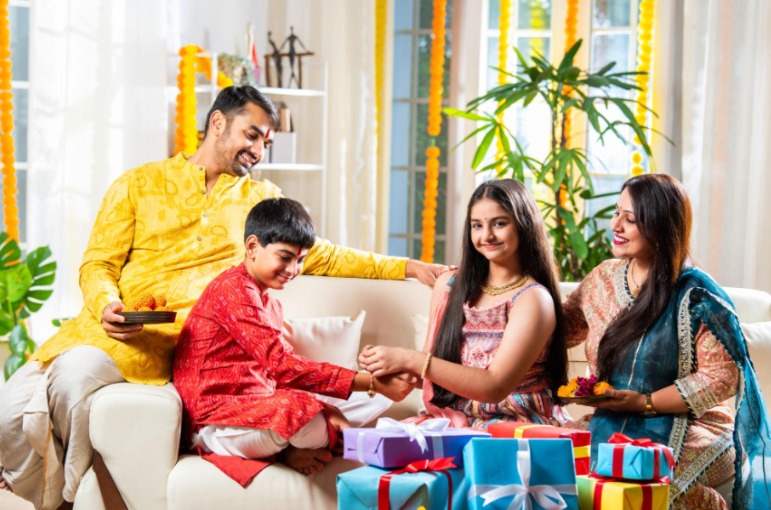
On this day, sisters tie a Rakhi around their brothers’ wrists, praying for their happiness, health, and long life. In return, brothers promise to protect and support their sisters throughout life and often express their love with gifts and blessings. Today, Raksha Bandhan is also celebrated among cousins, friends, and loved ones, symbolizing affection, trust, and lifelong relationships.

For devotees following the traditional rituals, it is recommended to tie the Rakhi during the Aparahna Muhurat (afternoon period) while avoiding the Bhadra Kaal, as tying Rakhi during Bhadra is considered inauspicious according to Hindu scriptures.
Quick Facts
Festival: Raksha Bandhan (Rakhi)
Date: Friday, August 28, 2026
Tithi: Shravana Purnima (Full Moon)
Significance: Celebrates the eternal bond of love, protection, and mutual respect between siblings.
Best Time for Rakhi Ceremony: During the Aparahna Muhurat (avoid Bhadra period).
1. Introduction to Raksha Bandhan 2026
What is Raksha Bandhan?
Raksha Bandhan, popularly known as Rakhi, is one of the most cherished Hindu festivals celebrating the sacred bond of love, protection, trust, and lifelong support between brothers and sisters. On this auspicious occasion, a sister ties a sacred thread called Rakhi or Raksha Sutra around her brother’s wrist and prays for his health, happiness, prosperity, and well-being. In return, the brother promises to protect, support, and care for his sister throughout life.
The festival is traditionally observed on the Shravana Purnima, the full moon day of the Hindu month of Shravana (Sravana Masam). The celebration includes Tilak, Aarti, prayers, Rakhi tying, sweets, gifts, and blessings from elders.
At Veda Gayathri, Raksha Bandhan is viewed as a sacred occasion that combines family love with devotion, Vedic traditions, and the spiritual values of Sanatana Dharma.
Why is Raksha Bandhan Celebrated?
Raksha Bandhan is celebrated to honor the beautiful relationship between siblings and to strengthen the values of love, responsibility, gratitude, and mutual protection. The Rakhi symbolizes a sacred promise of care and affection.
Beyond family relationships, the deeper meaning of Raksha Bandhan teaches devotees to protect Dharma, respect relationships, practice compassion, and seek divine blessings. At Veda Gayathri, the festival is celebrated as an opportunity to bring families together through authentic traditions, prayers, and spiritual practices.

2. Raksha Bandhan 2026 Date and Muhurat
Date and Tithi
Raksha Bandhan 2026 will be celebrated on Friday, 28 August 2026, on the auspicious occasion of Shravana Purnima.
The festival date and ritual timings may vary depending on the location and local Panchang. Therefore, devotees should check their regional Panchang before performing the Rakhi ceremony.
At Veda Gayathri, devotees are encouraged to follow traditional Vedic practices and seek guidance from experienced priests when selecting an auspicious time for their Raksha Bandhan rituals.
Rakhi Tying Muhurat
The Rakhi should ideally be tied during an auspicious Muhurat after completing the necessary prayers and rituals. The sister performs Tilak and Aarti before tying the Rakhi on her brother’s wrist.
Devotees should select the Muhurat according to their local Panchang because auspicious timings differ based on geographical location. Veda Gayathri helps devotees understand and follow authentic Vedic traditions while performing sacred rituals.
Bhadra Kaal
According to Hindu traditions, Rakhi should generally not be tied during Bhadra Kaal, as this period is considered unsuitable for certain auspicious ceremonies.
Devotees should wait until Bhadra ends and perform the Rakhi ceremony during the recommended Shubh Muhurat. At Veda Gayathri, devotees can seek guidance from knowledgeable Vedic priests to follow the appropriate Muhurat and traditional practices.
3. Significance, History, and Mythological Stories
Spiritual Significance
The spiritual significance of Raksha Bandhan extends beyond the relationship between a brother and sister. The sacred Raksha Sutra represents protection, faith, responsibility, love, and the commitment to follow Dharma.
The festival reminds devotees that true protection comes through divine grace, righteous actions, family unity, compassion, and devotion. At Veda Gayathri, Raksha Bandhan is considered an opportunity to strengthen both family relationships and one’s spiritual connection with the Divine.
Mythological Stories
Several stories from Hindu traditions are associated with the concept of Raksha Bandhan and the sacred protection offered through a Raksha Sutra.
One popular story describes how Goddess Indrani tied a sacred thread to Lord Indra and prayed for his protection and victory. Another well-known tradition connects Lord Krishna and Draupadi, where Draupadi’s act of compassion toward Krishna became a symbol of their sacred bond.
The story of Goddess Lakshmi and King Bali is also associated with Raksha Bandhan. According to tradition, Goddess Lakshmi tied a sacred thread to King Bali and accepted him as a brother.
These stories highlight the importance of love, devotion, protection, and selfless relationships. Veda Gayathri encourages devotees to understand the spiritual values behind these traditions rather than viewing Raksha Bandhan only as a social celebration.
Importance of Raksha Sutra
The Raksha Sutra is a sacred symbol of protection and blessings. When a Rakhi is tied with sincere prayers, it represents wishes for good health, prosperity, happiness, and divine protection.
Spiritually, the thread also reminds the wearer to follow Dharma and live with righteousness, responsibility, and compassion. At Veda Gayathri, sacred threads used in Vedic rituals are treated with devotion and respect, reflecting the importance of traditional spiritual practices.
- Raksha Bandhan Puja Samagri and Preparations
Puja Materials
The following items are commonly used for Raksha Bandhan Puja:
- Rakhi or Raksha Sutra
- Kumkum
- Turmeric
- Akshata (sacred rice)
- Diya
- Incense sticks
- Flowers
- Fruits
- Sweets
- Coconut
- Kalash
- Sandalwood
- Aarti plate
These materials symbolize purity, prosperity, devotion, and divine blessings. At Veda Gayathri, devotees are encouraged to arrange all Puja Samagri before beginning the ceremony so that the rituals can be performed peacefully and without interruption.
Home and Puja Area Preparation
Before Raksha Bandhan, families traditionally clean and decorate their homes and Puja areas. Cleaning symbolizes the removal of negativity and the welcoming of positive and auspicious energy.
The Puja area can be decorated with fresh flowers, rangoli, mango leaves, lamps, and traditional decorations. Images or idols of Lord Ganesha, Lord Vishnu, Goddess Lakshmi, or the family deity may be placed in the Puja area.
Veda Gayathri recommends creating a clean and peaceful environment for worship, as physical cleanliness and mental purity are important aspects of Hindu spiritual traditions.
5. Raksha Bandhan Puja Vidhi and Rituals
Step-by-Step Puja
A simple Raksha Bandhan Puja can be performed by following these steps:
- Clean the Puja area and prepare the required materials.
- Light a Diya and incense.
- Offer prayers to Lord Ganesha to remove obstacles.
- Perform a Sankalp for the well-being and prosperity of the family.
- Apply Tilak to the brother’s forehead.
- Place Akshata on the Tilak.
- Tie the Rakhi on the brother’s wrist.
- Chant the Raksha Mantra and offer prayers.
- Perform Aarti.
- Offer sweets and Prasadam.
- Exchange gifts and seek blessings from elders.
At Veda Gayathri, devotees can follow authentic Vedic traditions and seek guidance from experienced priests for performing Raksha Bandhan Puja.
Rakhi Tying
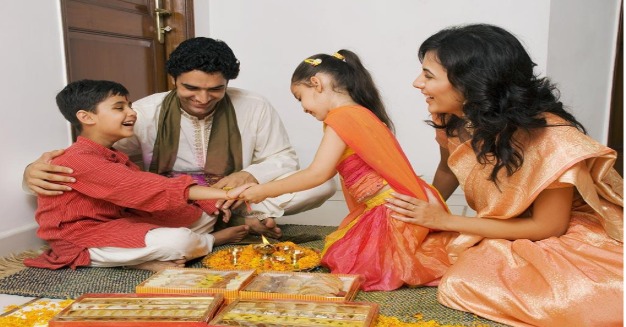
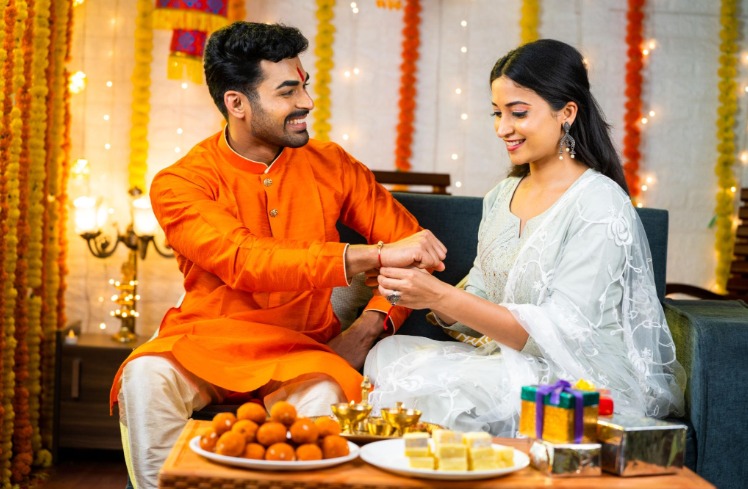
The sister traditionally ties the Rakhi on her brother’s right wrist while praying for his long life, good health, happiness, success, and protection. The brother accepts the Rakhi as a symbol of their sacred relationship and promises to support and protect his sister.
Today, the tradition has expanded beyond biological siblings. Rakhis may also be exchanged between sisters, cousins, close friends, Gurus and disciples, or individuals who share a meaningful bond.
Tilak, Aarti, Mantras, and Gifts
The Tilak represents auspiciousness and blessings, while Aarti is performed to invoke divine protection and positive energy. Mantra chanting adds a spiritual dimension to the celebration.
Commonly chanted mantras include:
- Om Gam Ganapataye Namah
- Om Namo Narayanaya
- Om Namah Shivaya
- Om Shreem Mahalakshmyai Namah
- Gayatri Mantra
After the ceremony, the brother traditionally gives a gift to his sister as an expression of love and gratitude. At Veda Gayathri, devotees are encouraged to perform these rituals with sincere devotion rather than focusing only on material celebrations.
6. Raksha Bandhan Fasting, Foods, and Charity
Fasting Rules
Fasting on Raksha Bandhan is optional and depends on individual family traditions, health conditions, and personal devotion. Some devotees observe a simple fast until the Puja, while others consume fruits, milk, or light vegetarian food.
Those who observe fasting should consider their health and follow their family customs. The spiritual purpose of fasting is to cultivate discipline, devotion, purity, and mindfulness.
Veda Gayathri encourages devotees to observe fasting according to their traditions and personal capacity while focusing on prayer and spiritual awareness.
Naivedyam and Traditional Foods
Food plays an important role in Raksha Bandhan celebrations. Devotees prepare sweets and traditional dishes as Naivedyam and later share them with family members.
Popular offerings may include:
- Laddu
- Kheer
- Payasam
- Peda
- Barfi
- Puran Poli
- Fruits
- Panchamrit
Sweets symbolize happiness and the sweetness of relationships. At Veda Gayathri, devotees are encouraged to offer fresh and lovingly prepared Naivedyam with devotion before sharing it as Prasadam.
Charity and Annadanam
Raksha Bandhan is also an ideal occasion to practice Seva and charity. Devotees may donate food, clothes, fruits, or essential items to people in need.
Annadanam, or food donation, is considered a noble form of service in Hindu traditions. Feeding the poor, helping elderly people, supporting children, and caring for animals are meaningful ways to celebrate the spirit of compassion.
Veda Gayathri encourages devotees to combine family celebrations with acts of charity and selfless service, making Raksha Bandhan spiritually meaningful.
7. Raksha Bandhan Celebrations and Dos & Don’ts
Celebrations Across India
Raksha Bandhan is celebrated across India with different regional customs and traditions. Families come together to perform Puja, tie Rakhis, exchange gifts, share sweets, and seek blessings from elders.
In many regions, the festival is also connected with traditions involving Gurus, priests, soldiers, and community members. Women may tie Rakhis to soldiers as a gesture of gratitude for their service and protection.
At Veda Gayathri, the universal message of Raksha Bandhan is celebrated through love, Dharma, family unity, and devotion to the Divine.
Auspicious Practices
Some meaningful practices for Raksha Bandhan include:
- Taking a bath and wearing clean clothes.
- Cleaning and decorating the Puja area.
- Worshipping Lord Ganesha and family deities.
- Tying Rakhi during an auspicious Muhurat.
- Chanting sacred mantras.
- Seeking blessings from elders.
- Performing charity and Annadanam.
- Sharing Prasadam with family.
- Maintaining love, respect, and harmony.
Veda Gayathri encourages devotees to perform these practices with faith and sincerity.
Things to Avoid
Devotees should avoid tying Rakhi during Bhadra Kaal and should follow the appropriate Muhurat according to their local Panchang.
It is also advisable to avoid arguments, negative thoughts, disrespect toward elders, and unnecessary conflicts on this auspicious day. Raksha Bandhan should be celebrated with peace, gratitude, love, and spiritual awareness.
At Veda Gayathri, devotees are encouraged to focus on the positive spiritual values of Raksha Bandhan and celebrate the festival with devotion and harmony.
8. Raksha Bandhan 2026 FAQs and Conclusion
Frequently Asked Questions
When is Raksha Bandhan 2026?
Raksha Bandhan 2026 will be celebrated on Friday, 28 August 2026, on Shravana Purnima.
Why is Rakhi tied?
Rakhi symbolizes love, protection, responsibility, blessings, and family unity.
Can sisters tie Rakhi to sisters?
Yes. Today, Raksha Bandhan can be celebrated between sisters, cousins, friends, and other meaningful relationships based on love and mutual respect.
Can married women celebrate Raksha Bandhan?
Yes. Marriage does not change the sacred bond between siblings. Married women can continue to celebrate Raksha Bandhan with their brothers.
Can Rakhi be tied after Bhadra?
Yes. Traditionally, Rakhi should be tied after Bhadra ends and during the recommended auspicious Muhurat.
Which deities are worshipped on Raksha Bandhan?
Depending on family traditions, devotees may worship Lord Ganesha, Lord Vishnu, Goddess Lakshmi, Lord Shiva, Lord Krishna, and their family deity.
Can Raksha Bandhan be celebrated at home?
Yes. Families can perform a simple Raksha Bandhan Puja at home with devotion, prayers, Rakhi, Tilak, Aarti, sweets, and blessings.
Celebrate Raksha Bandhan with Veda Gayathri
Raksha Bandhan is a beautiful celebration of love, protection, family unity, and Dharma. By combining traditional rituals with sincere prayers, charity, and devotion, devotees can experience the deeper spiritual meaning of this sacred festival.
At Veda Gayathri, devotees can seek guidance for authentic Vedic rituals and spiritual services, including Raksha Bandhan Puja, Ganapathi Homam, Rudrabhishekam, Navagraha Puja, Lakshmi Kubera Homam, Maha Mrityunjaya Homam, and Satyanarayana Swamy Vratham.
Conclusion
Raksha Bandhan is much more than tying a sacred thread. It is a celebration of love, trust, protection, gratitude, and the eternal values of Sanatana Dharma. The Raksha Sutra reminds us to care for our loved ones, uphold Dharma, respect family relationships, and seek the blessings of the Divine.
Celebrate Raksha Bandhan 2026 with love in your heart, devotion in your prayers, and gratitude toward your family. May the sacred Raksha Sutra bring divine protection, good health, prosperity, happiness, family harmony, and spiritual growth.
Veda Gayathri wishes you and your family a blessed and joyful Raksha Bandhan 2026!
