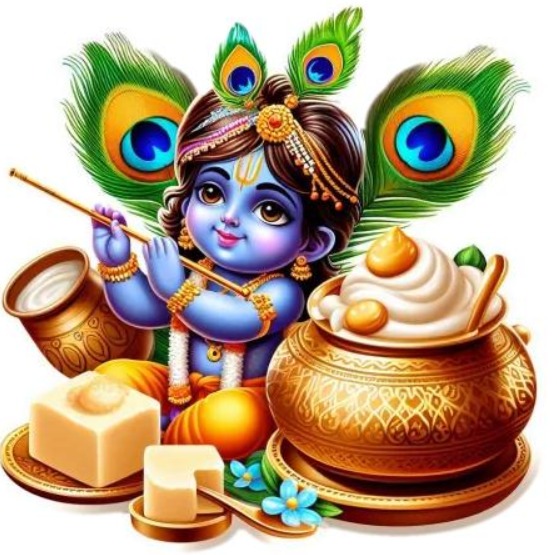
Sri Krishna Janmashtami 2026
Sri Krishna Janmashtami is one of the most important Hindu festivals celebrated in India and by devotees of Lord Krishna across the world. The festival marks the divine birth of Lord Krishna, who is worshipped as an incarnation of Lord Vishnu. Sri Krishna Janmashtami will be celebrated on Friday, September 4, 2026.
Sri Krishna Janmashtami is celebrated with great devotion, fasting, prayers, bhajans, temple visits, and special Krishna Janmashtami Puja. Devotees remember the teachings and divine life of Lord Krishna and seek his blessings for peace, happiness, prosperity, and spiritual strength.
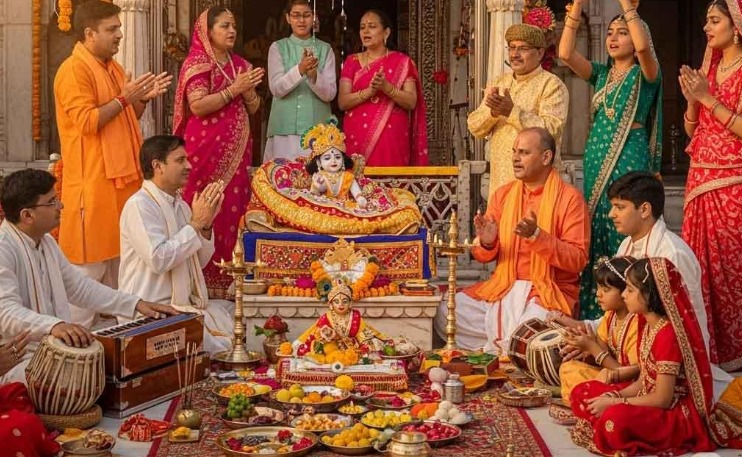
In 2026, devotees will once again celebrate Janmashtami with traditional rituals and devotional activities. Families decorate their homes, prepare special offerings, sing Krishna bhajans, and perform puja at midnight, which is traditionally considered the time of Lord Krishna’s birth.
At Veda Gayathri, devotees can learn about traditional Hindu pujas and spiritual practices performed with devotion and proper rituals.
What is Sri Krishna Janmashtami?
Sri Krishna Janmashtami is the festival celebrating the birth of Lord Krishna. According to Hindu tradition, Krishna was born on Ashtami Tithi, the eighth day of the Krishna Paksha of the month of Shravana or Bhadrapada, depending on the regional calendar followed.
Lord Krishna was born in Mathura to Devaki and Vasudeva. His birth took place at midnight while the kingdom was under the rule of King Kamsa.
Kamsa had been warned that the eighth child of his sister Devaki would become the cause of his downfall. Because of this fear, Devaki and Vasudeva were imprisoned.
When Krishna was born, Vasudeva carried the infant Krishna across the Yamuna River and took him to Gokul. Krishna was then raised by Nanda Maharaja and Yashoda.
This story is remembered during Janmashtami as a symbol of divine protection and the victory of good over evil.
Sri Krishna Janmashtami 2026 Date and Importance
Sri Krishna Janmashtami is observed according to the Hindu lunar calendar. The exact date and puja timings can vary depending on the location and Panchangam being followed.
For Sri Krishna Janmashtami 2026, devotees should check their local Panchangam for the exact Janmashtami date, Nishita Kaal, Ashtami Tithi and Rohini Nakshatra timings.
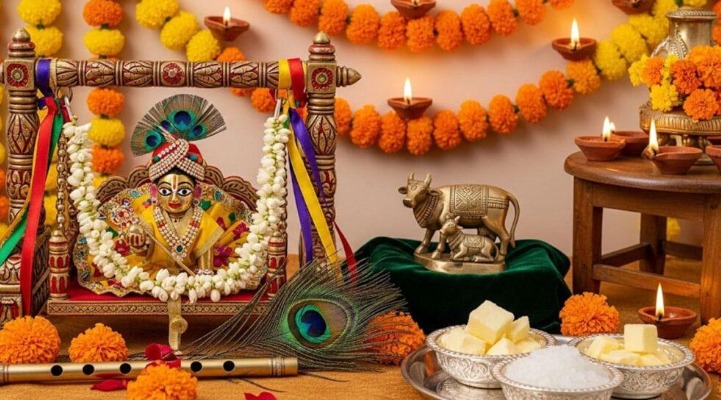
The midnight period is especially important because Lord Krishna is traditionally believed to have been born at midnight.
Devotees often remain awake until midnight and perform special prayers when the birth celebration begins.
For Veda Gayathri devotees, following the appropriate Panchangam and traditional procedure helps ensure that the Krishna Janmashtami Puja is performed at the appropriate time.
Why is Lord Krishna Worshipped on Janmashtami?
Lord Krishna is one of the most loved and worshipped deities in Hindu tradition. He is known for his wisdom, compassion, courage, intelligence, and divine teachings.
Krishna’s teachings in the Bhagavad Gita continue to guide people in their personal and spiritual lives.
He taught the importance of performing one’s duties without being overly attached to the results. His teachings also explain the value of devotion, righteousness, self-control, and faith.
During Janmashtami, devotees worship Krishna to express their devotion and seek his blessings for:
- Peace and happiness
- Family harmony
- Spiritual growth
- Protection from negative influences
- Strength during difficult situations
- Prosperity and well-being
- Wisdom and positive thinking
The Story Behind Sri Krishna Janmashtami
The story of Krishna’s birth is one of the most important stories in Hindu tradition.
King Kamsa ruled Mathura and was known for his cruel behaviour. A divine prediction informed him that Devaki’s eighth child would bring an end to his rule.
Kamsa imprisoned Devaki and Vasudeva and kept watch over their children. However, when Krishna was born, divine events allowed Vasudeva to safely take the newborn child to Gokul.
The Yamuna River is believed to have made way for Vasudeva. He reached Gokul and placed Krishna in the care of Yashoda.
Krishna later grew up in Gokul and Vrindavan, where many stories of his childhood became an important part of Hindu devotional tradition.
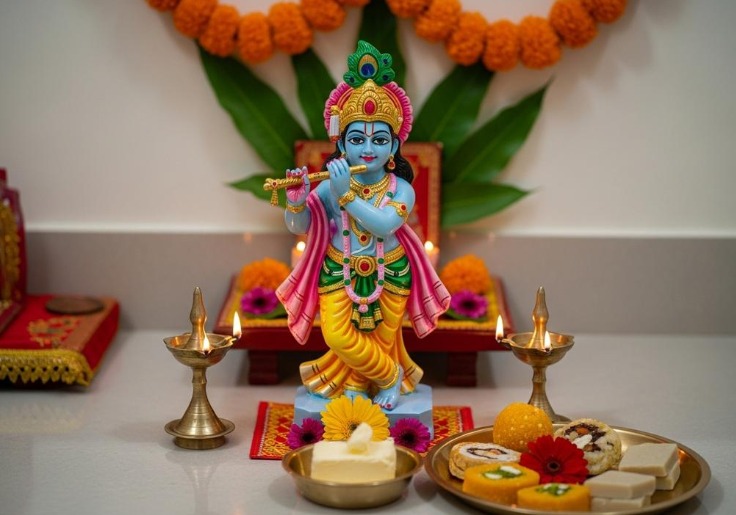
His childhood stories include his playful activities with the Gopikas, his love for butter, his friendship with the people of Vrindavan, and his battles against forces of evil.
Significance of Sri Krishna Janmashtami
Sri Krishna Janmashtami is not only a celebration of Lord Krishna’s birth. It is also a reminder of the importance of dharma and righteousness.
Lord Krishna’s life teaches devotees that difficulties may arise, but truth and righteousness should always be followed.
The festival also encourages people to develop qualities such as love, kindness, courage, patience, devotion, and wisdom.
For many families, Janmashtami is a time to come together and participate in prayers and devotional activities.
The festival creates a spiritual atmosphere in homes and temples through chanting, bhajans, decorations, and Krishna worship.
How is Sri Krishna Janmashtami Celebrated?
Sri Krishna Janmashtami is celebrated differently across various regions of India. However, the central theme remains the same: devotion to Lord Krishna and celebration of his divine birth.
Common Janmashtami celebrations include:
- Fasting during the day
- Decorating Krishna idols
- Preparing special naivedyam
- Singing devotional songs
- Chanting Krishna mantras
- Reading stories about Krishna
- Visiting Krishna temples
- Performing Krishna Puja
- Celebrating Krishna’s birth at midnight
- Breaking Dahi Handi in some regions
Many devotees decorate their homes with flowers, lamps, rangoli, and Krishna-themed decorations.
Some families also create tiny footprints from the entrance of the house to the puja room. These footprints symbolically represent baby Krishna entering the home.
Sri Krishna Janmashtami Puja at Home
Devotees can perform a simple Krishna Puja at home with devotion and cleanliness.
Before starting the puja, the puja area should be cleaned and decorated. A picture or idol of Lord Krishna can be placed on a clean platform.
The following items are commonly used for the puja:
- Lord Krishna idol or picture
- Flowers
- Tulsi leaves
- Fruits
- Milk
- Curd
- Butter
- Honey
- Ghee
- Incense sticks
- Diyas
- Sandalwood paste
- Kumkum
- Akshata
- Naivedyam
Devotees can begin the puja with prayers to Lord Ganesha and then worship Lord Krishna with devotion.
The idol may be offered water or Panchamrita as part of the traditional Abhishekam. Flowers and Tulsi leaves can then be offered.
At midnight, devotees celebrate the birth of Krishna by performing Krishna Janmashtami Puja, offering naivedyam and singing devotional songs.
Krishna Janmashtami Fasting
Fasting is an important part of Janmashtami for many devotees.
Some devotees observe a complete fast, while others follow a fasting diet based on fruits, milk, or specific permitted foods.
The method of fasting can vary according to family traditions, regional customs, and individual practices.
Many devotees observe the fast until midnight and break it after completing the Krishna Janmashtami birth celebration and puja.
People who are unable to fast can participate in the festival through prayers, chanting, meditation, temple visits, and devotional activities.
The purpose of fasting is not simply to avoid food. It is traditionally considered a way to focus the mind on devotion and spiritual practices.
Krishna Janmashtami Puja Samagri
Preparing the required puja items in advance makes the Janmashtami celebration more organised.
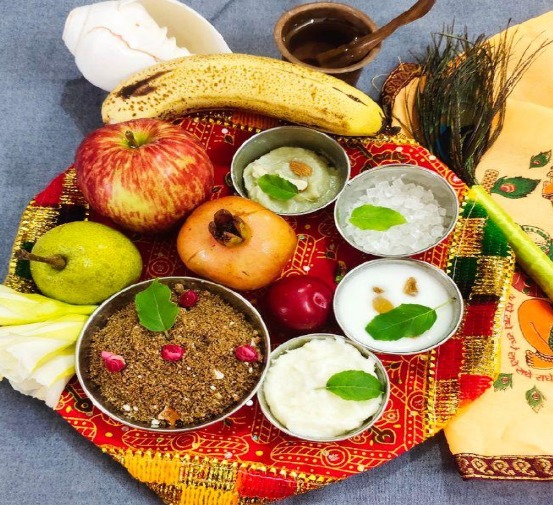
Common Krishna Janmashtami Puja Samagri includes flowers, Tulsi leaves, fruits, milk, curd, butter, honey, ghee, sandalwood paste, kumkum, akshata, incense sticks, lamps, and naivedyam.
A small Krishna idol can be placed in a decorated cradle or swing.
Many families prepare traditional sweets and food items as offerings to Lord Krishna.
Butter and milk-based offerings are especially associated with Krishna’s childhood stories.
Importance of Tulsi in Krishna Worship
Tulsi is considered especially sacred in Vaishnava traditions and is commonly offered to Lord Krishna.
Devotees traditionally include Tulsi leaves while offering food and other naivedyam to Krishna.
Tulsi is also associated with devotion and purity. Offering Tulsi with sincere devotion is considered an important part of Krishna worship.
When preparing for Janmashtami, devotees can keep fresh Tulsi leaves ready for the puja.
Krishna Janmashtami Decorations at Home
Decorating the home is a popular part of Janmashtami celebrations.
Devotees can decorate their puja area using flowers, diyas, rangoli, torans, and traditional decorative items.
A small cradle decorated with flowers can be used for the Krishna idol.
Another popular tradition is creating small Krishna footprints from the entrance toward the puja room. These footprints represent baby Krishna entering the home.
Families can also create a small Gokul or Vrindavan-themed display with Krishna, cows, Gopikas, and other traditional elements.
Simple decorations combined with sincere devotion can make the celebration spiritually meaningful.
Krishna Janmashtami Bhajans and Mantras
Devotional songs and Krishna mantras are an important part of Janmashtami celebrations.
Families may chant Krishna’s names and sing bhajans before and after the midnight puja.
Common devotional practices include chanting:
“Hare Krishna, Hare Krishna, Krishna Krishna, Hare Hare
Hare Rama, Hare Rama, Rama Rama, Hare Hare.”
Devotees may also recite verses from the Bhagavad Gita or listen to stories describing Krishna’s life and teachings.
The main purpose of chanting is to remember Lord Krishna with devotion and create a peaceful spiritual atmosphere.
Krishna Janmashtami Midnight Celebration
The midnight celebration is one of the most important moments of Janmashtami.
According to tradition, Lord Krishna was born at midnight. Therefore, devotees wait for the Nishita period to perform the special birth celebration.
The celebration may include:
- Krishna Abhishekam
- Offering flowers
- Offering Tulsi
- Lighting lamps
- Performing aarti
- Offering naivedyam
- Singing Krishna bhajans
- Chanting Krishna’s names
- Placing Krishna in a decorated cradle
After the puja, devotees receive prasadam and conclude or break their fast according to their tradition.
Krishna Janmashtami Celebrations at Temples
Temples dedicated to Lord Krishna organise special celebrations during Janmashtami.
The temple may be decorated with flowers and lights. Special Abhishekam, Alankaram, Archana, Bhajans, and Aarti are performed.
Devotees visit temples to offer prayers and participate in the midnight celebration.
Some temples organise cultural programmes, devotional music, Krishna Leela performances, and processions.
The atmosphere becomes especially devotional during the midnight birth celebration.
Dahi Handi and Krishna Janmashtami
Dahi Handi is a popular Janmashtami tradition, particularly in Maharashtra and several other parts of India.
The tradition is connected with stories of young Krishna and his friends stealing butter and curd from homes.
A pot containing curd or other offerings is placed at a height. Groups of participants form a human pyramid to reach and break the pot.
Dahi Handi has become both a cultural and community celebration associated with Krishna’s playful childhood.
While Dahi Handi is popular in some regions, other regions focus more on fasting, puja, bhajans, temple visits, and midnight celebrations.
Spiritual Message of Lord Krishna
The life and teachings of Lord Krishna provide many lessons that remain relevant today.
Krishna teaches the importance of doing one’s duty sincerely. His teachings encourage people to remain balanced during success and failure.
His message in the Bhagavad Gita highlights the importance of Dharma, Karma and Bhakti.
Janmashtami gives devotees an opportunity to remember these teachings and apply them in daily life.
The festival reminds us that spirituality is not limited to rituals. It also includes kindness, responsibility, truthfulness, devotion, and compassion toward others.
Why Perform Krishna Puja with Veda Gayathri?
For devotees who wish to perform traditional Hindu pujas with proper guidance, Veda Gayathri provides spiritual and devotional services based on traditional practices.
Krishna Janmashtami is an important occasion to seek the blessings of Lord Krishna and spend time in prayer with family.
A properly conducted puja can help devotees participate in the festival with greater devotion and understanding of the traditional rituals.
Veda Gayathri focuses on conducting spiritual ceremonies with attention to traditional procedures and devotional practices.
Devotees can choose the appropriate puja or spiritual service according to their family traditions and requirements.
Benefits of Krishna Janmashtami Puja
Devotees perform Krishna Puja primarily as an expression of faith and devotion.
Traditionally, worshipping Lord Krishna is associated with seeking:
- Peace in the family
- Happiness and harmony
- Spiritual strength
- Wisdom and clarity
- Positive thoughts
- Protection and divine blessings
- Prosperity and well-being
- Stronger devotion
The most important aspect of any puja is sincere devotion and faith.
How to Prepare for Sri Krishna Janmashtami 2026
Devotees can begin preparing for Janmashtami a few days before the festival.
Clean the home and puja area, arrange the required samagri, prepare decorations, and decide on the type of puja you wish to perform.
If you are planning a special Krishna Janmashtami Puja, it is helpful to arrange the puja in advance and confirm the appropriate date and timings according to your local Panchangam.
Families can also plan devotional activities such as Bhagavad Gita reading, Krishna bhajans, children’s Krishna-themed activities, and temple visits.
Celebrate Sri Krishna Janmashtami with Veda Gayathri
Sri Krishna Janmashtami is a beautiful festival that brings families together through devotion, prayer, tradition, and celebration.
The festival reminds us of Lord Krishna’s divine birth and his timeless message of Dharma, devotion, and righteous action.
Whether you celebrate Janmashtami at home or participate in temple celebrations, the festival becomes more meaningful when it is observed with sincere faith and devotion.
Veda Gayathri helps devotees connect with traditional Hindu spiritual practices and celebrate important occasions through meaningful pujas and rituals.
This Sri Krishna Janmashtami 2026, take time to remember Lord Krishna, chant his name, offer your prayers, and seek his blessings for peace, happiness, prosperity, and spiritual Well-being.
Frequently Asked Questions About Sri Krishna Janmashtami 2026
When is Sri Krishna Janmashtami 2026?
Sri Krishna Janmashtami 2026 is observed according to the Hindu lunar calendar. The exact date and puja timings can vary by location, so devotees should follow their local Panchangam.
Why is Janmashtami celebrated?
Janmashtami celebrates the birth of Lord Krishna, who is traditionally regarded as an incarnation of Lord Vishnu.
Why is Krishna’s birth celebrated at midnight?
According to Hindu tradition, Lord Krishna was born at midnight. Therefore, devotees traditionally perform the main birth celebration during the Nishita period.
What can be offered to Lord Krishna on Janmashtami?
Devotees commonly offer fruits, milk, curd, butter, sweets, Panchamrita, Tulsi leaves, and other traditional naivedyam.
Can we perform Krishna Janmashtami Puja at home?
Yes. Devotees can perform Krishna Puja at home according to their family traditions. Those who want traditional guidance can also seek assistance from experienced priests and spiritual service providers such as Veda Gayathri.
What is the importance of Tulsi during Krishna Puja?
Tulsi is considered sacred in Vaishnava traditions and is commonly offered to Lord Krishna along with naivedyam and prayers.
What is the main message of Janmashtami?
The festival reminds devotees of Lord Krishna’s teachings about Dharma, devotion, duty, wisdom, and righteousness.