Vijayadashami 2026: Date, Significance, Puja, Celebrations and Spiritual Importance
Vijayadashami, also known as Dussehra, is one of the most important Hindu festivals celebrated across India. In 2026, devotees will once again observe this auspicious festival as a day that represents the victory of good over evil, righteousness over injustice, and truth over falsehood. Veda Gayathri brings devotees closer to Hindu spiritual traditions by sharing information about important festivals, pujas, vrathas, and religious practices.
For families looking to understand the spiritual meaning of Vijayadashami 2026, Veda Gayathri provides useful guidance about the festival, its traditions, puja practices, and devotional significance. Vijayadashami is not simply the final day of Navratri; it is also considered an auspicious occasion for beginning new activities, seeking divine blessings, and remembering the importance of dharma.
When Is Vijayadashami Celebrated in 2026?
Vijayadashami 2026 will be observed on Thursday, October 22, 2026, according to the Hindu calendar. Vijayadashami is celebrated on the Dashami Tithi, the tenth lunar day of the Shukla Paksha in the month of Ashwin.
Veda Gayathri recommends that devotees check their local Panchang for the exact Vijayadashami 2026 tithi, Dashami timings, and puja muhurat, because festival timings can vary slightly depending on geographical location and sunrise calculations.
The festival comes immediately after the nine days of Navratri and is therefore closely connected with the worship of Goddess Durga. Veda Gayathri explains that Vijayadashami represents the completion of a powerful period of devotion, prayer, discipline, and spiritual reflection.
Vijayadashami 2026 Date and Day
For devotees searching for the Vijayadashami date 2026, the festival falls on:
- Festival: Vijayadashami / Dussehra
- Year: 2026
- Date: Thursday, October 22, 2026
- Tithi: Dashami
- Month: Ashwin
- Paksha: Shukla Paksha
- Associated festival: Navratri
- Spiritual theme: Victory of good over evil
Veda Gayathri encourages devotees to follow their regional Panchang when planning religious activities because exact tithi timings and auspicious muhurats may differ by location.
What Is Vijayadashami?
Vijayadashami is formed from two meaningful concepts: Vijaya, meaning victory, and Dashami, referring to the tenth lunar day. The festival therefore symbolizes victory achieved on the Dashami Tithi.
Veda Gayathri highlights Vijayadashami as a festival that teaches an important spiritual lesson: negative qualities such as anger, arrogance, greed, jealousy, and hatred can be overcome through righteousness, devotion, wisdom, and self-discipline.
The festival is celebrated differently in different parts of India. Some communities focus on Lord Rama and the victory over Ravana, while others celebrate Goddess Durga’s victory over Mahishasura.
Vijayadashami and the Victory of Lord Rama Over Ravana
One of the best-known stories associated with Dussehra is the victory of Lord Rama over Ravana. According to the Ramayana tradition, Lord Rama fought Ravana after Sita Devi was taken to Lanka.
The battle represents the struggle between righteousness and unrighteousness. Lord Rama’s victory is remembered on Vijayadashami, while Ravana Dahan is performed in many regions as a symbolic representation of the destruction of evil.
Veda Gayathri encourages devotees to understand the deeper meaning behind this tradition. Ravana is not only remembered as an external villain; the story can also remind individuals to overcome qualities such as ego, anger, arrogance, and uncontrolled desires within themselves.
Vijayadashami and Goddess Durga
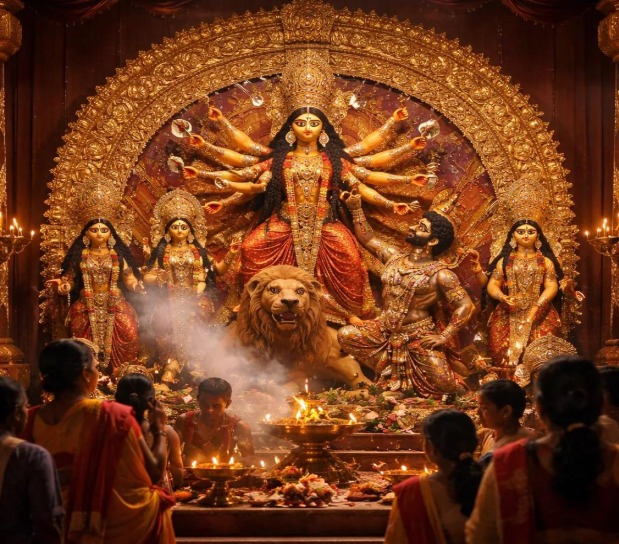
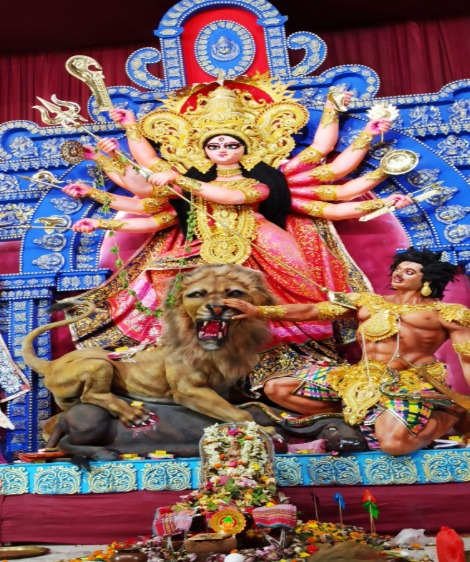
Vijayadashami is also strongly connected with Goddess Durga. According to Hindu tradition, Goddess Durga fought and defeated the buffalo demon Mahishasura, representing the victory of divine power over destructive forces.
The nine days of Navratri are dedicated to different forms of Goddess Durga, and Vijayadashami marks the culmination of this period of worship.
Veda Gayathri considers this connection especially meaningful for devotees who observe Navratri with fasting, prayers, Devi puja, chanting, and other spiritual practices.
Vijayadashami Puja 2026
Vijayadashami Puja 2026 can be performed according to family traditions and regional customs. Devotees generally clean the puja area, prepare the required items, light a lamp, invoke the chosen deity, offer flowers and fruits, perform prayers, and seek divine blessings.
Veda Gayathri recommends following the family’s traditional customs or consulting a knowledgeable priest when performing detailed rituals, especially when a specific puja requires particular mantras, timings, or procedures.
A simple Vijayadashami prayer can focus on gratitude, protection, wisdom, courage, and the removal of obstacles.
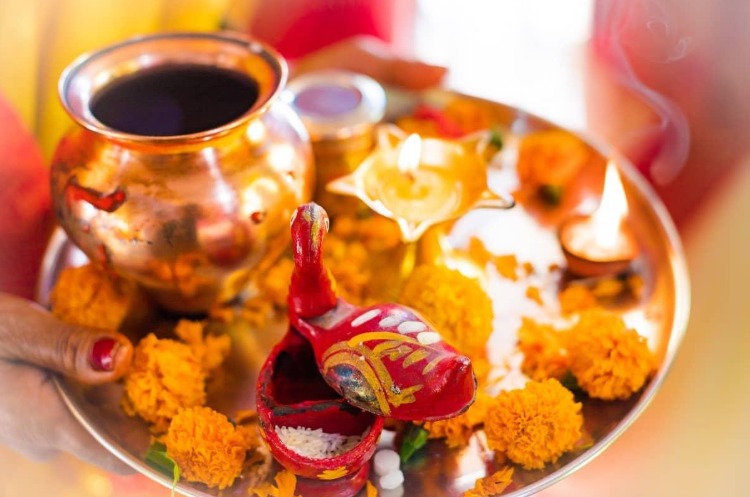
Vijayadashami Puja Items
The exact puja samagri can vary according to regional and family traditions. Commonly used items may include:
- Turmeric
- Kumkum
- Flowers
- Fruits
- Betel leaves
- Betel nuts
- Incense sticks
- Camphor
- Oil or ghee lamp
- Rice or Akshata
- Coconut
- Water
- Prasadam
- Panchamrit, where traditionally used
Veda Gayathri advises devotees to prepare puja materials according to the specific ritual being performed and to follow their family or regional traditions.
Ayudha Puja and Vijayadashami
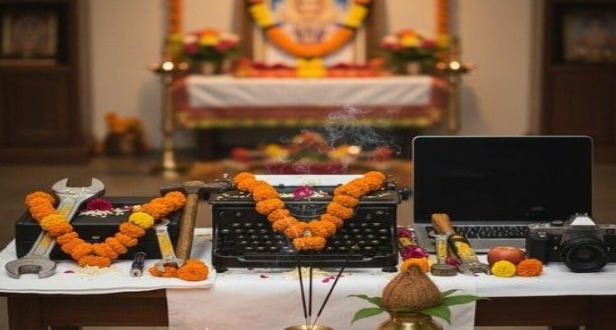
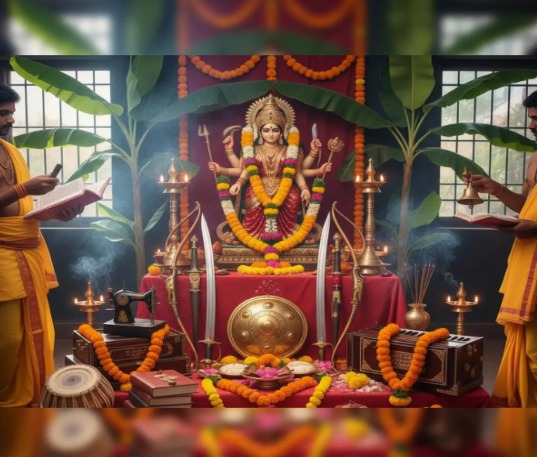
In several parts of South India, Vijayadashami is associated with Ayudha Puja and the worship of tools, books, instruments, vehicles, and professional equipment.
Workers, students, business owners, artists, engineers, farmers, and professionals may clean and worship the objects connected with their work. The practice expresses gratitude toward the tools and resources that support one’s livelihood.

Veda Gayathri highlights Ayudha Puja as a beautiful tradition that connects spirituality with everyday work. It reminds people to respect their profession, knowledge, skills, tools, and responsibilities.
Vidyarambham on Vijayadashami
Vijayadashami is considered an auspicious day for beginning education. In some regions, the traditional ceremony of Vidyarambham is performed for young children.
During Vidyarambham, children are introduced to letters and learning in the presence of elders, teachers, or priests. The ceremony symbolizes the beginning of a child’s educational journey.
Veda Gayathri encourages families to treat Vidyarambham as more than a formal ceremony. Education is traditionally regarded as a pathway toward knowledge, wisdom, discipline, and personal growth.
Why Is Vijayadashami Auspicious for New Beginnings?
Many people consider Vijayadashami an auspicious day to start something new. This belief is connected with the festival’s symbolism of victory, positive energy, and divine blessings.
People may choose Vijayadashami for beginning:
- Education
- New business activities
- Professional projects
- Spiritual practices
- Music or dance learning
- Property-related activities
- New ventures
- Cultural activities
Veda Gayathri suggests that while Vijayadashami is traditionally considered auspicious, individuals should also consider the appropriate muhurat and their family or regional Panchang when planning major ceremonies.
Vijayadashami Celebrations Across India
The celebration of Vijayadashami differs significantly across India. This diversity is one of the most beautiful aspects of the festival.
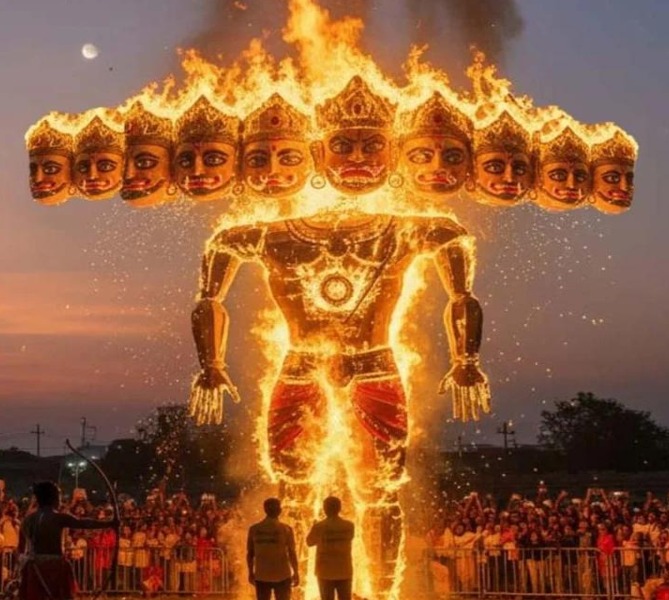
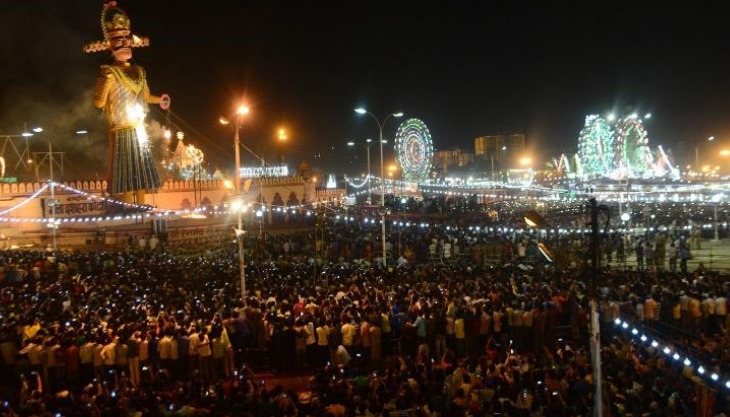
In North India, large effigies of Ravana, Kumbhakarna, and Meghanada are often displayed and burned during Ravana Dahan programs.
In West Bengal and parts of eastern India, Vijayadashami marks the conclusion of Durga Puja, with devotees offering farewell to Goddess Durga.
In Karnataka, Mysuru is famous for its grand Dasara celebrations.
In Telangana and Andhra Pradesh, Vijayadashami is celebrated with devotional activities, temple visits, family gatherings, cultural traditions, and prayers.
Veda Gayathri respects these regional differences and recognizes the common spiritual message connecting them.
Dussehra 2026 and Ravana Dahan
Ravana Dahan is one of the most recognizable Dussehra traditions. Large effigies are constructed and ceremonially burned to symbolize the destruction of evil.
Veda Gayathri explains that the burning of Ravana’s effigy can be viewed as a symbolic reminder to overcome inner negativity. The ceremony encourages people to think about which harmful habits they should leave behind.
The message of Ravana Dahan therefore goes beyond the physical burning of an effigy. It represents the importance of choosing truth, humility, responsibility, and righteousness.
Spiritual Meaning of Vijayadashami
The spiritual meaning of Vijayadashami is centered on victory, transformation, courage, and righteousness.
The festival encourages devotees to ask themselves:
- Am I living according to dharma?
- Can I control anger and negative emotions?
- Am I treating others with kindness?
- What habits should I change?
- How can I bring more positivity into my family?
- How can I strengthen my spiritual practice?
Veda Gayathri encourages this type of self-reflection because Hindu festivals are not only about external celebrations; they also provide opportunities for inner transformation.
Vijayadashami for Students
Students can observe Vijayadashami by praying for wisdom, concentration, discipline, and success in their education.
A student does not need to perform an elaborate ritual to appreciate the festival. Visiting a temple, offering prayers, respecting parents and teachers, and beginning a positive study routine can all become meaningful parts of the day.
Veda Gayathri encourages students and families to understand that the deeper purpose of worship is to develop good values along with knowledge.
Vijayadashami for Business and Professionals
Vijayadashami is traditionally considered an auspicious day for new beginnings, making it meaningful for business owners and professionals.
Business owners may perform puja for their office, equipment, documents, vehicles, or other work-related items. Professionals may seek blessings before starting a new project or venture.
Veda Gayathri can help devotees explore traditional Hindu pujas and spiritual practices associated with prosperity, success, protection, and new beginnings.
Vijayadashami and Vehicles
In many families, vehicles are cleaned and decorated during Ayudha Puja or Vijayadashami. Owners may perform a simple puja and seek blessings for safe journeys.
The practice is an expression of gratitude and respect toward the vehicle as an important part of everyday life.
Veda Gayathri encourages devotees to combine such traditions with practical responsibility, including safe driving and proper vehicle maintenance.
Vijayadashami Muhurat 2026
The Vijayadashami 2026 muhurat depends on the local sunrise, Dashami Tithi, and regional Panchang calculations.
For important ceremonies, devotees should check the Panchang applicable to their location rather than relying on a generic timing.
Veda Gayathri recommends consulting experienced priests or traditional Panchang sources for exact muhurat calculations when planning important religious ceremonies.
How to Celebrate Vijayadashami at Home
Families can celebrate Vijayadashami at home in a simple and devotional way.
A traditional home celebration may include:
- Cleaning the home and puja space.
- Taking a bath and wearing clean clothes.
- Setting up the puja area.
- Lighting a traditional lamp.
- Worshipping the chosen deity.
- Offering flowers, fruits, and prasadam.
- Reciting prayers or devotional verses.
- Seeking blessings from elders.
- Sharing prasadam with family.
- Spending time in peaceful reflection.
Veda Gayathri encourages families to adapt these practices according to their customs, traditions, and personal circumstances.
Vijayadashami Special Pujas
Some devotees may wish to perform special pujas during Navratri or Vijayadashami for specific spiritual purposes. Depending on one’s tradition, these may include Devi-related pujas, Durga worship, Ganapathi worship, Lakshmi worship, or other Hindu rituals.
Veda Gayathri offers information about traditional pujas and devotional services designed to help devotees connect with Hindu spiritual practices.
Those interested in performing a specific ritual can explore the Veda Gayathri website for additional information about available pujas, traditional procedures, and spiritual services.
Vijayadashami and Positive Energy
Vijayadashami is often associated with removing negativity and welcoming positive energy. The symbolism of victory encourages devotees to move away from destructive habits and focus on constructive thoughts.
Veda Gayathri believes that spiritual practices can become meaningful when they are accompanied by positive actions. Prayer, charity, gratitude, respect for elders, helping others, and maintaining harmony within the family can all contribute to a spiritually meaningful celebration.
Vijayadashami and Family Traditions
Festivals provide families with opportunities to spend time together. Vijayadashami can be used to teach children about Hindu mythology, traditions, values, and cultural practices.
Parents and grandparents can share stories about Lord Rama, Goddess Durga, Mahishasura, Ravana, and the significance of dharma.
Veda Gayathri encourages families to preserve these traditions while explaining their deeper values in a way that children can understand.
Vijayadashami Food and Prasadam
Food plays an important role in Hindu festivals. Families may prepare traditional sweets, snacks, fruits, and special meals during Vijayadashami.
Depending on regional customs, prasadam may include sweets such as laddus, payasam, pulihora, or other traditional dishes.
Veda Gayathri recommends preparing festival food according to family traditions and offering it to the deity before sharing it with family members and guests.
Vijayadashami Decoration Ideas
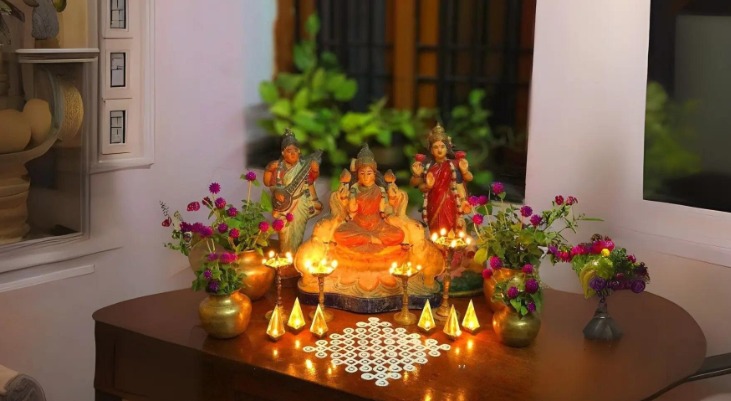
Homes can be decorated with flowers, mango leaves, rangoli, diyas, and traditional decorations during Vijayadashami.
A clean and decorated puja space creates a peaceful environment for prayer. Natural flowers and traditional lamps can also add beauty to the celebration.
Veda Gayathri encourages devotees to focus on devotion rather than expensive decorations. The spiritual intention behind the celebration is more important than the scale of the decoration.
Vijayadashami for Spiritual Growth
Vijayadashami can be viewed as a personal opportunity for spiritual growth. The victory celebrated on this day can inspire people to overcome their own weaknesses.
For example, a person may decide to reduce anger, improve discipline, stop harmful habits, become more patient, or spend more time in prayer.
Veda Gayathri encourages devotees to use festivals as opportunities for positive transformation rather than treating them only as calendar events.
Vijayadashami and the Message of Dharma
Dharma is one of the central ideas behind Vijayadashami. The victory of Lord Rama over Ravana and Goddess Durga over Mahishasura is traditionally understood as the triumph of righteousness over destructive forces.
Veda Gayathri explains that dharma can also be reflected in everyday actions—being truthful, respecting others, fulfilling responsibilities, helping those in need, and making ethical decisions.
What Should We Learn From Vijayadashami?
The festival offers several important lessons:
Good ultimately triumphs over evil: Vijayadashami reminds us that righteousness has lasting strength.
Knowledge is powerful: Wisdom helps people distinguish between right and wrong.
Ego can lead to downfall: The story of Ravana is often interpreted as a warning against excessive pride.
Courage is necessary: Difficult situations require strength and determination.
Devotion provides inner strength: Spiritual practices can help devotees remain focused and positive.
Veda Gayathri encourages everyone to carry these lessons beyond the festival and apply them in everyday life.
Why Choose Veda Gayathri for Hindu Pujas and Spiritual Services?
Veda Gayathri is dedicated to helping devotees connect with Hindu spiritual traditions through traditional pujas, homams, vrathas, and devotional practices.
For devotees who want to perform special pujas during Navratri, Vijayadashami, or other auspicious occasions, Veda Gayathri provides information about different traditional worship services.
Whether you are looking for information about Ganapathi Homam, Lakshmi Kubera Pooja, Navagraha Pooja, Rudrabhishekam, Chandi Homam, Satyanarayana Swamy Vratham, Shiva Abhishekam, or other Hindu spiritual practices, Veda Gayathri can help you understand their traditional significance and purpose.
Veda Gayathri’s goal is to make traditional Hindu spiritual practices easier for devotees to understand while preserving the values and customs associated with these sacred rituals.
Book Traditional Pujas with Veda Gayathri
If you are planning a special puja around Vijayadashami 2026, Navratri, or another auspicious occasion, Veda Gayathri can be explored for traditional Hindu puja and spiritual services.
Devotees may consider special pujas based on their spiritual needs, family traditions, and guidance from qualified priests. The right ritual can be selected after understanding its traditional purpose and procedure.
Veda Gayathri aims to provide devotees with a convenient way to learn about traditional Hindu rituals and connect with spiritual services.
Final Thoughts on Vijayadashami 2026
Vijayadashami 2026 is more than a festival marked by Ravana Dahan, decorations, pujas, and celebrations. It represents a timeless message—the victory of good over evil, truth over falsehood, knowledge over ignorance, and dharma over adharma.
Veda Gayathri encourages devotees to celebrate Vijayadashami with devotion, gratitude, family togetherness, and positive intentions. The festival can be an opportunity to leave behind negative habits and begin a new chapter with courage and faith.
As families prepare for Dussehra 2026, they can remember the deeper message of Vijayadashami and carry its values into everyday life. Through prayer, kindness, knowledge, discipline, and righteous action, the spirit of Vijayadashami can continue throughout the year.
For more information about Hindu festivals, traditional pujas, homams, vrathas, and spiritual services, devotees can explore Veda Gayathri and discover ways to make important religious occasions more meaningful.