Introduction
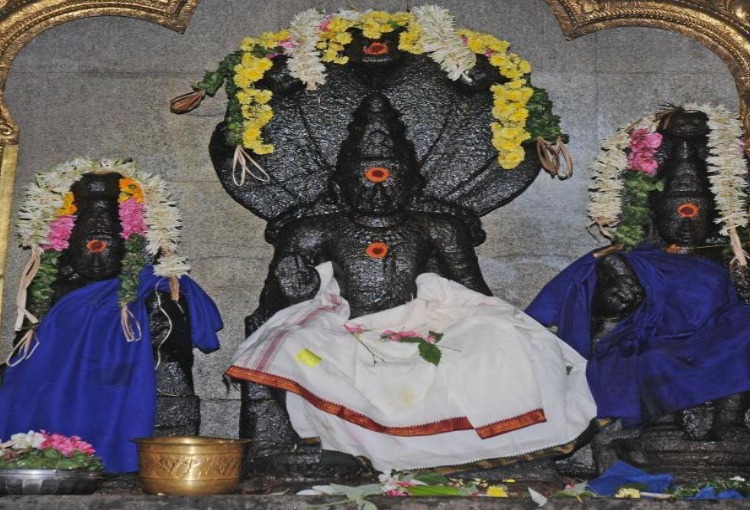
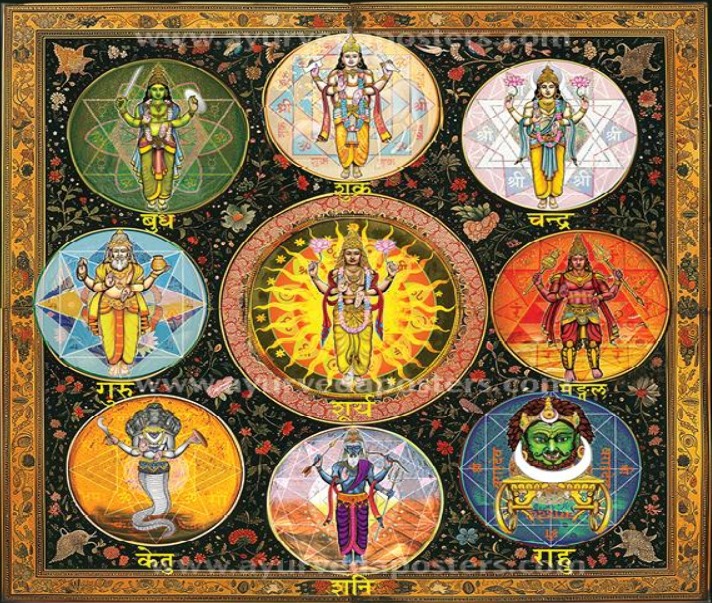
Navagraha Homam is a traditional Hindu fire ritual dedicated to the worship of the nine Navagrahas — Surya, Chandra, Mangala, Budha, Guru, Shukra, Shani, Rahu and Ketu. In Jyotisha traditions, these grahas are associated with different aspects of life and are considered when interpreting a person’s birth chart, planetary periods and transits. Navagraha worship is traditionally performed as a form of prayer seeking peace, balance and blessings from these celestial influences.
The word Navagraha means “nine grahas,” while Homam refers to a sacred fire ritual in which offerings are made into Agni along with the chanting of prescribed mantras. Navagraha Homam is also known as Navagraha Shanti Homam, Navagraha Homa or Graha Shanti Homam.
Many families traditionally consider Navagraha Homam when they are beginning an important phase of life, experiencing difficulties that they associate with planetary positions, or preparing for significant occasions such as marriage, housewarming or a new venture.
At Veda Gayathri, Navagraha Homam can be performed according to traditional Vedic practices with appropriate Sankalpam, planetary worship, sacred fire offerings and concluding prayers.
What Is Navagraha Homam?
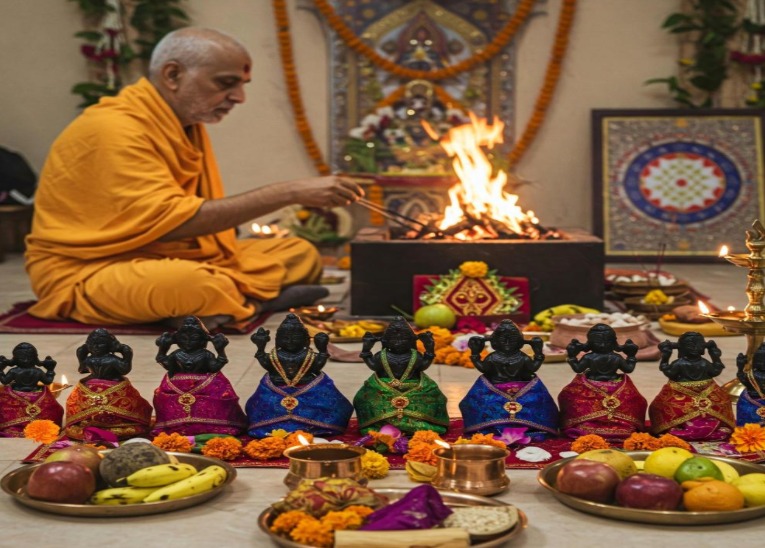
Navagraha Homam is a Vedic-style homa in which the nine grahas are invoked and worshipped through prayers, offerings and mantras. The central element of the ritual is the Homa Kundam, or sacred fire altar.
During the ceremony, the priest performs various preliminary rituals before invoking the Navagrahas. Offerings such as ghee, grains, herbs and other traditional materials may be offered into the sacred fire according to the specific ritual tradition.
The exact procedure can vary depending on the family tradition, region, sampradaya, purpose of the homam and the priest conducting the ceremony. Therefore, there is no single universal procedure followed everywhere.
Navagraha Homam is generally performed with the intention of:
- Seeking Navagraha blessings
- Performing Graha Shanti
- Praying for peace and harmony
- Seeking spiritual protection
- Beginning important activities with traditional prayers
- Addressing planetary concerns identified through Jyotisha
- Seeking strength and clarity during challenging periods
Who Are the Nine Navagrahas?
The nine grahas worshipped during Navagraha Puja and Homam are:
1. Surya – The Sun
Surya represents the Sun and is traditionally associated with vitality, authority, confidence and leadership.
In Hindu tradition, Surya is worshipped for strength, discipline, clarity and spiritual illumination.
2. Chandra – The Moon
Chandra represents the Moon and is traditionally associated with the mind, emotions, calmness and inner stability.
Moon worship is often included when devotees seek peace, emotional balance and mental steadiness.
3. Mangala – Mars
Mangala, also known as Kuja, represents Mars. It is traditionally associated with courage, energy, determination and action.
Mangala worship may be included in rituals connected with traditional concerns about Mars-related planetary influences.
4. Budha – Mercury
Budha represents Mercury and is associated in Jyotisha traditions with intelligence, communication, learning and analytical abilities.
Devotees may seek Budha’s blessings for clarity in communication, education and intellectual pursuits.
5. Guru – Jupiter
Guru, or Brihaspati, represents Jupiter and is traditionally associated with wisdom, knowledge, spirituality, prosperity and guidance.
Guru worship is often considered significant for students, teachers, families and those seeking knowledge and spiritual growth.
6. Shukra – Venus
Shukra represents Venus and is traditionally associated with relationships, beauty, comfort, creativity and material prosperity.
Shukra worship may be included when devotees seek harmony and blessings in areas traditionally connected with Venus.
7. Shani – Saturn
Shani represents Saturn and is traditionally associated with discipline, responsibility, patience and karma.
Shani worship is commonly performed when devotees wish to pray for strength, patience and stability during challenging planetary periods.
8. Rahu
Rahu is one of the two lunar nodes recognized in Jyotisha. It is traditionally associated with desires, uncertainty, sudden changes and unconventional experiences.
Rahu worship is included in Navagraha rituals to seek balance and spiritual steadiness.
9. Ketu
Ketu is the second lunar node and is traditionally associated with spirituality, detachment, introspection and liberation.
Ketu worship is performed as part of Navagraha rituals seeking clarity, inner awareness and spiritual growth.
The traditional Navagraha system includes seven visible celestial bodies along with Rahu and Ketu, which are treated as lunar nodes rather than physical planets.
Significance of Navagraha Homam
Navagraha Homam holds an important place in traditions involving Graha Shanti, or prayers intended to harmonize one’s relationship with planetary influences.
According to traditional beliefs, the positions of the Navagrahas in a person’s birth chart are considered while studying different periods and circumstances of life. When an astrologer identifies an unfavorable planetary placement or period, families may choose traditional remedies such as puja, homam, mantra recitation or charitable practices.
Navagraha Homam is therefore performed as a devotional practice to seek the grace and blessings of all nine grahas.
The ritual can also provide devotees with an opportunity to pray for:
- Peace and harmony
- Spiritual strength
- Stability during important life transitions
- Positive intentions
- Protection according to traditional belief
- Success in important undertakings
- Family well-being
- Mental calmness
- Guidance and clarity
These are traditional spiritual beliefs, and the homam should not be treated as a guaranteed solution for medical, financial, legal or other practical problems.
Why Do People Perform Navagraha Homam?
Families may perform Navagraha Homam for different traditional and devotional reasons.
For Graha Shanti
One of the most common purposes is Graha Shanti. Families may perform the homam when they believe that a planetary position or period requires traditional spiritual remedies.
During Challenging Planetary Periods
Some devotees choose Navagraha Homam during planetary periods or transits that are considered difficult according to their horoscope.
Before Important Life Events
Navagraha worship may be performed before significant milestones such as:
- Marriage
- Housewarming
- Starting a new business
- Beginning a new job
- Starting an educational journey
- Moving to a new city or country
- Beginning a major project
Navagraha Puja is traditionally performed in connection with milestones such as weddings, housewarmings and new ventures in some communities.
For Family Prayers
Some families perform Navagraha Homam as a collective prayer for peace, harmony and well-being.
Navagraha Homam and Astrology
Navagraha Homam is closely connected with Jyotisha, the traditional Hindu system of astrology.
A person’s birth chart is traditionally examined to understand the placement of the nine grahas in different houses, signs and planetary periods. Based on that interpretation, a practitioner may suggest particular devotional practices.
For example, depending on the horoscope and the tradition being followed, a priest or astrologer may recommend:
- Navagraha Puja
- Navagraha Homam
- Individual Graha Puja
- Mantra recitation
- Charity
- Temple worship
- Fasting or other traditional observances
The appropriate ritual can differ from person to person. A full Navagraha Homam is not necessarily required for every individual, and the exact recommendation should follow the family’s tradition and guidance from a qualified priest or Jyotisha practitioner.
When Is Navagraha Homam Performed?
The date and time for Navagraha Homam are generally selected according to the purpose of the ritual and the family’s religious tradition.
An astrologer or priest may examine the Panchangam, including factors such as:
- Tithi
- Nakshatra
- Vara
- Yoga
- Karana
- Muhurtham
Some traditions associate specific weekdays with individual grahas. For example, Sunday is traditionally associated with Surya, while Saturday is associated with Shani.
However, the ideal Muhurtham can vary according to the purpose of the ritual and the individual’s horoscope.
Therefore, it is advisable to consult a qualified priest when selecting the Muhurtham for a personalized Navagraha Homam.
Navagraha Homam Procedure
The exact procedure differs between traditions and regions, but a general Navagraha Homam may include the following stages.
1. Preparation of the Puja Area
The place where the homam is conducted is cleaned and prepared.
The Homa Kundam, puja materials, Navagraha representations and other required items are arranged before the ceremony begins.
2. Achamanam and Purification
The priest begins with traditional purification procedures and prayers.
The participants prepare themselves physically and mentally for the sacred ritual.
3. Ganapati Puja
Lord Ganesha is traditionally worshipped at the beginning of many Hindu rituals.
The purpose is to seek Ganesha’s blessings and pray for the smooth completion of the ceremony.
4. Sankalpam
The Sankalpam is the formal statement of intention for performing the ritual.
The priest may include details such as:
- Name of the person or family
- Gotra
- Nakshatra
- Rashi
- Purpose of the homam
- Date and place of the ceremony
The Sankalpam establishes the devotional purpose of the ceremony.
5. Kalasha Sthapana
A Kalasha may be prepared and consecrated as part of the ritual.
Traditional items such as water, mango leaves, coconut and other materials may be used depending on the procedure followed.
6. Invocation of the Navagrahas
The nine grahas are invoked individually or collectively according to the ritual tradition.
The priest offers prayers to Surya, Chandra, Mangala, Budha, Guru, Shukra, Shani, Rahu and Ketu.
7. Navagraha Puja
Each graha is worshipped using traditional offerings such as:
- Flowers
- Akshata
- Sandalwood
- Kumkum
- Incense
- Lamps
- Naivedyam
The exact offerings and arrangement can vary by tradition.
8. Agni Pratishtha
The sacred fire is prepared in the Homa Kundam.
Agni is invoked as an important part of the fire ritual, and the prescribed mantras are chanted by the priest.
9. Navagraha Homa Offerings
Offerings are made into the sacred fire while the relevant mantras are recited.
Depending on the tradition, offerings may include:
- Ghee
- Grains
- Herbs
- Samidhas
- Flowers
- Other prescribed Homa Dravyas
Different materials may be associated with individual grahas in specific traditions.
10. Graha Mantra Recitation
The priest chants the appropriate mantras dedicated to the Navagrahas.
Devotees may participate by listening, repeating selected prayers or maintaining a focused and devotional state of mind.
11. Purnahuti
Purnahuti is the concluding major offering into the sacred fire.
It represents the completion of the Homa and is an important part of many homa traditions.
12. Aarti and Prasad
After the fire ritual is completed, Aarti is performed.
The family receives blessings and Prasad, and the ceremony concludes with prayers for peace and well-being.
A general Navagraha Homa framework commonly includes Sankalpam, Ganapati worship, Kalasha-related rites, Navagraha invocation, fire offerings, Purnahuti and concluding prayers, although the exact sequence varies by tradition.
Navagraha Homam Samagri
The materials required for Navagraha Homam can vary depending on the priest and the specific tradition.
Commonly used items may include:
- Homa Kundam
- Ghee
- Samidhas
- Navadhanyam
- Flowers
- Fruits
- Coconut
- Betel leaves
- Betel nuts
- Turmeric
- Kumkum
- Sandalwood
- Akshata
- Camphor
- Incense sticks
- Lamps
- Kalasha
- Mango leaves
- Naivedyam
- Pujas cloths
- Sacred thread
- Other Homa Dravyas
Navadhanyam, or nine types of grains, is commonly associated with Navagraha worship in several ritual traditions.
The priest conducting the homam should provide the final list because the required materials may differ according to the particular paddhati being followed.
Traditional Benefits of Navagraha Homam
Navagraha Homam is traditionally believed to support devotees through prayer, devotion and Graha Shanti.
Commonly described spiritual benefits include:
Seeking Planetary Harmony
The primary purpose of the ritual is to seek harmony with the nine grahas through traditional worship.
Promoting Peace of Mind
Participating in prayer, mantra chanting and sacred rituals can provide devotees with a sense of calm and spiritual focus.
Seeking Removal of Obstacles
Some devotees perform Navagraha Homam when facing repeated obstacles that they traditionally associate with unfavorable planetary influences.
Supporting Important Life Transitions
Families may perform the homam before major changes such as marriage, moving into a new home, starting a business or beginning a new career.
Strengthening Spiritual Discipline
The ritual encourages prayer, concentration, devotion and participation in traditional practices.
Family Well-Being
Navagraha Homam can also be performed as a collective family prayer for peace, harmony and prosperity.
These benefits belong to the religious and traditional understanding of the ritual and should not be interpreted as guaranteed practical or medical outcomes.
Navagraha Homam for Marriage
Marriage is an important life milestone, and some families perform Navagraha Puja or Homam before marriage.
The ritual may be chosen when families wish to seek blessings for:
- Harmony between the couple
- A peaceful married life
- Family well-being
- Removal of traditional astrological concerns
- Auspicious beginnings
Depending on the horoscope, a priest or astrologer may recommend Navagraha Shanti along with other rituals.
For example, a marriage-related ritual plan could include Navagraha Puja along with Ganapati Puja, depending on family tradition.
Navagraha Homam for Housewarming
Navagraha worship may also be performed as part of preparations for Gruhapravesham.
When entering a new home, some families perform various rituals for purification, Vastu-related prayers and planetary blessings.
Navagraha Homam can be included when recommended as part of the family’s traditional housewarming ceremony.
The exact combination of rituals depends on the house, family tradition, Muhurtham and priest’s guidance.
Navagraha Homam for Career and Business
Starting a new business, accepting a new job or beginning an important professional project can be a major transition.
Some devotees choose Navagraha Homam before such occasions to seek:
- Clarity
- Confidence
- Stability
- Positive beginnings
- Removal of traditional planetary obstacles
- Blessings for the new venture
The homam can serve as a spiritual beginning while practical planning, professional skills and responsible decision-making remain essential.
Navagraha Homam for Students
Students and parents may also choose Navagraha Puja or Homam before important educational milestones.
The ritual may be performed with prayers for:
- Concentration
- Knowledge
- Confidence
- Academic progress
- Clarity
- Success in examinations
Students may also traditionally worship Saraswati Devi and perform Vidyarambham or other educational rituals according to family customs.
Navagraha Homam should be viewed as a spiritual practice alongside consistent study, preparation and disciplined effort.
Who Can Perform Navagraha Homam?
Navagraha Homam can be performed for:
- Individuals
- Couples
- Children
- Parents
- Elderly family members
- Entire families
- Business owners
- Students
- People beginning new ventures
The exact Sankalpam and purpose can be personalized according to the person or family.
A priest familiar with the relevant ritual tradition can determine the appropriate procedure and offerings.
Navagraha Homam at Home or Temple
Navagraha Homam can be conducted at a temple, home or other suitable sacred setting depending on the family’s preference and local practice.
At Home
A home homam allows family members to participate directly in the ritual.
The space should be clean, well-ventilated and suitable for safely maintaining the sacred fire.
At a Temple
Temple-based Navagraha rituals may provide a traditional setting with established puja arrangements and priestly guidance.
At a Puja Centre
Some families prefer a dedicated Vedic puja service where priests arrange the required materials and conduct the ritual.
At Veda Gayathri, families can discuss their requirements and the purpose of the ceremony before arranging the appropriate puja.
How to Prepare for Navagraha Homam
Proper preparation helps devotees participate peacefully in the ceremony.
Before the Ceremony
- Confirm the Muhurtham with the priest.
- Prepare the required puja materials.
- Clean the area where the ceremony will take place.
- Wear clean and traditional clothing.
- Follow any fasting or dietary instructions given by the priest.
- Keep the Sankalpam details ready.
- Inform family members about the ceremony timing.
During the Homam
- Maintain a peaceful environment.
- Listen carefully to the priest’s instructions.
- Participate in prayers when requested.
- Avoid unnecessary interruptions.
- Maintain devotion and concentration.
After the Homam
- Receive Prasad respectfully.
- Complete Aarti and concluding prayers.
- Follow any traditional charity or temple-visit practices recommended by the family priest.
How Long Does Navagraha Homam Take?
The duration depends on the number of rituals included, the number of participants and the tradition followed.
A simple Navagraha Puja may take around one to two hours, while a more elaborate homam can take longer. Some traditional guides describe a fuller Navagraha Homa as approximately 1.5 to 3 hours, although actual timing varies.
It is advisable to keep sufficient time available rather than scheduling another activity immediately after the ceremony.
Importance of the Priest in Navagraha Homam
Navagraha Homam involves several mantras, offerings and ritual procedures.
An experienced priest can help with:
- Selecting the appropriate procedure
- Performing Sankalpam
- Preparing the Homa Kundam
- Invoking the Navagrahas
- Chanting prescribed mantras
- Offering Homa Dravyas
- Performing Purnahuti
- Completing the concluding rituals
The procedure can differ significantly between regions and traditions, so the priest should follow the family’s chosen sampradaya or established ritual method.
Frequently Asked Questions About Navagraha Homam
What is Navagraha Homam?
Navagraha Homam is a traditional Hindu fire ritual dedicated to the nine grahas: Surya, Chandra, Mangala, Budha, Guru, Shukra, Shani, Rahu and Ketu.
Why is Navagraha Homam performed?
It is traditionally performed for Graha Shanti, spiritual well-being and to seek blessings from the nine grahas.
Can Navagraha Homam be performed at home?
Yes, it can be performed at home when the space and arrangements are suitable and a priest is available to conduct the ritual according to the relevant tradition.
Is Navagraha Homam performed before marriage?
Some families perform Navagraha Homam before marriage as part of traditional prayers for an auspicious beginning.
Can students perform Navagraha Homam?
Yes. Families may perform it for students as a devotional practice seeking blessings for education, concentration and progress.
How long does Navagraha Homam take?
The duration varies according to the procedure. A full homam may take several hours depending on the rituals included.
What materials are required?
Common materials include ghee, grains, flowers, fruits, coconut, sandalwood, kumkum, turmeric, Homa Dravyas and other items specified by the priest.
Is Navagraha Homam the same as Navagraha Puja?
They are related but not identical. Navagraha Puja primarily involves worship and offerings to the nine grahas, while Navagraha Homam includes a sacred fire ceremony with offerings made into Agni.
Should Navagraha Homam be performed based on a horoscope?
Some families choose the ritual based on astrological guidance, particularly when addressing a specific planetary concern. Others perform it as a general devotional observance.
Navagraha Homam at Veda Gayathri
At Veda Gayathri, traditional pujas and homams are approached with attention to the purpose and requirements of each family.
Navagraha Homam can be arranged for individuals, couples and families seeking traditional Graha Shanti prayers. The ceremony may include Sankalpam, Ganapati worship, Navagraha invocation, sacred fire offerings, mantra chanting, Purnahuti and concluding prayers according to the selected ritual tradition.
Whether you are planning Navagraha Homam for a marriage, housewarming, career beginning, family prayer or a specific astrological concern, the ceremony can be organized according to the appropriate Muhurtham and traditional requirements.
Conclusion
Navagraha Homam is a traditional Hindu fire ritual dedicated to the worship of the nine Navagrahas — Surya, Chandra, Mangala, Budha, Guru, Shukra, Shani, Rahu and Ketu. It combines prayer, mantra recitation, offerings and sacred fire worship as a devotional practice for seeking Graha Shanti, peace and blessings.
The ritual may be performed during important life milestones, before marriage or housewarming, during the beginning of a new venture, or when a family wishes to undertake traditional planetary worship based on Jyotisha guidance.
The exact procedure, Muhurtham, offerings and mantras can vary according to regional and family traditions. Therefore, consulting an experienced priest can help ensure that the ceremony is conducted appropriately.
For families looking to perform a traditional Navagraha Homam, Veda Gayathri can help arrange the ceremony according to the purpose, Muhurtham and customary Vedic procedures.