Introduction
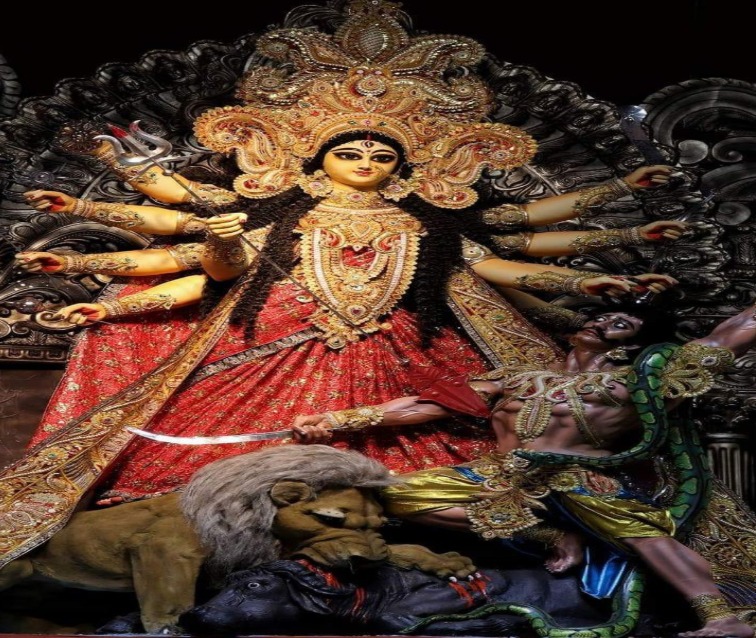
Durga Puja is one of the most significant Hindu festivals dedicated to Goddess Durga, the divine embodiment of strength, courage, protection and Shakti. The festival celebrates the victory of Goddess Durga over Mahishasura and symbolically represents the triumph of righteousness over destructive forces.
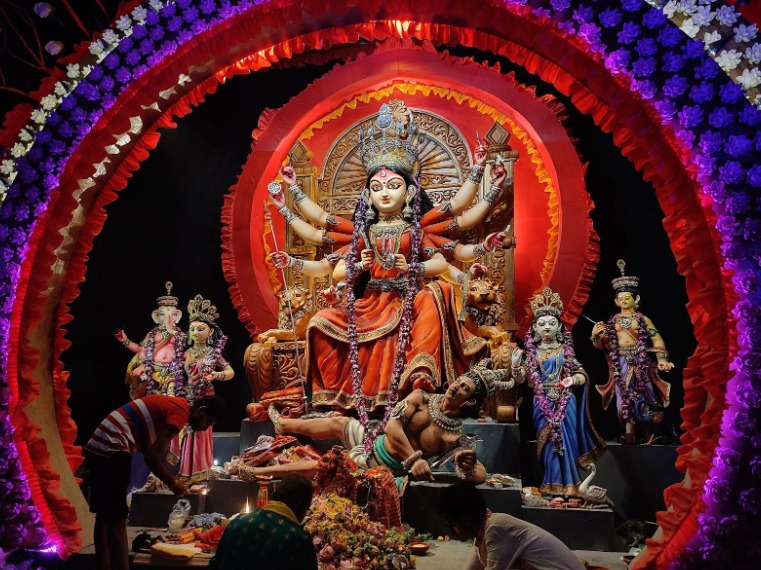
Durga Puja is celebrated with great devotion in different parts of India, particularly in West Bengal, Assam, Odisha, Tripura, Bihar and Jharkhand. The festival is also observed by Hindu communities across the world. Elaborate idols, beautifully decorated pandals, devotional music, prayers, cultural programs and community gatherings are important features of the celebration.
The festival is especially associated with Sharad Navaratri, with the main Durga Puja celebrations traditionally taking place over several days. The final day, Vijayadashami, is associated with the conclusion of the festivities and, in many communities, the immersion of the Durga idol.
For devotees seeking to observe traditional Hindu rituals, Veda Gayathri helps families conduct pujas and devotional ceremonies with appropriate rituals, mantras and traditional practices.
What Is Durga Puja?
Durga Puja is a Hindu festival and devotional worship dedicated to Goddess Durga.
The word Durga is traditionally associated with the divine power that protects devotees and helps overcome difficulties. During the festival, devotees worship Goddess Durga in various forms and offer flowers, fruits, sweets, incense, lamps and prayers.
Durga Puja may include:
- Kalasha Sthapana
- Sankalpam
- Ganapati Puja
- Devi Avahanam
- Durga Puja
- Mantra chanting
- Pushpanjali
- Naivedyam
- Aarti
- Durga Saptashati or Devi Mahatmya recitation
- Cultural celebrations
- Visarjan
The exact rituals vary according to regional customs, family traditions and the type of Durga Puja being performed.
Who Is Goddess Durga?
Goddess Durga is one of the most revered forms of Shakti, the divine feminine power in Hindu traditions.
She is commonly depicted riding a lion or tiger and carrying different weapons in her multiple hands. These symbolic representations are associated with divine strength and protection.
Goddess Durga is traditionally associated with:
- Strength
- Courage
- Protection
- Shakti
- Righteousness
- Victory over negativity
- Divine power
- Motherly compassion
The image of Goddess Durga defeating Mahishasura is one of the central themes of Durga Puja.
The Story Behind Durga Puja
One of the central stories associated with Durga Puja comes from the Devi Mahatmya, also known as the Durga Saptashati or Chandi.
According to the traditional narrative, the demon Mahishasura obtained powerful blessings and became difficult for the gods to defeat. His growing power created suffering and disturbed the cosmic order.
The divine powers of the gods came together to manifest Goddess Durga.
Goddess Durga, equipped with divine weapons and riding a lion, fought Mahishasura in a great battle. After an intense struggle, she defeated him.
This story is traditionally understood as a symbolic representation of:
- Good overcoming evil
- Dharma overcoming Adharma
- Courage overcoming fear
- Divine wisdom overcoming destructive forces
- Righteousness overcoming arrogance
The story is an important spiritual foundation of Durga Puja celebrations.
Significance of Durga Puja
Durga Puja has religious, cultural and social significance.
For devotees, it is a period of prayer, devotion and reflection. It is also a time when families and communities come together to celebrate their traditions.
The festival represents:
Victory of Dharma
The victory of Goddess Durga over Mahishasura represents the triumph of righteousness.
Power of Shakti
Durga Puja celebrates divine feminine power and the strength associated with Shakti.
Protection
Devotees traditionally pray to Goddess Durga for protection and courage.
Community
Durga Puja is also a major community celebration, particularly in eastern India.
Spiritual Renewal
The festival provides an opportunity for devotees to renew their faith and dedicate themselves to positive values.
When Is Durga Puja Celebrated?
Durga Puja is traditionally celebrated during the Shukla Paksha of the Hindu month of Ashwin, around the period of Sharad Navaratri.
The major celebrations generally extend across several days.
Important days associated with Durga Puja include:
- Mahalaya
- Shashthi
- Saptami
- Ashtami
- Navami
- Vijayadashami
The exact Gregorian dates change every year according to the Hindu lunar calendar.
Mahalaya and Durga Puja
Mahalaya traditionally marks an important beginning of the Durga Puja season.
It is associated with invoking Goddess Durga and the beginning of preparations for the major festival days.
Many devotees listen to devotional recitations and prayers associated with the Goddess on this day.
In Bengal, Mahalaya has a particularly strong cultural and devotional significance.
Shashthi – Beginning of Major Celebrations
Shashthi marks an important stage in traditional Durga Puja celebrations.
In many traditions, the Goddess is formally welcomed and invoked during the celebrations.
Rituals may include:
- Devi Avahanam
- Bodhan
- Adhivas
- Kalparambha
The precise rituals differ according to the regional tradition.
Saptami Puja
Saptami is another important day of Durga Puja.
Devotees perform elaborate worship and offer flowers, fruits, sweets and other Naivedyam.
In some traditions, Nabapatrika is an important ritual associated with Saptami.
The day is observed with prayers, devotional activities and community celebrations.
Maha Ashtami
Maha Ashtami is one of the most important days of Durga Puja.
Devotees gather for special prayers and Pushpanjali, in which flowers are offered to Goddess Durga while sacred mantras are recited.
Many families also perform special Devi worship and devotional activities on Ashtami.
Maha Navami
Navami marks another major day of the festival.
Special pujas and offerings are performed in honour of Goddess Durga.
In some traditions, Homa or Yajna is also performed as part of the Navami worship.
The day is associated with completing the major worship of the Goddess before Vijayadashami.
Vijayadashami
Vijayadashami marks the conclusion of the major Durga Puja celebrations.
The day is associated with the victory of Goddess Durga over Mahishasura.
In communities where Durga idols are installed temporarily, the festival traditionally concludes with Visarjan, or immersion of the idol.
The farewell is accompanied by prayers and devotional celebrations.
Durga Puja Procedure
The complete Durga Puja procedure can be extensive and varies according to regional traditions.
A general puja may include the following stages.
Step 1: Preparation of the Puja Area
The puja area is cleaned and decorated with flowers, leaves, lamps and other traditional decorations.
A special platform or altar is prepared for the Goddess.
Step 2: Kalasha Sthapana
A Kalasha may be prepared and placed as part of the ritual arrangement.
The Kalasha is traditionally associated with auspiciousness and divine presence.
Step 3: Ganapati Puja
Lord Ganesha is traditionally worshipped before the main puja.
Devotees seek blessings for an auspicious beginning.
Step 4: Sankalpam
The priest or devotee performs Sankalpam, stating the intention of the puja.
The Sankalpam may include details about the devotee, family, occasion and purpose of worship.
Step 5: Devi Avahanam
Goddess Durga is respectfully invoked through traditional mantras and prayers.
Step 6: Offering of Flowers
Flowers are offered to the Goddess with devotional prayers.
Red flowers are particularly associated with Shakti worship in many traditions.
Step 7: Mantra Chanting
Durga-related mantras and devotional prayers are recited.
The priest may also perform recitations from the Devi Mahatmya according to the tradition being followed.
Step 8: Naivedyam
Fruits, sweets and other food preparations are offered to Goddess Durga.
Step 9: Aarti
The ceremony concludes with Aarti, during which devotees offer a lighted lamp and sing devotional prayers.
Step 10: Prasadam
The offerings are distributed as Prasadam among devotees.
Durga Saptashati and Durga Puja
Durga Saptashati, also called Devi Mahatmya or Chandi, is an important sacred text associated with Goddess Durga.
It forms part of the Markandeya Purana and consists of 700 verses traditionally organized into 13 chapters.
The text describes manifestations of the Goddess and her battles against forces such as Madhu-Kaitabha, Mahishasura and Shumbha-Nishumbha.
Recitation of Durga Saptashati is an important devotional practice during Navaratri and Durga Puja in many traditions.
Important Mantras for Durga Puja
Devotees may recite different Durga mantras according to their tradition.
One widely known Navarna Mantra is:
Om Aim Hreem Kleem Chamundayai Vichche
Other prayers and hymns may also be recited during Durga Puja.
For elaborate ceremonies, the priest selects the appropriate mantras and recitations according to the ritual tradition.
Durga Puja Samagri
The exact Samagri required depends on the type of Durga Puja.
Common items may include:
- Goddess Durga idol or image
- Puja platform
- Red cloth
- Kalasha
- Coconut
- Mango leaves
- Flowers
- Durva
- Kumkum
- Turmeric
- Sandalwood
- Akshata
- Incense
- Camphor
- Diyas
- Ghee or oil
- Cotton wicks
- Fruits
- Sweets
- Coconut
- Betel leaves
- Betel nuts
- Naivedyam
- Panchamritam
- Sacred water
For elaborate Durga Puja, the priest may provide a detailed Samagri list.
Importance of Pushpanjali
Pushpanjali is one of the most recognizable parts of Durga Puja.
Devotees hold flowers in their hands while the priest recites sacred mantras. At the appropriate moment, the flowers are offered to Goddess Durga.
Pushpanjali represents:
- Devotion
- Surrender
- Gratitude
- Prayer
- Respect for the Goddess
Maha Ashtami Pushpanjali is particularly significant in many Durga Puja traditions.
Importance of Dhunuchi and Traditional Celebrations
In Bengali Durga Puja celebrations, Dhunuchi and devotional music are important cultural elements.
Dhunuchi is a traditional incense burner used during devotional rituals and dances.
Cultural programs, devotional songs, traditional music and community gatherings make Durga Puja both a religious and cultural celebration.
Durga Puja Pandals
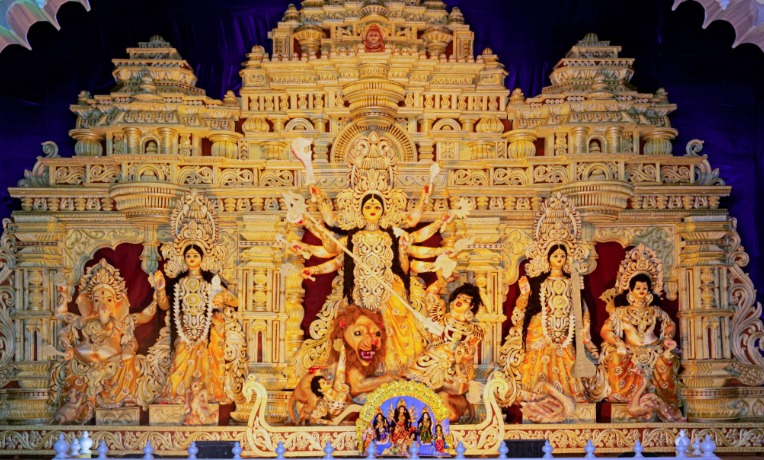
One of the most distinctive features of Durga Puja, especially in eastern India, is the construction of elaborate pandals.
A pandal is a temporary structure created to house the Goddess’s idol and provide a space for worship.
Pandals can feature:
- Traditional architecture
- Artistic themes
- Decorative lighting
- Floral decorations
- Cultural artwork
- Sculptural designs
Many communities spend months preparing their Durga Puja decorations.
Traditional Benefits of Durga Puja
According to Hindu devotional traditions, devotees associate Durga worship with prayers for:
- Courage
- Strength
- Protection
- Peace
- Confidence
- Removal of obstacles
- Family well-being
- Spiritual growth
- Positive energy
These are traditional religious beliefs and devotional intentions, not guaranteed material or personal outcomes.
The spiritual purpose of the festival is also to encourage devotion, courage, discipline and reflection on the values represented by Goddess Durga.
Durga Puja for Family Well-Being
Families may perform Durga Puja as a collective devotional practice.
Family members can participate by:
- Preparing the altar
- Decorating the puja space
- Offering flowers
- Reciting prayers
- Participating in Pushpanjali
- Performing Aarti
- Receiving Prasadam
The shared experience can strengthen family participation in cultural and religious traditions.
Durga Puja for New Beginnings
Devotees may seek the blessings of Goddess Durga before beginning important activities.
These may include:
- Starting a business
- Beginning a new project
- Moving to a new location
- Starting a new educational journey
- Beginning an important life phase
The puja provides a traditional setting for prayer and reflection before undertaking a new responsibility.
Durga Puja at Home
Durga Puja can be observed at home in a simple form or as a detailed ritual with a priest.
A home celebration may include:
- Cleaning the puja area
- Placing the Goddess’s image or idol
- Lighting diyas
- Offering flowers
- Chanting Durga Mantras
- Performing Naivedyam
- Reciting devotional prayers
- Performing Aarti
Families can follow their own traditions and consult a priest when performing elaborate rituals.
Durga Puja and Navaratri
Durga Puja and Navaratri are closely connected in many Hindu traditions.
During Navaratri, Goddess Durga and her different manifestations are worshipped over several days.
The nine nights are traditionally associated with different forms of Devi worship.
The tenth day, Vijayadashami, represents victory and the conclusion of the festival period.
Although practices differ regionally, both Navaratri and Durga Puja emphasize devotion to Shakti and the victory of dharma.
Durga Puja for Spiritual Well-Being
Beyond festival celebrations, Durga worship can provide an opportunity for spiritual reflection.
Devotees may use the occasion to reflect on:
- Courage during difficult circumstances
- The importance of righteousness
- Respect for divine feminine power
- Self-discipline
- Compassion
- Gratitude
- Faith
The story of Goddess Durga and Mahishasura can be understood as a symbolic reminder of the importance of confronting destructive tendencies and choosing righteous action.
How to Prepare for Durga Puja
Proper preparation helps devotees conduct the ceremony peacefully.
Clean the Home
Clean the puja room and surrounding areas before the ceremony.
Prepare the Altar
Arrange the Goddess’s idol or image on a clean and decorated platform.
Gather the Samagri
Keep flowers, fruits, lamps, incense, Naivedyam and other required items ready.
Prepare the Offerings
Fresh fruits, sweets and other traditional offerings can be prepared beforehand.
Wear Clean Traditional Clothing
Devotees may wear clean traditional clothing according to family customs.
Maintain a Devotional Environment
Keep the surroundings peaceful and participate in the ceremony with attention and devotion.
Durga Puja Through Veda Gayathri
Veda Gayathri helps devotees organize traditional Hindu pujas and ceremonies with appropriate rituals, mantras and devotional practices.
Durga Puja can be arranged for families and devotees who wish to observe the festival or perform Devi worship according to traditional practices.
Whether celebrated at home or as part of a larger community ceremony, Durga Puja provides an opportunity to come together in devotion and celebrate the power and grace of Goddess Durga.
Frequently Asked Questions About Durga Puja
What is Durga Puja?
Durga Puja is a Hindu festival dedicated to Goddess Durga and traditionally celebrates her victory over Mahishasura.
When is Durga Puja celebrated?
Durga Puja is traditionally celebrated during the Hindu month of Ashwin, around Sharad Navaratri. The exact dates change each year according to the Hindu lunar calendar.
What is the main purpose of Durga Puja?
The festival is primarily a devotional celebration of Goddess Durga and the victory of dharma over destructive forces.
What is Durga Saptashati?
Durga Saptashati, also known as Devi Mahatmya or Chandi, is a sacred text containing 700 verses describing manifestations and exploits of the Goddess.
What is Pushpanjali?
Pushpanjali is the devotional offering of flowers to Goddess Durga while sacred mantras are recited.
Can Durga Puja be performed at home?
Yes. Families can perform a simple Durga Puja at home according to their traditions. Elaborate rituals may be conducted by a priest.
Which flowers are offered to Goddess Durga?
Different traditions use different flowers. Red flowers are commonly associated with Devi worship.
What is Vijayadashami?
Vijayadashami is the tenth day associated with the victory of Goddess Durga and the conclusion of the major Durga Puja celebrations.
What is Durga Puja Visarjan?
In traditions where a temporary Durga idol is installed, Visarjan refers to the ceremonial immersion of the idol at the conclusion of the festival.
Conclusion
Durga Puja is a celebration of Goddess Durga, Shakti, devotion and the victory of dharma. From the powerful story of Mahishasura Mardini to the elaborate rituals of Pushpanjali, Aarti and Devi worship, the festival has deep religious and cultural significance.
The celebration brings families and communities together through prayer, traditional rituals, music, art and devotion. It also offers devotees an opportunity to reflect on courage, righteousness, strength and spiritual discipline.
Whether observed through a simple home puja or an elaborate community celebration, Durga Puja remains an important expression of devotion to Goddess Durga.
Veda Gayathri helps devotees conduct traditional Hindu pujas and ceremonies with appropriate rituals, mantras and devotional practices, making important religious occasions meaningful for families and communities.